Skip to content
Part 1: Market Size and Growth
Austria has a long history in glass production, supported by strong engineering traditions and strict environmental standards. The country’s glass bottle industry focuses on high-quality manufacturing rather than mass production. Many Austrian manufacturers specialize in premium packaging for beverages, pharmaceuticals, cosmetics, and gourmet food products.
Demand for glass bottles in Austria remains stable because glass is widely trusted for safety and sustainability. Wine, spirits, mineral water, and specialty beverages rely heavily on glass packaging. Food brands also choose glass containers because they protect flavor and allow consumers to see the product clearly. These advantages continue to support the growth of glass packaging demand across Europe.

Austria also benefits from its location in the center of Europe. Manufacturers can supply glass containers to nearby markets such as Germany, Italy, Switzerland, and Eastern Europe. Efficient logistics networks and strong manufacturing standards make Austrian glass bottles competitive in regional export markets. Investment in sustainable production and modern furnace technology continues to strengthen the industry.
Structure of the Austrian Glass Industry
The Austrian glass bottle sector is relatively concentrated, with a few major companies dominating production. These companies operate large glass furnaces and automated forming lines that produce millions of bottles each year.
Unlike some countries that focus mainly on low-cost mass production, Austrian manufacturers often focus on precision and premium packaging. Many factories work closely with beverage brands to create custom bottle shapes and embossed designs.
Glass production in Austria relies on stable access to raw materials such as silica sand, soda ash, and limestone. The country also has strong industrial infrastructure, including advanced machinery manufacturers and skilled technical workers.
Key Industries Driving Bottle Demand
The beverage industry remains the largest driver of glass bottle demand in Austria. Wine producers across the country rely on glass bottles for both domestic sales and export markets. Craft beer and premium spirits brands also prefer glass packaging because it enhances brand image.
Mineral water companies also contribute significantly to demand. Austria has several well-known natural spring water brands that package their products in glass bottles for premium retail markets and hospitality sectors.
The food industry is another major consumer of glass containers. Gourmet sauces, honey, fruit preserves, and specialty oils are commonly packaged in glass jars. These products target consumers who value high-quality ingredients and premium packaging.
Sustainability and Recycling Systems
Austria is known for its strong environmental policies and recycling systems. Glass packaging fits well within this framework because it can be recycled many times without losing quality.
The country operates efficient glass collection and recycling programs. Consumers separate glass containers by color and deposit them into recycling systems. The collected glass is then processed and reused in manufacturing.
Many Austrian glass factories use a high percentage of recycled glass in their production processes. This reduces energy consumption and lowers carbon emissions. Modern furnace technology also helps manufacturers improve efficiency while maintaining high product quality.
Sustainability certifications and environmental compliance have become important for glass manufacturers in Austria. These standards ensure responsible production practices and help companies meet the expectations of European customers and global brands.
Part 2: Leading Companies
Vetropack Austria
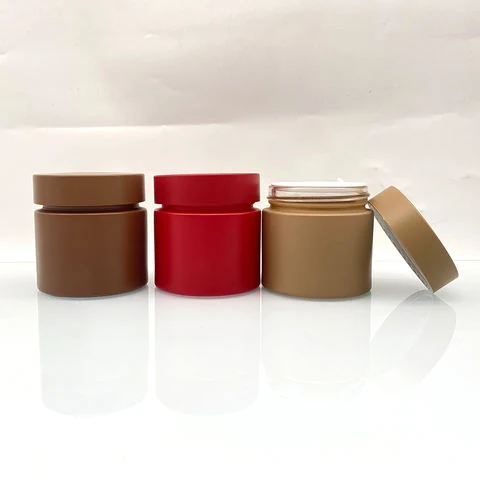
Vetropack Austria is one of the most important glass container manufacturers in the country. The company is part of the Vetropack Group, a European packaging producer with multiple production facilities across the continent. Its Austrian operations focus on high-quality glass bottles and jars for beverage and food industries.
The company produces a wide range of glass containers including beer bottles, wine bottles, mineral water bottles, and food jars. Modern production lines and automated inspection systems ensure consistent product quality and structural strength.
Vetropack Austria supplies packaging to beverage producers, food manufacturers, and retail brands. Many regional breweries and beverage companies rely on its bottles for both domestic distribution and export markets.
The company invests heavily in sustainability initiatives such as energy-efficient furnaces and increased recycled glass usage. It has received multiple international certifications related to quality management and environmental responsibility.
St?lzle Glass Group
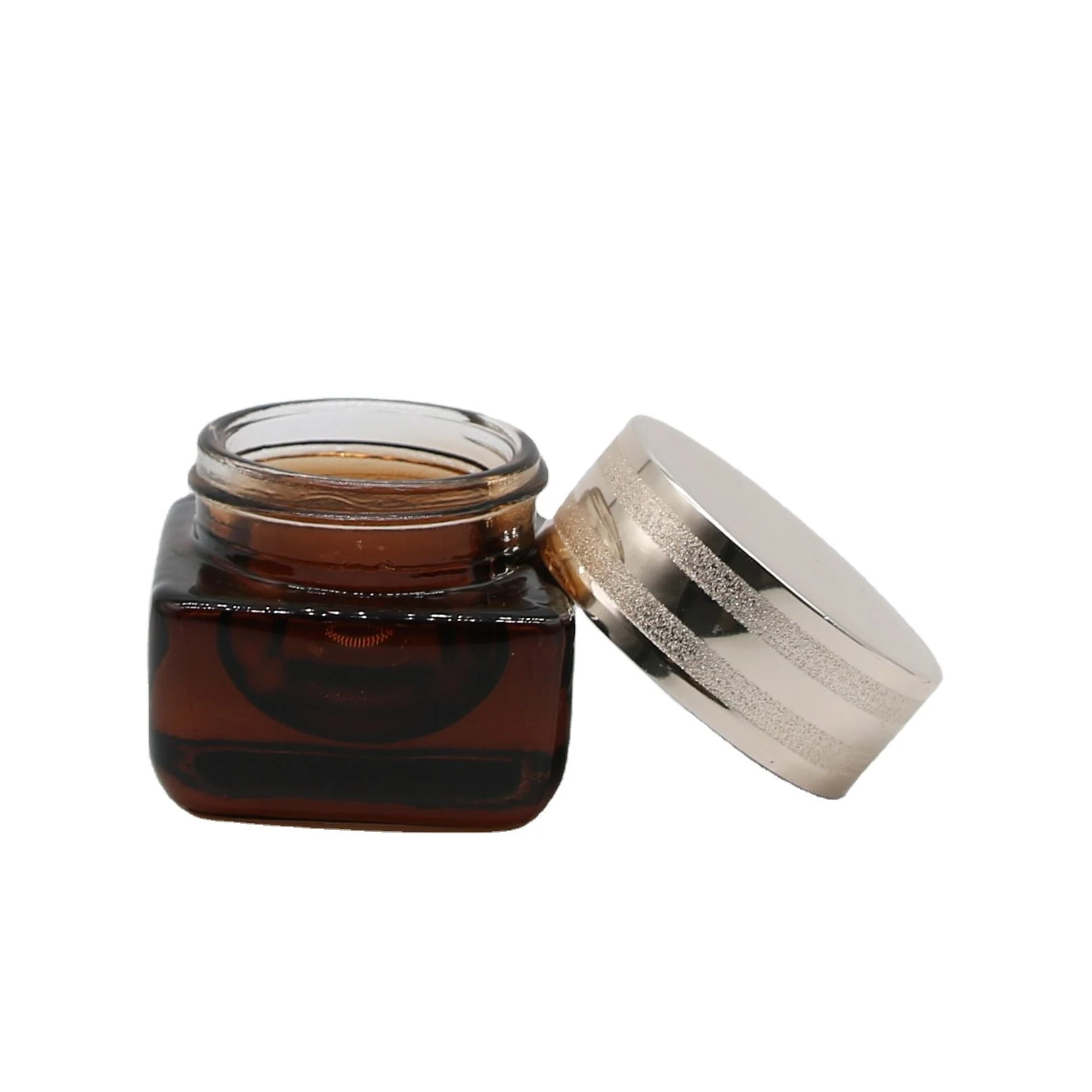
St?lzle Glass Group is a well-known Austrian glass manufacturer specializing in premium packaging solutions. The company has a long history in glass production and has built a strong reputation for luxury glass containers. Its bottles are widely used in premium spirits, cosmetics, and pharmaceutical packaging.
The company produces decorative glass bottles, fragrance containers, and specialty packaging for high-end brands. Advanced glass forming technology allows the production of complex shapes and elegant bottle designs.
St?lzle Glass Group serves industries including spirits, cosmetics, and pharmaceuticals. Many global luxury brands rely on its packaging to enhance product presentation and brand identity.
The company emphasizes innovation and design. Its research teams continuously develop new glass compositions and manufacturing techniques to improve clarity, durability, and decorative possibilities.
Tiroler Glashütte (Riedel)
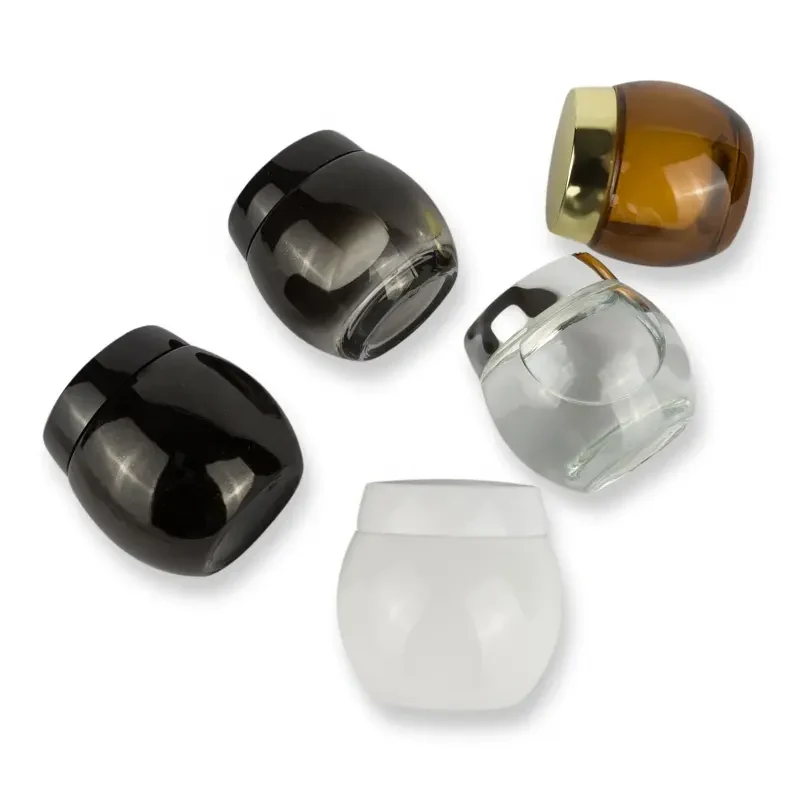
Tiroler Glashütte, widely known through the Riedel brand, is a famous Austrian glass manufacturer. The company has a long heritage in glass craftsmanship and is recognized worldwide for premium glassware. Although best known for wine glasses, the company also produces specialized glass containers and packaging products.
The company focuses on precision glass manufacturing and elegant design. Its facilities combine traditional craftsmanship with modern production technology to create high-quality glass products.
Tiroler Glashütte serves industries such as hospitality, wine production, and luxury beverage markets. Many wineries and premium beverage brands value the company’s expertise in glass design.
| The company has received numerous international awards and certifications for product design and manufacturing quality. Its reputation for craftsmanship continues to strengthen Austria’s position in the global glass industry. | Company | Founded | Core Products | Industries | Certifications |
|---|---|---|---|---|---|
| Vetropack Austria | 1911 (Group history) | Beverage bottles, food jars | Beverage, food | ISO quality and environmental certifications | |
| St?lzle Glass Group | 1805 | Premium spirits bottles, cosmetic containers | Spirits, cosmetics, pharma | International quality standards | |
| Tiroler Glashütte (Riedel) | 1756 | Glassware and specialty glass containers | Hospitality, wine industry | Design and quality awards |
Part 3: Trade Shows and Industry Events
Glasstec
Glasstec is one of the world’s most important exhibitions for the glass industry. Although the event takes place in Germany, many Austrian glass manufacturers participate each year. The exhibition provides a platform for companies to present new glass technologies, machinery, and packaging solutions.
The event is held in Düsseldorf and attracts thousands of professionals from across the global glass industry. Manufacturers, engineers, designers, and buyers attend the exhibition to explore innovations and build partnerships.
A major highlight of Glasstec is its technology demonstrations. Equipment manufacturers showcase new furnace designs, automation systems, and glass forming machines. These technologies help factories improve efficiency and reduce energy consumption.
The exhibition also hosts conferences and technical seminars. Experts discuss topics such as sustainable production, recycling technologies, and digital manufacturing solutions for the glass industry.
Interpack
Interpack is another important event for packaging manufacturers and brand owners. The exhibition covers many packaging materials including glass, plastic, paper, and metal containers. Glass bottle producers often attend to showcase new packaging designs and explore collaboration opportunities with global brands.

The event takes place in Düsseldorf and attracts participants from more than one hundred countries. It is considered one of the largest packaging trade fairs in the world.
A key highlight of Interpack is its focus on packaging innovation. Companies present new bottle shapes, decorative glass finishes, and lightweight glass designs that reduce transportation costs.
| Seminars and industry discussions also play an important role during the exhibition. These sessions explore trends such as sustainable packaging, circular economy strategies, and digital transformation in manufacturing. | Event | Date | Location | Highlights |
|---|---|---|---|---|
| Glasstec | Biennial | Düsseldorf, Germany | Global glass technology and manufacturing innovation | |
| Interpack | Every three years | Düsseldorf, Germany | Packaging innovation and global industry networking |
Part 4: Impact of Global Trade Policies
Global trade policies have a direct influence on the Austrian glass bottle industry. Export regulations, environmental standards, and regional trade agreements all affect how glass packaging products move across European markets. Manufacturers must follow strict European Union regulations related to packaging safety and environmental impact.

The European Union’s environmental policies strongly support recyclable packaging materials. Glass packaging benefits from these regulations because it is fully recyclable and widely accepted in circular economy systems.
At the same time, energy policies in Europe influence glass manufacturing costs. Glass furnaces require continuous high-temperature operation, which means energy prices play a significant role in production expenses.
International competition also affects the market. Glass manufacturers from Asia and Eastern Europe often compete with European producers in global packaging markets. Austrian companies respond by focusing on quality, design innovation, and premium product segments.
Supply chain stability also remains important. Access to raw materials and reliable transportation networks helps Austrian manufacturers maintain steady production and export operations.
Part 5: Conclusion
Austria’s glass bottle manufacturing industry continues to play an important role in the European packaging market. Beverage producers, gourmet food brands, and luxury cosmetics companies rely on glass containers for both functionality and brand value. Strong manufacturing expertise and strict quality standards help Austrian companies maintain a strong reputation in global markets.
However, the industry must also adapt to changing market conditions. Rising energy costs and international competition create ongoing challenges. Manufacturers that invest in sustainable production, advanced technology, and innovative packaging design will continue to lead the future development of the Austrian glass packaging industry.