Skip to content

Part 1: Market Size and Growth
The Bahamas has a unique packaging market shaped by tourism, hospitality, and beverage imports. Glass bottles are widely used across restaurants, resorts, and beverage distributors. The strong tourism economy creates steady demand for premium beverage packaging. Rum, craft drinks, sauces, and specialty beverages rely on glass bottles to maintain product quality and brand image.

Local manufacturing is relatively limited because the island nation relies heavily on imports for many industrial products. Even so, packaging demand remains stable due to constant tourism activity and hospitality consumption. Beverage companies and food brands often import glass bottles from nearby countries or regional suppliers in North America and the Caribbean.
Government policy also plays a role in shaping the packaging ecosystem. The Bahamas encourages sustainable packaging and waste reduction programs. Glass is often favored because it can be recycled and reused more easily than many other packaging materials. This environmental advantage strengthens the long-term relevance of glass bottles in the country’s beverage and food industries.
Market Drivers and Consumption Patterns
Tourism is the strongest driver of packaging demand in the Bahamas. Hotels, resorts, and cruise tourism generate high consumption of bottled beverages. Many global beverage brands distribute products in glass bottles because they match the premium atmosphere of hospitality venues.
The beverage industry also contributes to local demand. Rum production, flavored beverages, and specialty drinks often rely on glass containers. These bottles protect flavor and allow longer shelf life compared with many plastic alternatives.
Key Demand Segments
| Segment | Typical Products | Packaging Requirements |
|---|---|---|
| Rum & Spirits | Caribbean rum, flavored spirits | Decorative bottles with branding |
| Soft Drinks | Local sodas, imported beverages | Standard glass beverage bottles |
| Food Products | Sauces, syrups | Medium-sized bottles and jars |
| Hospitality | Restaurants and hotels | Bulk beverage packaging |
Another factor shaping the market is import logistics. The Bahamas is made up of many islands, which means transportation and storage costs are important considerations. Distributors prefer packaging suppliers who can ensure consistent shipments and reliable delivery schedules.
Sustainability has become a growing topic in the region. Governments and environmental groups encourage recycling initiatives to reduce waste in coastal ecosystems. Glass bottles fit well into these efforts because they can be recycled repeatedly without losing quality.
The Bahamas may not host a large glass manufacturing sector, but its demand for bottles remains stable and predictable. Beverage imports, hospitality consumption, and specialty food production all require reliable packaging. Companies that provide durable bottles, flexible design options, and efficient logistics are able to serve this market successfully.
Part 2: Leading Companies
Commonwealth Brewery Limited

Commonwealth Brewery Limited is one of the most recognized beverage producers in the Bahamas. The company was established in Nassau and has become a major supplier of beer and malt beverages across the country. Its production scale makes it a key consumer of glass bottle packaging in the local market.
The company produces several well-known beverage brands that are distributed through supermarkets, restaurants, and hospitality venues. Glass bottles play an important role in the packaging strategy because beer often requires durable containers that preserve carbonation and flavor.
Commonwealth Brewery serves industries such as hospitality, retail beverage distribution, and tourism. Hotels and restaurants across the islands rely on the company’s products to supply guests with local drinks. As a result, the brewery requires a consistent supply of high-quality glass bottles.
Innovation within the company often focuses on packaging efficiency and branding. Bottle shapes, label placement, and durability are carefully designed to ensure smooth production and transport. These improvements help maintain product quality across the island distribution network.
Bahamas Bottling Company
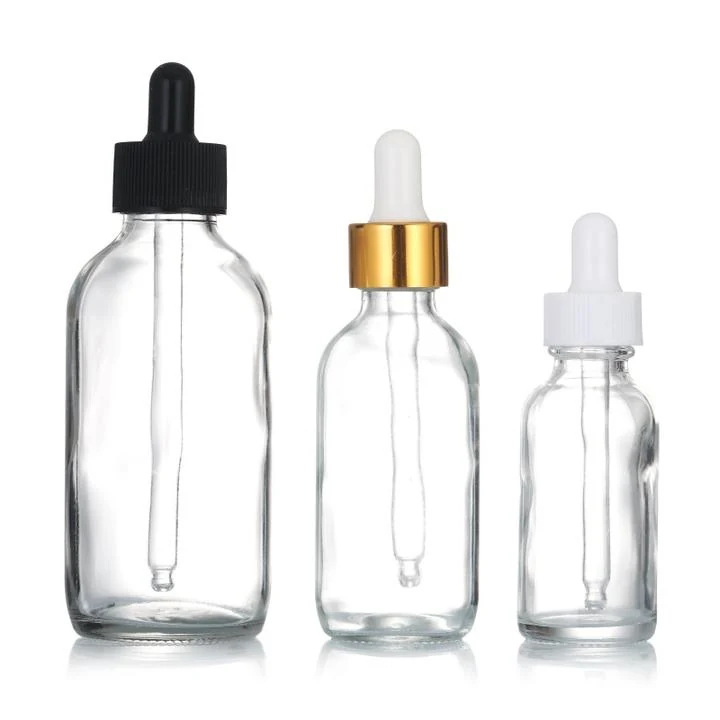
Bahamas Bottling Company is another important player in the beverage packaging ecosystem. The company is known for producing and distributing soft drinks and bottled beverages within the country. Its operations rely heavily on glass bottle supply chains for packaging and distribution.
The company’s beverage portfolio includes carbonated drinks, flavored sodas, and other popular refreshments. Glass bottles are widely used because they maintain product taste and provide a premium presentation that consumers recognize.
Bahamas Bottling Company supplies products to supermarkets, convenience stores, and hospitality venues. Tourism demand often increases beverage consumption during peak seasons, which means the company must maintain stable packaging supplies.
The company’s approach to packaging includes maintaining consistent bottle quality and efficient production lines. Reliable bottle supply ensures that beverage manufacturing can continue without interruption. This consistency is essential in an island economy where supply chains must be carefully managed.
Caribbean Glassworks Distribution Ltd.
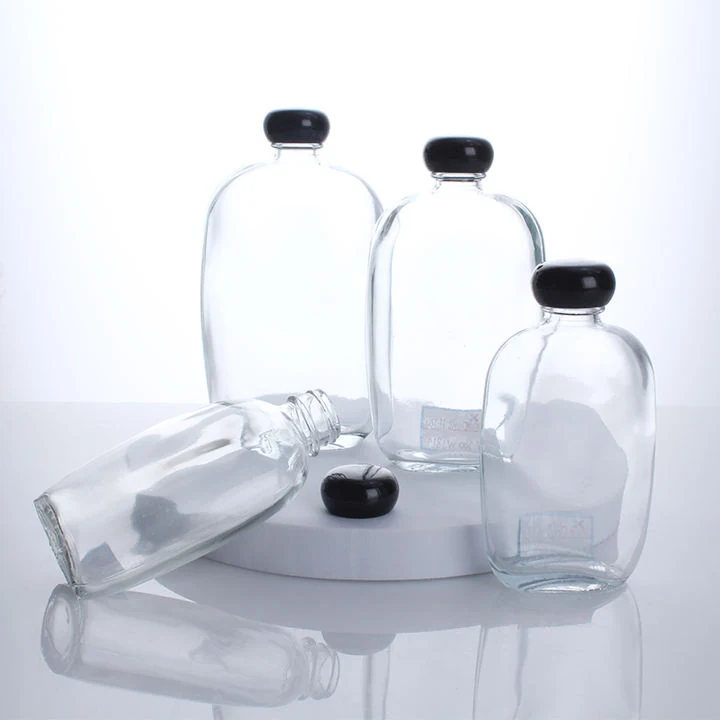
Caribbean Glassworks Distribution Ltd. focuses on supplying glass containers to businesses throughout the Bahamas and neighboring islands. Instead of operating a large manufacturing facility locally, the company coordinates imports and distribution for beverage and food producers. This model helps bridge the gap between international glass manufacturers and local demand.
The company supplies a wide range of containers including beverage bottles, food jars, and specialty glass packaging. These containers are used by rum producers, sauce brands, and hospitality businesses. Glass packaging remains popular because it provides durability and product protection.
Caribbean Glassworks Distribution serves several industries including beverage production, retail distribution, and hospitality supply. Many businesses prefer working with regional distributors because they simplify logistics and reduce procurement complexity.
Innovation within the company mainly focuses on supply chain coordination. Efficient shipping, warehousing, and inventory management ensure that businesses can receive bottles when they need them. In island markets where shipping schedules can vary, this reliability becomes a valuable advantage.
Industry Supply Chain Structure
The Bahamian glass bottle market relies on a combination of local beverage companies and international packaging suppliers. Manufacturing, distribution, and logistics all play important roles in maintaining stable supply.
Supply Chain Overview
| Stage | Role in the Industry |
|---|---|
| Glass Manufacturing | Often located in North America or Caribbean |
| Regional Distribution | Imports and warehousing |
| Beverage Production | Bottling and packaging |
| Hospitality & Retail | Final consumption |
Because the Bahamas has limited heavy industry, many bottles are imported from overseas manufacturers. These imports typically come from the United States, Mexico, or nearby Caribbean producers. Distribution companies then supply bottles to beverage producers and food brands.
Local beverage companies maintain close relationships with packaging suppliers. Consistency in bottle design and quality is essential because bottling machines are designed for specific bottle shapes. Even small design differences can disrupt production lines.
Another factor is branding. Premium rum and specialty beverages often use distinctive bottles to stand out on store shelves. Suppliers that can support customized designs are therefore highly valued in this market.
Despite its relatively small size, the Bahamian glass bottle market plays a crucial role in supporting tourism and beverage distribution. The industry depends on coordination between international manufacturers, regional distributors, and local beverage producers.
| Company | Founded | Core Products | Industries | Certifications |
|---|---|---|---|---|
| Commonwealth Brewery Limited | 1988 | Beer bottles and beverage packaging | Brewing & hospitality | Beverage quality certifications |
| Bahamas Bottling Company | 20th century | Soft drink bottles | Beverage production | Manufacturing quality standards |
| Caribbean Glassworks Distribution Ltd. | 2000s | Glass bottles and jars | Beverage & food packaging | Supply chain quality compliance |
Part 3: Trade Shows and Industry Events
Trade shows and regional industry events help connect packaging suppliers with beverage brands and hospitality buyers in the Caribbean. These events create opportunities for networking, product demonstrations, and partnership development. Glass bottle suppliers often use these exhibitions to showcase packaging design and manufacturing capabilities.

Caribbean Rum Festival
The Caribbean Rum Festival celebrates one of the region’s most iconic industries. Distilleries from across the Caribbean gather to showcase rum varieties, brand stories, and packaging designs. Bottle design plays a large role in product presentation because premium rum brands often rely on distinctive glass bottles.
The event usually takes place annually in different Caribbean locations. Rum producers, beverage distributors, hospitality buyers, and packaging suppliers attend the festival. These participants explore partnerships and discover new products.
One highlight of the event is the focus on premium brand storytelling. Distilleries often present limited-edition bottles with unique shapes and decorative elements. These designs demonstrate how packaging contributes to brand value.
Caribbean Hotel Industry Conference (CHIC)
The Caribbean Hotel Industry Conference is one of the most influential events for hospitality professionals in the region. The conference brings together hotel owners, suppliers, beverage brands, and tourism investors. Packaging suppliers participate because hotels and resorts are major consumers of bottled beverages.
The conference is usually hosted annually in different Caribbean destinations. Attendees include hotel executives, beverage distributors, and hospitality suppliers. These connections help packaging companies understand evolving hospitality trends.
One of the major highlights is the discussion of sustainability in tourism operations. Many hotels now prioritize environmentally responsible packaging. Glass bottles often align with these goals because they are recyclable and reusable.
| Event | Date | Location | Highlights |
|---|---|---|---|
| Caribbean Rum Festival | Annual | Caribbean region | Rum branding and bottle design |
| Caribbean Hotel Industry Conference | Annual | Rotating Caribbean cities | Hospitality supply networking |
Part 4: Impact of Global Trade Policies
Global trade policies influence the glass bottle supply chain that serves the Bahamas. Import tariffs, shipping costs, and environmental regulations can all affect packaging availability. Because the country relies heavily on imports, changes in international trade policies can quickly influence packaging costs.
Regional trade agreements within the Caribbean help simplify the movement of goods between neighboring countries. These agreements allow distributors to source bottles from regional manufacturers with fewer barriers. As a result, Caribbean supply chains remain relatively flexible.
Environmental policy is another factor shaping the packaging industry. Governments and tourism organizations encourage the use of recyclable materials. Glass bottles benefit from this trend because they are widely recognized as environmentally responsible packaging.
Shipping and logistics remain critical challenges for island economies. Global shipping disruptions or rising fuel costs can affect the availability of packaging materials. Businesses often manage this risk by maintaining buffer inventory and working with multiple suppliers.
Despite these challenges, global trade also creates opportunities. The Bahamas attracts millions of tourists each year, which increases demand for premium beverages and packaged foods. These industries rely on high-quality glass bottles to maintain product presentation and safety.
Part 5: Conclusion
The glass bottle market in the Bahamas is shaped by tourism, beverage consumption, and regional trade. Hotels, restaurants, and beverage producers rely on glass packaging to maintain product quality and present premium brands. Although local manufacturing is limited, strong demand ensures a steady flow of imported glass bottles into the country.
The industry still faces challenges such as shipping costs, supply chain disruptions, and environmental concerns. Companies that focus on reliable logistics, sustainable packaging, and flexible bottle design will remain competitive. As tourism and hospitality continue to expand, the demand for high-quality glass bottles in the Bahamas will likely remain stable for many years.