Skip to content

Part 1: Market Size and Growth
Bangladesh has experienced strong industrial development over the past two decades, and the glass packaging sector has grown along with it. Glass bottles play a major role in pharmaceuticals, beverages, food processing, and cosmetics. Many local manufacturers rely on glass packaging because it protects product purity and supports long shelf life.
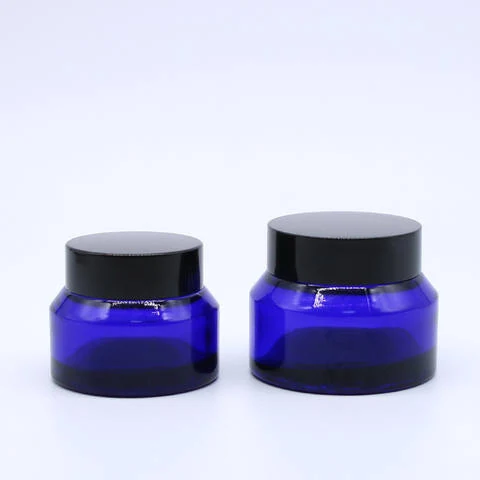
The domestic demand for glass bottles continues to increase as Bangladesh expands its beverage and pharmaceutical industries. Soft drinks, juices, and traditional beverages often use glass containers. The pharmaceutical sector is another major driver because many medicines require stable and non-reactive packaging. Glass provides strong chemical resistance, which makes it a reliable choice for medicine and healthcare products.
Government policies also influence the industry. Bangladesh encourages local manufacturing to reduce imports and strengthen domestic supply chains. Industrial zones and export incentives support the growth of glass factories. These policies allow manufacturers to invest in new furnaces, automation equipment, and improved quality control systems.
Industrial Background
Glass manufacturing in Bangladesh began on a relatively small scale during the mid-20th century. Early factories focused on simple containers for food and household products. Over time, increasing demand from beverage and pharmaceutical companies pushed manufacturers to expand production capacity.
Modern factories now use automated forming machines and controlled furnaces. These technologies allow companies to produce millions of bottles every month. Many factories also invest in mold design and inspection systems to ensure consistent bottle quality.
Demand from Pharmaceutical and Beverage Sectors
The pharmaceutical industry represents one of the strongest drivers of glass bottle demand in Bangladesh. Many medicines require sterile and chemically stable packaging. Glass containers meet these requirements better than many other materials.
Bangladesh has a large domestic pharmaceutical market and also exports medicines to many countries. These exports increase the need for reliable glass vial and bottle production. As pharmaceutical exports grow, the demand for high-quality glass packaging also rises.
The beverage industry also contributes strongly to bottle demand. Soft drinks, energy drinks, juices, and flavored beverages often use glass containers. Glass preserves taste and maintains carbonation better than many alternatives.
Recycling and Sustainability
Recycling systems in Bangladesh are gradually improving. Many glass factories collect used bottles and broken glass to reuse as raw material. This recycled glass, known as cullet, reduces energy consumption during the melting process.
Manufacturers also work to reduce production waste and improve furnace efficiency. These improvements lower manufacturing costs while supporting environmental goals. Although recycling infrastructure is still developing, it continues to expand each year.
International buyers also encourage sustainable production practices. Export markets often require compliance with environmental standards. As a result, Bangladeshi manufacturers increasingly adopt cleaner production technologies and energy-efficient equipment.
Part 2: Leading Companies
PHP Glass Industry Ltd
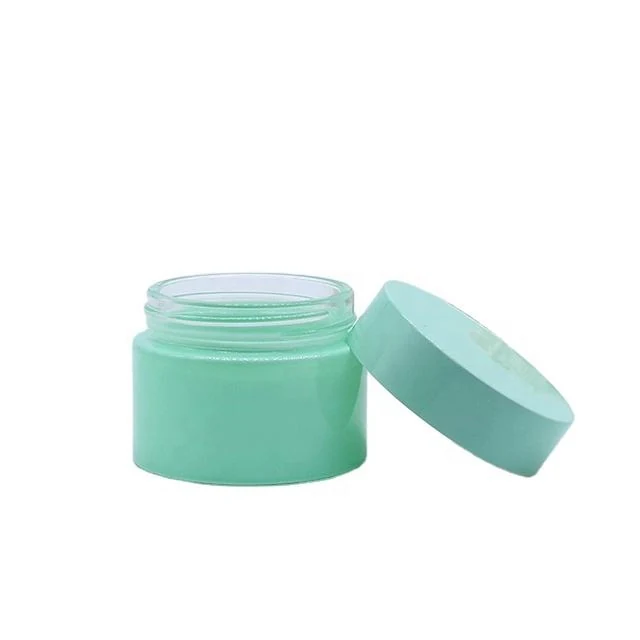
PHP Glass Industry Ltd is one of the most recognized glass container manufacturers in Bangladesh. The company operates modern production facilities and supplies bottles to several industries. Its focus on quality and large-scale production has made it an important supplier within the domestic market.
The company manufactures a wide range of glass bottles and containers. These include bottles for beverages, food products, pharmaceuticals, and cosmetics. Its production lines are designed to handle both standard bottle designs and customized molds requested by brand owners.
PHP Glass invests in modern furnace technology and automated forming systems. These technologies allow the company to maintain consistent product quality while producing high volumes. The company also works on improving recycling practices and energy efficiency.
The company serves industries such as beverage production, pharmaceuticals, food processing, and cosmetics. It has gained recognition within Bangladesh for its manufacturing capabilities and compliance with quality management standards.
Bengal Glass Works Ltd
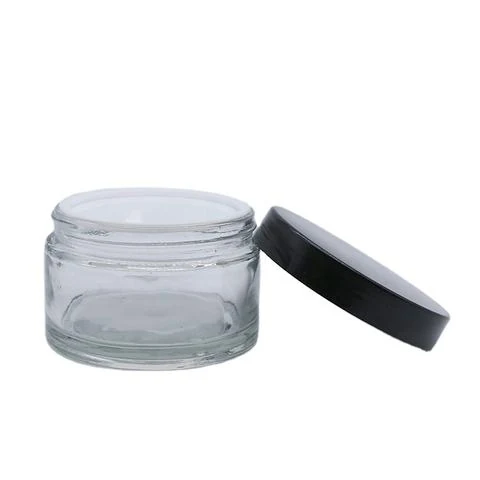
Bengal Glass Works Ltd is one of the oldest glass manufacturing companies in Bangladesh. The company has decades of experience producing glass containers for the domestic market. Its long presence in the industry has helped build strong relationships with local beverage and pharmaceutical companies.
The company produces glass bottles, jars, and other packaging containers. Its product range includes beverage bottles, medicine containers, and food jars. Many local manufacturers rely on Bengal Glass Works for stable and consistent packaging supply.
The company has gradually upgraded its equipment to meet modern manufacturing standards. These upgrades improve bottle strength, clarity, and dimensional accuracy. The company also invests in quality inspection processes to reduce production defects.
Bengal Glass Works serves industries including pharmaceuticals, beverages, and packaged food production. Its experience and reputation help maintain its position within the Bangladeshi glass container market.
Nasir Glass Industries Ltd
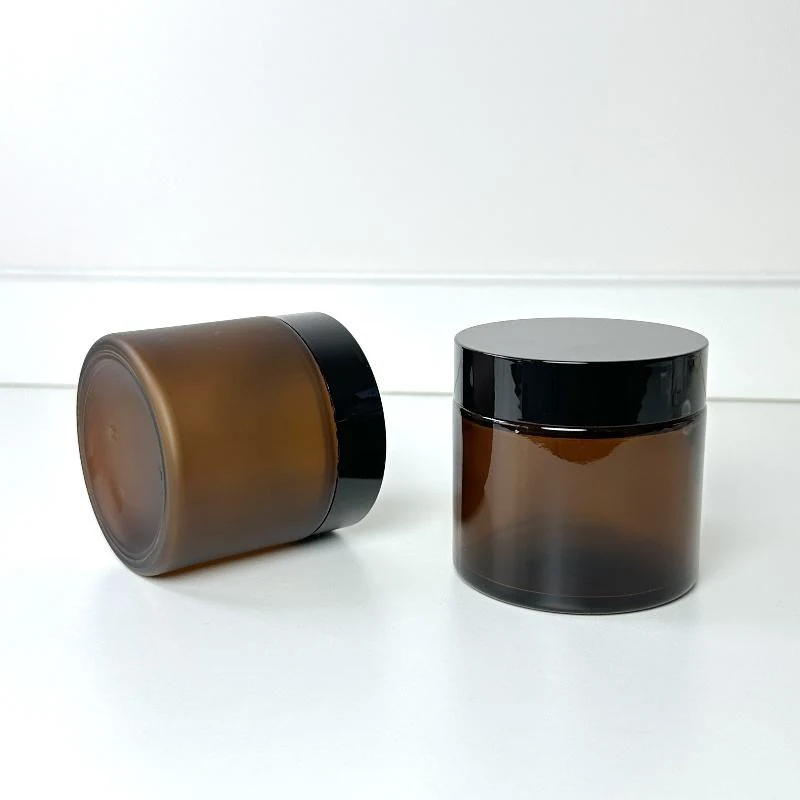
Nasir Glass Industries Ltd is another important player in Bangladesh’s glass manufacturing sector. The company produces both flat glass and container glass products. Its container glass division supplies bottles for beverage and food companies throughout the region.
The company manufactures bottles in various sizes and shapes to meet different packaging needs. Beverage brands often use its bottles for soft drinks and flavored beverages. Food companies also use its jars for sauces, pickles, and preserved products.
Nasir Glass focuses on improving production efficiency and maintaining strict quality standards. The company invests in furnace maintenance, mold design, and automated inspection systems. These improvements help ensure consistent bottle strength and shape accuracy.
The company serves industries such as beverage manufacturing, food packaging, and household products. It maintains quality control systems that support large-scale production and stable supply for local brands.
| Company | Founded | Core Products | Industries | Certifications |
|---|---|---|---|---|
| PHP Glass Industry Ltd | 2000s | Beverage bottles, pharmaceutical containers | Beverage, pharmaceutical, food | Quality management certifications |
| Bengal Glass Works Ltd | 1960s | Glass bottles, jars, medicine containers | Beverage, pharma, food | Industrial manufacturing standards |
| Nasir Glass Industries Ltd | 1970s | Container glass, beverage bottles, food jars | Beverage, food, household products | Quality control certifications |
Part 3: Trade Shows and Industry Events
Dhaka International Trade Fair
The Dhaka International Trade Fair is one of the largest business exhibitions in Bangladesh. The event brings together manufacturers, exporters, and international buyers. Glass container producers often participate to showcase packaging solutions for beverage, food, and pharmaceutical industries.
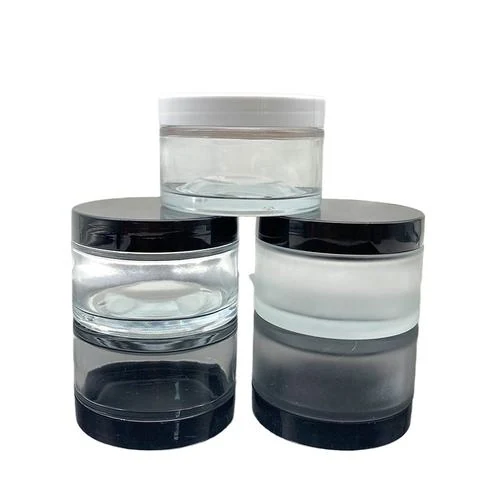
The fair usually takes place annually in Dhaka and attracts thousands of visitors. Companies from many sectors display products ranging from consumer goods to industrial materials. Packaging suppliers use the event to connect with local brands and distributors.
Exhibitors often present new packaging designs and production capabilities during the fair. Glass manufacturers highlight bottle shapes, durability, and recycling advantages. These demonstrations help beverage and food companies explore packaging options.
Bangladesh International Packaging Exhibition
The Bangladesh International Packaging Exhibition focuses specifically on packaging technologies and materials. The event gathers packaging suppliers, machinery manufacturers, and brand owners. Glass bottle producers attend to introduce new manufacturing processes and sustainable packaging concepts.
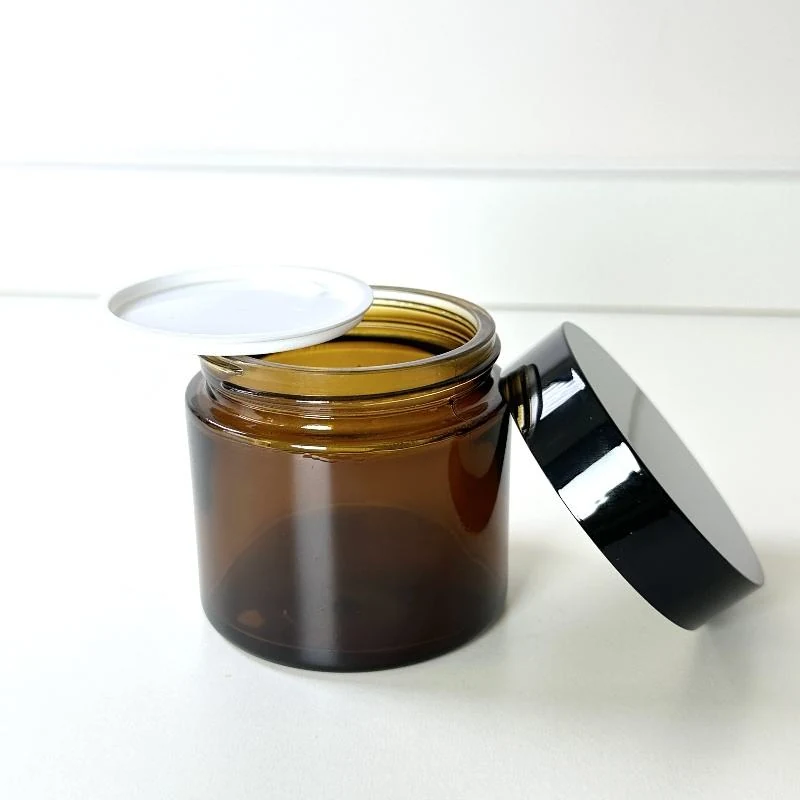
The exhibition takes place in Dhaka and attracts professionals from food, beverage, cosmetics, and pharmaceutical sectors. Many companies attend to discover packaging innovations and establish supply partnerships.
Glass manufacturers use the exhibition to demonstrate improved bottle strength, lightweight designs, and decorative techniques. These features help brands create distinctive packaging that stands out on store shelves.
| Event | Date | Location | Highlights |
|---|---|---|---|
| Dhaka International Trade Fair | Annual | Dhaka, Bangladesh | Major national trade exhibition |
| Bangladesh International Packaging Exhibition | Annual | Dhaka, Bangladesh | Packaging technology and materials showcase |
Part 4: Impact of Global Trade Policies
Global trade policies influence Bangladesh’s glass bottle industry through export opportunities and raw material supply chains. International trade agreements allow Bangladeshi manufacturers to sell products in various markets. These agreements create opportunities for glass packaging producers to expand beyond domestic demand.
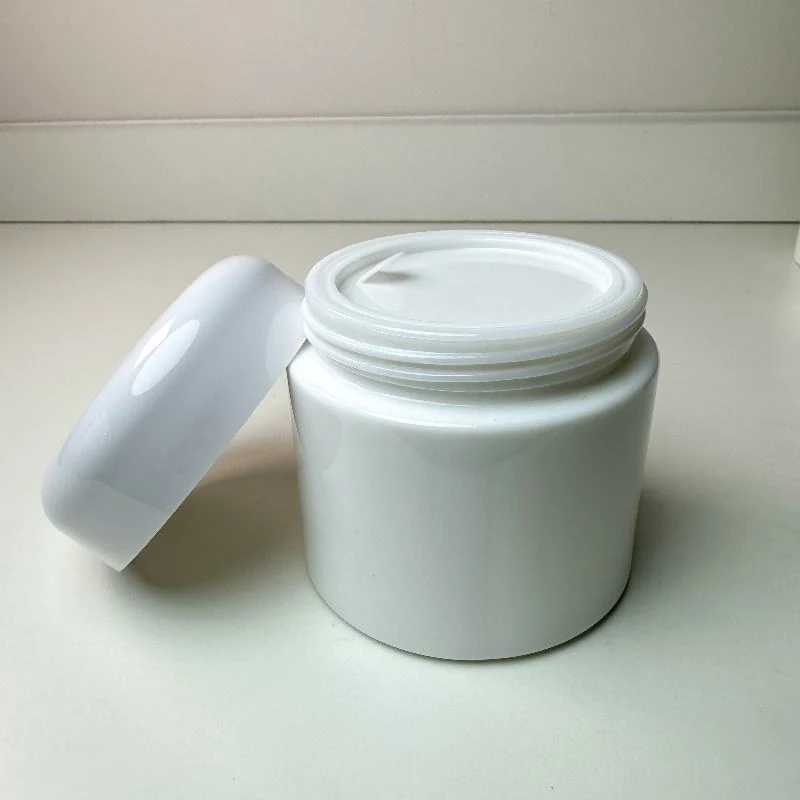
However, manufacturing costs remain sensitive to energy prices and imported raw materials. Glass production requires high-temperature furnaces, which consume large amounts of energy. Changes in global fuel prices can directly affect production costs for manufacturers.
Supply chain stability also plays a critical role. Raw materials such as silica sand, soda ash, and limestone must be sourced reliably. Any disruption in global shipping or trade routes can influence production schedules and costs.
At the same time, environmental regulations from international markets affect export competitiveness. Many global brands require packaging suppliers to follow environmental and quality standards. Bangladeshi manufacturers increasingly adopt these standards to maintain access to export markets.
International competition also affects the industry. Some beverage brands import bottles from other countries when pricing becomes more competitive. To remain competitive, Bangladeshi manufacturers focus on improving production efficiency and expanding their design capabilities.
Regional trade cooperation in South Asia also creates opportunities for growth. Neighboring markets such as India, Nepal, and Sri Lanka may import packaging materials depending on supply conditions. Bangladeshi manufacturers can benefit from these regional trade relationships.
Part 5: Conclusion
The glass bottle manufacturing industry in Bangladesh continues to grow as the country expands its beverage, food, and pharmaceutical sectors. Local manufacturers play an important role in supplying reliable packaging for domestic brands. Increasing industrial capacity and modernization help the industry meet rising demand.
At the same time, manufacturers must address challenges such as energy costs, global competition, and environmental regulations. Companies that invest in modern technology, quality control, and sustainable production will strengthen their position in both domestic and export markets.