Skip to content
Part 1: Market Size and Growth
Botswana’s manufacturing sector is relatively small compared with major industrial economies, yet packaging demand continues to expand as the food and beverage industry grows. Glass bottles remain a critical packaging option for breweries, beverage producers, and food processors. The country’s rising urban population and retail development create steady demand for bottled drinks and packaged food products.
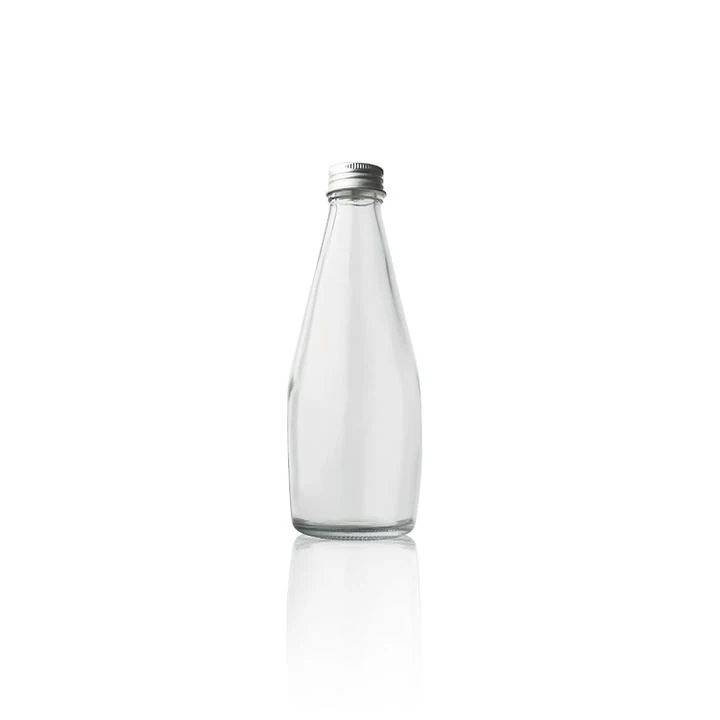
The beverage industry plays the most important role in the demand for glass bottles. Beer, soft drinks, and alcoholic beverages dominate retail shelves in Botswana. Breweries and beverage bottlers depend on reliable bottle supply to maintain production. Glass packaging remains popular because it preserves taste, protects beverages from contamination, and offers a premium product appearance.
Government industrial policy also influences the development of packaging manufacturing. Botswana encourages local production to reduce reliance on imports and strengthen regional supply chains. Investment incentives and partnerships with regional manufacturers help expand the country’s packaging infrastructure.
Beverage Industry as the Core Driver
The beverage sector accounts for a large share of glass bottle consumption in Botswana. Local breweries and beverage companies require millions of bottles each year to support domestic demand. Beer brands are especially important in this ecosystem because returnable glass bottles are commonly used for distribution.
Returnable bottles reduce packaging waste and lower long-term costs. Many breweries collect empty bottles from retailers and reuse them after sterilization. This model creates a circular packaging system that supports sustainability goals.
Soft drink producers also rely on glass bottles for certain product lines. While plastic packaging has grown in popularity, glass remains preferred for premium beverages and traditional drink brands.
Retail Expansion and Urban Growth
Botswana has experienced steady urban development over the past two decades. Cities such as Gaborone and Francistown continue to expand with new retail centers, supermarkets, and hospitality businesses.
Modern retail chains require standardized packaging for shelf display and transportation. Glass bottles provide a reliable packaging format for beverages, sauces, and specialty food products. Retailers also value the visual clarity of glass packaging because it allows customers to see the product.
Urban consumers increasingly prefer premium packaging as disposable income rises. This trend supports continued demand for well-designed glass bottles.
Key Market Segments
Several industries contribute to glass bottle demand in Botswana.
| Sector | Typical Products | Packaging Type |
|---|---|---|
| Beer production | Lager and craft beer | Returnable beer bottles |
| Soft drinks | Carbonated beverages | Standard glass beverage bottles |
| Spirits | Whiskey, gin, and vodka | Decorative spirit bottles |
| Food processing | Sauces and condiments | Glass jars and bottles |
Glass packaging also aligns with sustainability efforts. Recycling programs encourage businesses to reduce plastic waste and promote reusable packaging solutions.
Part 2: Leading Companies
Kalahari Glass
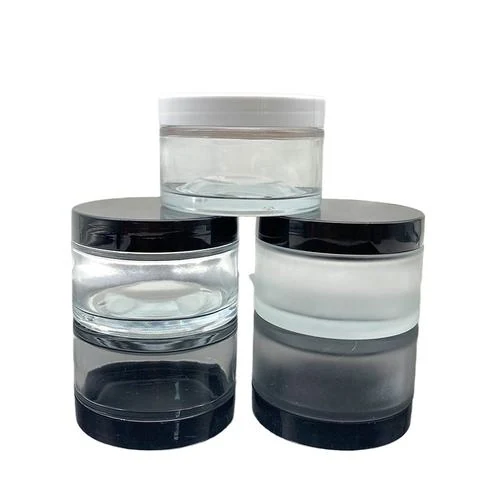
Kalahari Glass is widely recognized as the largest glass container manufacturer in Botswana. The company operates modern production facilities that produce bottles for beverage companies and food packaging businesses. Its manufacturing lines use high-temperature furnaces and automated forming technology to maintain consistent glass quality.
The company produces a variety of bottles including beer bottles, beverage containers, and food jars. These products serve breweries, soft drink companies, and food processors across Southern Africa. Many local beverage brands depend on Kalahari Glass for reliable supply.
Kalahari Glass focuses on sustainable manufacturing practices and efficient production systems. The company has implemented recycling initiatives that allow used glass to be collected and remelted during production. It has also received certifications related to quality management and environmental responsibility.
Botswana Breweries Packaging Division

Botswana Breweries operates large beverage production facilities that include packaging and bottling operations. The company plays an important role in the glass bottle ecosystem because beer production requires significant volumes of returnable bottles.
Its packaging division manages bottle washing, sterilization, filling, and distribution processes. Glass bottles are collected from retailers and returned to the brewery for reuse. This system improves cost efficiency and reduces environmental impact.
The brewery serves both domestic markets and regional distribution channels. Its packaging operations follow strict food safety standards to ensure product quality. Continuous investment in automation and logistics technology helps maintain consistent production output.
Consol Glass Botswana

Consol Glass has historically been one of the largest glass packaging companies in Southern Africa. The company’s operations extend into Botswana through regional supply and distribution networks. Its expertise in glass container manufacturing supports beverage and food industries across the region.
The company produces glass bottles for beer, wine, spirits, and food products. Its production technology focuses on lightweight bottle design and efficient energy usage. These innovations help reduce transportation costs and environmental impact.
Consol Glass serves multinational beverage brands as well as smaller regional producers. Its facilities maintain strict quality control procedures and comply with international manufacturing standards. Certifications related to food safety and environmental management reinforce its position as a trusted packaging supplier.
Industry Competition and Supply Chain
The glass bottle manufacturing sector in Botswana includes both domestic producers and regional suppliers. Competition depends on several factors such as production capacity, energy efficiency, and logistics capability.
Manufacturers must balance operational costs with consistent product quality. Glass production requires continuous furnace operation, which consumes large amounts of energy. Companies therefore invest in efficient furnace technology and process optimization.
| Company | Founded | Core Products | Industries | Certifications |
|---|---|---|---|---|
| Kalahari Glass | 1980s | Beverage bottles and glass containers | Beer, soft drinks, food | ISO quality and environmental standards |
| Botswana Breweries Packaging Division | 1970s | Bottled beer packaging | Beverage industry | Food safety standards |
| Consol Glass Botswana | 1940s | Glass bottles and jars | Beverage and food packaging | International manufacturing certifications |
Packaging design is also becoming more important in competition. Beverage brands often request unique bottle shapes and embossed logos to differentiate products in retail markets.
Part 3: Trade Shows and Industry Events
Propak Africa
Propak Africa is one of the largest packaging and processing exhibitions in the African continent. Manufacturers, packaging suppliers, and beverage companies attend the event to explore new technology and industry trends.
The exhibition is typically held in Johannesburg, South Africa. Participants from many African countries travel to the event to meet equipment suppliers and packaging manufacturers. Botswana companies often attend to learn about modern glass production technology and packaging automation.
The event highlights innovations in food processing, packaging materials, and manufacturing equipment. Glass bottle manufacturers use the exhibition to connect with beverage companies and explore partnership opportunities.
Africa Food Manufacturing Expo
The Africa Food Manufacturing Expo focuses on food production and packaging industries across the continent. The event attracts beverage producers, packaging manufacturers, and supply chain companies.

The exhibition usually takes place in major African trade hubs such as Johannesburg or Nairobi. Botswana companies participate to discover new packaging technologies and market trends.
Topics often discussed during the event include sustainable packaging, recycling systems, and automation in beverage bottling. These discussions help manufacturers adapt to changing consumer preferences and regulatory requirements.
Industry Collaboration Through Events
Trade shows provide valuable opportunities for companies in Botswana’s glass bottle industry. Manufacturers can present their production capabilities and meet potential buyers from across Africa.
These events also allow suppliers to demonstrate new furnace technology and packaging machinery. Industry professionals share insights about sustainability, energy efficiency, and recycling initiatives.
| Event | Date | Location | Highlights |
|---|---|---|---|
| Propak Africa | March (Annual) | Johannesburg, South Africa | Packaging technology and manufacturing equipment |
| Africa Food Manufacturing Expo | Annual | Rotating African cities | Food production and packaging innovation |
Participation in international exhibitions helps Botswana manufacturers stay connected to global packaging trends.
Part 4: Impact of Global Trade Policies
Global trade policies have a strong influence on Botswana’s glass bottle industry. Import tariffs, transportation costs, and regional trade agreements all affect packaging supply chains. Because Botswana is a landlocked country, logistics efficiency becomes a major factor in glass bottle distribution.

Regional Trade Partnerships
Botswana participates in regional economic organizations such as the Southern African Development Community (SADC). These partnerships encourage trade cooperation among member countries.
Reduced trade barriers allow glass bottle manufacturers in neighboring countries to supply Botswana markets more easily. Beverage companies can source packaging from regional suppliers when domestic production capacity is limited.
Regional trade agreements also support export opportunities for Botswana manufacturers. Glass bottles produced locally can be sold to beverage companies in nearby countries.
Transportation and Logistics Challenges
Transporting glass bottles requires careful logistics planning. The material is heavy and fragile, which increases shipping costs and packaging requirements.
Because Botswana does not have direct access to seaports, most imported goods travel through ports in South Africa or Namibia. Transportation routes include rail and road networks that connect these ports to Botswana’s industrial centers.
Manufacturers must therefore manage transportation costs carefully. Efficient logistics planning and protective packaging materials help reduce breakage during shipping.
Global Competition and Innovation
Botswana’s glass bottle manufacturers compete with producers from larger industrial countries. Companies in China, Europe, and South Africa often operate large-scale production facilities with advanced automation.
However, regional manufacturers still maintain important advantages. Proximity to local beverage companies allows faster delivery and stronger partnerships.
Innovation also plays a key role in maintaining competitiveness. Lightweight glass design, recycling programs, and energy-efficient furnaces are becoming standard features in modern glass manufacturing.
Part 5: Conclusion
Botswana’s glass bottle manufacturing sector continues to develop alongside the beverage and food processing industries. Breweries, beverage companies, and retail expansion create consistent demand for glass packaging. Manufacturers such as Kalahari Glass and regional suppliers play an essential role in maintaining reliable packaging supply.
At the same time, the industry faces challenges related to energy consumption, logistics costs, and global competition. Companies that invest in modern production technology, recycling systems, and efficient transportation networks will be better positioned for long-term growth in the African packaging market.