Part 1: Market Size and Growth
Brunei has a small but specialized packaging market. The country’s economy is strongly connected to energy, food imports, and regional trade. Because the domestic manufacturing sector is limited, many packaging materials, including glass bottles, are imported from nearby countries.
Food processing companies, beverage distributors, and cosmetics brands create steady demand for glass containers. Premium packaging is especially important in Brunei because many products target high-income consumers and hospitality businesses. Glass bottles are often chosen because they provide a clean appearance and protect product quality.

Government economic diversification plans also influence the packaging industry. Brunei has been encouraging the growth of manufacturing and halal-certified food processing. These industries require safe and high-quality packaging materials, and glass bottles fit these needs well.
Core Demand in the Food and Beverage Sector
The food and beverage sector is the primary driver of glass bottle demand in Brunei. Many companies package sauces, syrups, and cooking oils in glass containers because they help preserve taste and extend shelf life. Glass also helps brands present a premium image on retail shelves.
Restaurants and hotels represent another important market. The hospitality sector often uses glass bottles for beverages, table condiments, and decorative packaging. Imported beverages such as sparkling drinks, juices, and specialty drinks frequently arrive in glass containers.
Halal food production also plays a role in packaging choices. Glass containers are considered safe and neutral materials that do not react with food products. This makes them suitable for sauces, honey, herbal drinks, and specialty ingredients.
Below is a simple overview of the industries that drive glass bottle demand in Brunei.
| Industry | Common Bottle Types | Main Purpose |
|---|---|---|
| Food Processing | Sauce bottles, honey jars | Food preservation |
| Beverage | Juice bottles, specialty drinks | Premium packaging |
| Hospitality | Decorative beverage bottles | Presentation |
| Cosmetics | Perfume and oil bottles | Luxury branding |
Import-Based Supply Structure
Brunei imports most of its glass packaging. Suppliers from Malaysia, China, and Thailand play a major role in providing bottles and containers. These suppliers offer a wide variety of shapes, colors, and sizes that local companies can easily source.
Import distributors often act as intermediaries between foreign manufacturers and local businesses. They stock standard bottle designs that can be quickly delivered to restaurants, food processors, and retail brands.
The country’s small population limits the scale of domestic glass manufacturing. Large furnace-based glass factories require significant energy and investment. Because of this, importing bottles remains the most practical solution for many companies.
Future Development Potential
Although Brunei’s glass manufacturing industry is limited, packaging demand may grow in the future. Economic diversification programs aim to expand food production, tourism, and halal-certified exports. These sectors require reliable packaging solutions.
Tourism development could also increase demand for bottled beverages and specialty food products. Hotels and restaurants often prefer elegant packaging that reflects quality and luxury.
Sustainability trends may also influence the market. Glass bottles are recyclable and reusable, which aligns with environmental goals. If recycling systems improve, glass packaging may become even more attractive for businesses operating in Brunei.
Part 2: Leading Companies
Ghanim International Corporation

Ghanim International Corporation is a major food and beverage company in Brunei. While the company is not a glass manufacturer, it plays an important role in the local packaging ecosystem because it produces packaged food products that rely on glass containers.
The company produces a wide range of products such as sauces, cooking ingredients, and packaged foods. Many of these products are sold in glass bottles or jars to maintain freshness and quality. This approach helps create a premium brand image in both domestic and export markets.
Ghanim International serves restaurants, supermarkets, and export distributors. Its products often target halal-certified markets across Southeast Asia and the Middle East. Reliable packaging is essential for maintaining product quality during transport.
The company focuses on food safety standards and modern packaging systems. Its operations follow strict quality control procedures that ensure products meet international food safety requirements.
Brunei Halal Brand Producers

Brunei Halal Brand producers represent a group of companies operating under the national halal certification program. These businesses manufacture food products such as sauces, beverages, and condiments that frequently use glass packaging.
Glass bottles are widely used because they are non-reactive and safe for halal-certified food production. These containers also allow consumers to clearly see the product, which increases trust and product appeal.
Companies under this initiative supply both local markets and international distributors. Halal certification allows products to enter markets in Southeast Asia, the Middle East, and other Muslim-majority regions.
Innovation in packaging design and labeling has become a focus area. Many brands work with international packaging suppliers to develop attractive glass containers that strengthen brand recognition.
Hua Ho Distribution Packaging Division
Hua Ho is one of the largest retail groups in Brunei and plays a significant role in product distribution. Its packaging and sourcing divisions help import glass bottles and packaging materials for local businesses and private-label products.
The company works with suppliers across Asia to source packaging solutions for food products, beverages, and household goods. Through its retail network, it helps introduce new packaging designs and product concepts to the market.
Hua Ho’s supply chain connects manufacturers, distributors, and retailers. This network makes it easier for local brands to access packaging materials without building large import operations themselves.
The company focuses on efficient logistics and product consistency. By managing supply chains and distribution networks, it supports the availability of glass packaging for Brunei’s growing retail sector.
| Company | Founded | Core Products | Industries | Certifications |
|---|---|---|---|---|
| Ghanim International Corporation | 2000s | Food products in glass jars | Food processing | Halal certification |
| Brunei Halal Brand Producers | 2000s | Sauces and bottled foods | Halal food industry | National halal certification |
| Hua Ho Distribution Division | 1980s | Imported packaging materials | Retail and distribution | Retail quality standards |
Part 3: Trade Shows and Industry Events
Brunei Darussalam International Trade Expo
The Brunei Darussalam International Trade Expo is one of the country’s major business exhibitions. It gathers companies from food production, manufacturing, and packaging sectors. Many international suppliers use the event to introduce products to the Brunei market.

The exhibition usually takes place in Bandar Seri Begawan and attracts regional companies from Southeast Asia. Packaging suppliers often showcase bottles, labels, and food packaging systems during the event.
Networking is one of the key highlights of the expo. Local businesses can meet international packaging manufacturers and explore sourcing partnerships.
Borneo Halal Showcase
The Borneo Halal Showcase is another important event connected to the food industry. The exhibition focuses on halal-certified products, food production technologies, and packaging solutions.
Food brands, packaging companies, and distributors participate in the exhibition. Many businesses use the event to launch new products or packaging designs.
Glass bottles often appear in product displays because they align well with halal food packaging requirements. Clear containers allow consumers to inspect the contents and verify product quality.
| Event | Date | Location | Highlights |
|---|---|---|---|
| Brunei Darussalam International Trade Expo | Annual | Bandar Seri Begawan | International manufacturing and packaging suppliers |
| Borneo Halal Showcase | Annual | Brunei and Borneo region | Halal food and packaging innovation |
Part 4: Impact of Global Trade Policies
Global trade policies have a strong influence on Brunei’s packaging industry. Because the country imports most glass bottles, international logistics and trade agreements directly affect supply chains.
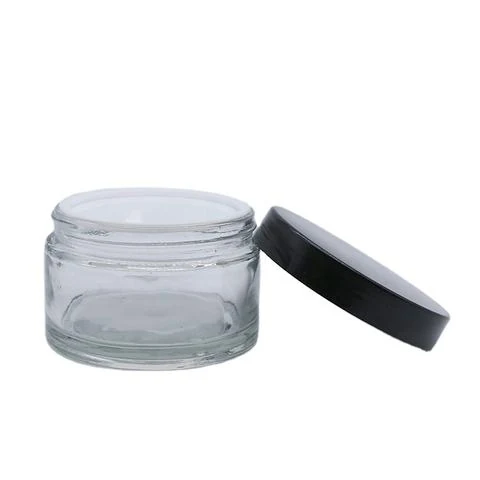
Regional trade cooperation within ASEAN helps simplify imports of packaging materials. Reduced tariffs and easier customs procedures allow Brunei companies to source glass bottles from neighboring countries.
Shipping costs and transportation routes also affect pricing. Changes in fuel prices or shipping availability can increase the cost of imported packaging materials.
Supply Chain Dependence
Brunei’s packaging supply chain depends on international manufacturers. Bottles are commonly imported from Malaysia, China, and Thailand. These countries have large glass manufacturing industries and can produce bottles at competitive prices.
Importers in Brunei must carefully manage inventory levels. Glass bottles are fragile and require careful transportation, which adds complexity to logistics planning.
Opportunities in Regional Partnerships
Regional trade agreements create opportunities for packaging partnerships. Companies in Brunei can collaborate with manufacturers in Southeast Asia to secure stable supply chains.
As food exports grow, packaging demand may also increase. Businesses that build strong partnerships with reliable packaging suppliers will be better positioned to expand their markets.
| Factor | Impact on Industry | Opportunity |
|---|---|---|
| Import reliance | Limited domestic manufacturing | Regional supplier partnerships |
| ASEAN trade policies | Lower import barriers | Easier sourcing |
| Logistics costs | Higher packaging prices | Supply chain optimization |
| Sustainability policies | Demand for recyclable packaging | Growth in glass usage |
Part 5: Conclusion
Brunei’s glass bottle market is shaped by its small domestic manufacturing base and strong reliance on imports. Food companies, beverage brands, and hospitality businesses create steady demand for glass packaging. Glass bottles remain popular because they protect product quality and enhance brand presentation.
Economic diversification and halal-certified food production may increase packaging demand in the coming years. Tourism development and retail growth could also encourage more businesses to use premium packaging.
At the same time, the industry must manage challenges such as import dependence, logistics costs, and limited local manufacturing capacity. Companies that build strong partnerships with regional suppliers and improve supply chain efficiency will be better prepared for future growth.