Skip to content

Part 1: Market Size and Growth
Chad has a small industrial base, and the glass bottle manufacturing sector is still in an early stage of development. The country is landlocked in Central Africa and relies heavily on regional trade routes for industrial goods and packaging materials. Because of these conditions, most glass bottles used in Chad are imported or supplied through regional manufacturing networks.
Glass packaging remains important for several industries in Chad. Beverage companies, cooking oil producers, and pharmaceutical distributors all rely on glass containers to protect product quality. Glass bottles are valued for their durability, chemical stability, and ability to preserve flavor and freshness.

In recent years, industrial development programs have encouraged investment in manufacturing and packaging sectors. Infrastructure improvements and regional economic cooperation are gradually strengthening supply chains. These efforts may help Chad develop more local packaging capabilities over time.
Structure of the Packaging Industry
Chad’s glass bottle supply chain mainly depends on imports and regional partnerships. Many beverage and food companies purchase bottles from manufacturers in neighboring countries or from international suppliers.
Local businesses often operate as packaging distributors rather than full-scale glass manufacturers. They import bottles, manage inventory, and supply packaging to food and beverage companies across the country.
Demand for glass bottles closely follows the development of the beverage industry. Breweries, soft drink producers, and mineral water brands require large volumes of bottles for their products. When beverage production increases, packaging demand rises accordingly.
Tourism and hospitality sectors also contribute to packaging demand. Restaurants, hotels, and bars serve bottled beverages and packaged food products. Although tourism in Chad is limited compared with other regions, hospitality businesses still support steady consumption of bottled goods.
Regional Trade Networks
Because Chad is landlocked, international trade plays a key role in the packaging industry. Goods typically move through ports in Cameroon or Nigeria before reaching the country.
Packaging materials, including glass bottles, travel through these trade routes to supply local industries. Distribution companies in Chad maintain logistics partnerships with suppliers across Central and West Africa.
| Segment | Key Demand Drivers | Typical Products | Main Buyers |
|---|---|---|---|
| Beverage | Breweries and soft drinks | Beer bottles | Beverage companies |
| Food | Cooking oil and sauces | Storage bottles | Food producers |
| Pharmaceuticals | Medical products | Medicine bottles | Healthcare suppliers |
| Cosmetics | Beauty products | Small containers | Cosmetic brands |
The beverage sector represents the largest consumer of glass bottles in Chad. Breweries and beverage companies require consistent bottle supply for large-scale production.
The pharmaceutical sector also uses glass packaging extensively. Medical products require sterile, chemically stable containers that maintain product safety during storage.
Production Technology and Supply Chain
Although local glass manufacturing capacity remains limited, the industry still relies on global production technology. Glass bottles are typically produced through high-temperature melting and molding processes.
Manufacturers melt raw materials such as silica sand, soda ash, and limestone in industrial furnaces. The molten glass then moves through automated forming machines that shape bottles using molds.
Quality control is an essential part of the process. Sensors monitor temperature, pressure, and glass thickness during production. Consistent quality ensures that bottles meet safety standards required by beverage and pharmaceutical companies.
Recycling is another important aspect of glass manufacturing. Broken glass, known as cullet, can be melted and reused in production. This reduces energy consumption and lowers the demand for raw materials.
Challenges Facing the Industry
Several factors limit the growth of glass bottle manufacturing in Chad. Energy availability is one of the most significant challenges because glass furnaces require continuous high temperatures.
Transportation also creates logistical difficulties. Since the country is landlocked, shipping costs can increase the price of imported packaging materials.
| Challenge | Impact | Industry Response |
|---|---|---|
| Limited manufacturing base | Reliance on imports | Regional supply partnerships |
| Energy supply | High production costs | Energy efficiency programs |
| Transport infrastructure | Increased logistics cost | Cross-border distribution |
| Market size | Limited domestic demand | Import-based supply models |
Despite these challenges, the packaging sector continues to develop slowly. As industrial capacity expands and trade connections strengthen, opportunities for local packaging production may increase.
Part 2: Leading Companies
The glass bottle market in Chad includes a combination of regional manufacturers, packaging distributors, and beverage companies that manage their own bottle supply chains. These organizations help ensure that food and beverage industries receive consistent packaging materials.

Brasseries du Tchad Packaging Operations

Brasseries du Tchad is one of the largest beverage companies operating in Chad. The company produces beer and soft drinks for domestic consumption and relies heavily on glass bottles for packaging.
Its packaging operations focus on managing bottle supply and recycling systems for beverage production. The company sources glass bottles from regional manufacturers and maintains quality control for packaging used in its production lines.
The company serves the beverage industry and distributes products throughout the country. Its operations support large-scale beverage production and supply chains.
Innovation efforts focus on bottle reuse and recycling programs. Reusable glass bottles reduce packaging costs and help improve sustainability performance.
Central Africa Packaging Supply

Central Africa Packaging Supply operates as a regional distributor of packaging materials. The company supplies glass bottles and containers to businesses across Central Africa, including Chad.
Its product range includes beverage bottles, storage jars, and pharmaceutical containers. These products are typically sourced from international manufacturers and distributed through regional logistics networks.
The company serves beverage producers, food processors, and pharmaceutical companies. Many clients rely on its distribution system to maintain stable packaging supply.
The company focuses on supply chain efficiency and logistics coordination. Certifications related to packaging safety help ensure compliance with industry standards.
Sahara Industrial Packaging

Sahara Industrial Packaging operates as a packaging supplier in several Central African markets. The company provides glass bottles and packaging materials for beverage and food industries.
The company’s product portfolio includes bottles for water, juices, and cooking oil. It also supplies containers used in cosmetic and pharmaceutical packaging.
Industries served include beverage production, food processing, and personal care products. Many businesses rely on the company’s distribution network to obtain packaging materials.
| Innovation initiatives focus on improving packaging durability and optimizing logistics operations. These efforts help reduce transportation damage and improve supply chain reliability. | Company | Founded | Core Products | Industries | Certifications |
|---|---|---|---|---|---|
| Brasseries du Tchad Packaging | 1960s | Beer bottles | Beverage | Food safety standards | |
| Central Africa Packaging Supply | 2000s | Bottles and jars | Food & Beverage | Packaging safety certifications | |
| Sahara Industrial Packaging | 2000s | Glass containers | Beverage, Cosmetics | Regional quality certifications |
Part 3: Trade Shows and Industry Events
Trade exhibitions provide important opportunities for companies in the packaging sector to connect with suppliers, distributors, and industrial partners. These events allow manufacturers and packaging suppliers to present new technologies and build regional business relationships.

N’Djamena International Trade Fair
The N’Djamena International Trade Fair is one of the major business events in Chad. Companies from manufacturing, agriculture, construction, and packaging sectors participate in the exhibition.

The event takes place in the capital city of N’Djamena and attracts visitors from across Central Africa. Packaging suppliers attend to present products and explore partnerships with local businesses.
The exhibition creates opportunities for beverage companies, food producers, and packaging distributors to collaborate on supply chain solutions.
Propak Africa
Propak Africa is a major packaging and processing exhibition held in Johannesburg, South Africa. Although the event is not located in Chad, many African packaging suppliers attend to explore regional market opportunities.
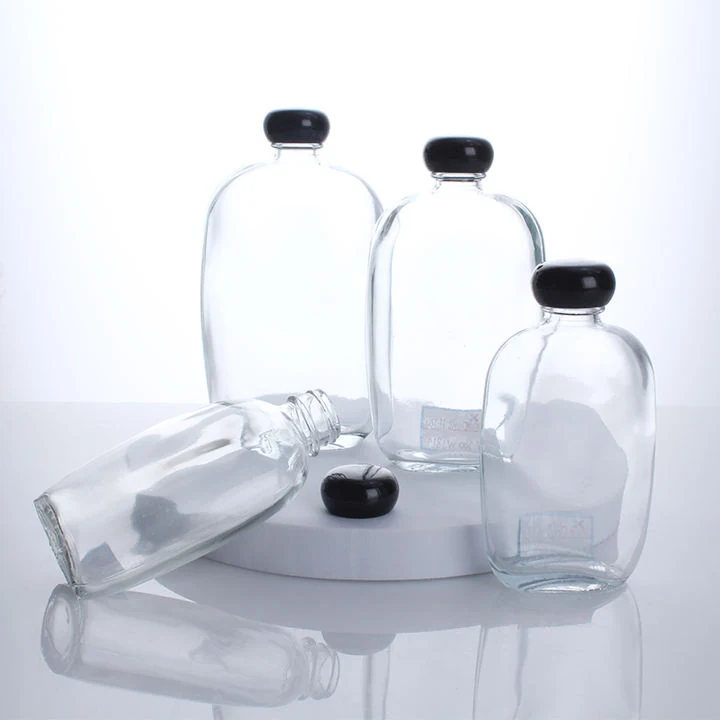
The exhibition focuses on packaging technology, manufacturing equipment, and supply chain innovation. Glass bottle manufacturers use the event to introduce new packaging solutions.
| Thousands of visitors attend the event, including manufacturers, distributors, and industrial buyers. Companies often establish long-term partnerships during the exhibition. | Event | Date | Location | Highlights |
|---|---|---|---|---|
| N’Djamena International Trade Fair | Annual | N’Djamena, Chad | Regional trade and industry exhibition | |
| Propak Africa | Annual | Johannesburg, South Africa | Packaging technology and innovation |
Part 4: Impact of Global Trade Policies
Global trade policies significantly influence the glass bottle supply chain in Chad. Because the country depends heavily on imports, tariffs, trade agreements, and regional cooperation frameworks shape the availability and cost of packaging materials. International trade routes determine how easily manufacturers and distributors can supply glass bottles to local industries.

Chad participates in several regional economic organizations, including the Economic and Monetary Community of Central Africa. These agreements promote cross-border trade and industrial cooperation.
For packaging suppliers, these policies help reduce barriers when importing bottles from neighboring countries. This improves access to packaging materials for beverage and food producers.
However, global competition remains strong. Large glass manufacturing countries operate large-scale production facilities that benefit from lower production costs.
Supply Chain Considerations
Glass bottle manufacturing requires several essential raw materials. Silica sand, soda ash, and limestone must be available in consistent quantities.
Energy supply also plays a major role in manufacturing costs. Glass furnaces operate continuously at extremely high temperatures.
| Policy Factor | Industry Impact | Manufacturer Response |
|---|---|---|
| Regional trade agreements | Easier cross-border trade | Regional supply networks |
| Energy costs | High production expenses | Efficiency improvements |
| Import tariffs | Price fluctuations | Supplier diversification |
| Environmental policy | Recycling initiatives | Sustainable packaging |
Packaging suppliers often respond by strengthening logistics networks and maintaining multiple supply sources. This approach helps ensure stable bottle availability for beverage producers.
Sustainability Trends
Environmental awareness is increasing across global packaging industries. Many companies now prefer recyclable materials and environmentally friendly production methods.
Glass packaging offers several sustainability advantages. It is recyclable, chemically stable, and reusable in many applications.
Manufacturers and distributors are gradually adopting recycling systems to collect and reuse glass bottles. These programs reduce waste while improving the environmental profile of packaging supply chains.
Part 5: Conclusion
The glass bottle supply sector in Chad remains small and relies heavily on regional trade networks. Beverage companies, food processors, and pharmaceutical distributors create steady demand for glass packaging. As the country continues to develop its industrial base, opportunities for local packaging production may gradually increase.
However, the industry faces several challenges, including limited manufacturing infrastructure, energy supply constraints, and logistics complexity. Companies that strengthen regional supply partnerships and invest in efficient distribution systems will remain competitive. Over time, improvements in infrastructure and trade cooperation may support further development of the glass packaging sector in Chad.