Skip to content
Part 1: Market Size and Growth
Djibouti has a relatively small manufacturing sector, yet its strategic location makes it an important logistics hub in East Africa. The country sits near key maritime trade routes linking Africa, the Middle East, and Asia. Because of this position, packaging demand in Djibouti is closely tied to trade, beverage imports, and the hospitality industry. Glass bottles are commonly used for beverages, sauces, and specialty food products.

Tourism and hospitality create steady demand for bottled drinks in hotels, restaurants, and cafes. Imported beverages, mineral water, and local drink brands rely on glass packaging because it maintains taste and preserves product quality. Glass also presents a premium appearance, which is important for beverages served in restaurants and tourist venues.
Government investment in port infrastructure and logistics has strengthened Djibouti’s role as a regional trade center. This development increases the movement of packaged goods through the country, including glass containers and bottled beverages. As regional trade grows, packaging demand in Djibouti is expected to remain stable and gradually expand.
Market Drivers and Industry Structure
Djibouti’s packaging demand is influenced by several industries. Beverage imports represent a large share of glass bottle consumption. Many international brands distribute their products through Djibouti’s ports and regional trade routes.
The food processing sector also contributes to demand for glass containers. Sauces, condiments, and preserved foods often rely on glass packaging because it protects flavor and extends shelf life.
Key Demand Segments
| Segment | Typical Products | Packaging Needs |
|---|---|---|
| Beverage Imports | Soft drinks, mineral water | Standard glass beverage bottles |
| Hospitality | Restaurants and hotels | Beverage bottles for service |
| Food Processing | Sauces and condiments | Glass jars and bottles |
| Regional Trade | Exported beverages | Durable transport packaging |
Djibouti’s small population means domestic demand alone does not drive the packaging market. Instead, the country benefits from its role as a regional trade gateway. Products arriving through Djibouti often move onward to Ethiopia and other East African markets.
Logistics infrastructure therefore plays a major role in the glass bottle supply chain. Warehousing, port facilities, and transport networks help maintain steady movement of packaging materials.
Environmental awareness is also increasing in the region. Governments and businesses are gradually promoting recycling and waste management initiatives. Glass bottles support these efforts because they can be recycled without losing quality.
Although Djibouti does not have many large glass factories, the demand for bottles continues through imports and regional distribution networks. Businesses involved in logistics, beverage production, and hospitality all rely on reliable packaging supply.
Part 2: Leading Companies
Djibouti Bottling Company

Djibouti Bottling Company is one of the key beverage producers in the country. The company focuses on manufacturing and distributing carbonated drinks and bottled beverages. Its operations create consistent demand for glass bottle packaging within the local beverage market.
The company produces a variety of soft drinks that are distributed through supermarkets, convenience stores, and hospitality venues. Glass bottles are widely used because they preserve carbonation and maintain product freshness.
Djibouti Bottling Company supplies beverages to restaurants, hotels, and retailers across the country. This distribution network requires reliable bottle supply and efficient packaging operations.
Innovation efforts within the company often focus on packaging efficiency and production reliability. Strong bottles, consistent dimensions, and stable supply chains are essential for maintaining smooth bottling processes.
Société Djiboutienne de Boissons (SDB)

Société Djiboutienne de Boissons is a beverage company involved in the production and distribution of drinks within Djibouti. The company has built a reputation for supplying beverages to both local consumers and hospitality businesses. Glass bottle packaging remains an important part of its production strategy.
The company produces several types of beverages, including carbonated drinks and bottled refreshments. Glass containers are commonly used because they maintain beverage quality and provide a traditional presentation that consumers trust.
SDB serves industries such as hospitality, retail beverage distribution, and food service. Hotels and restaurants across Djibouti depend on reliable beverage supply, which increases the need for durable glass packaging.
The company also focuses on improving production efficiency. Packaging processes are designed to maintain consistent product quality while supporting large-scale beverage distribution.
East Africa Packaging Supply Ltd.
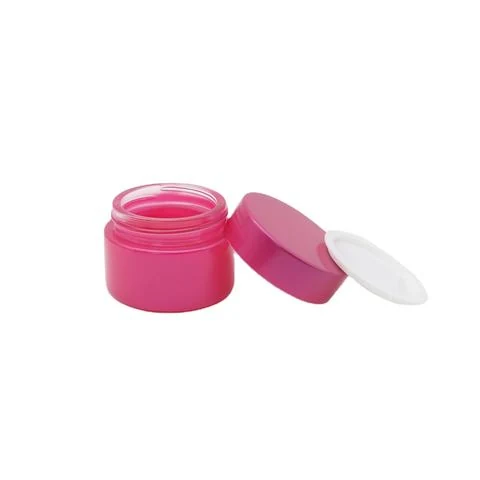
East Africa Packaging Supply Ltd. operates as a regional distributor of packaging materials, including glass bottles and containers. The company supplies businesses in Djibouti and neighboring countries with essential packaging products. Regional distributors play a key role because Djibouti has limited domestic glass manufacturing capacity.
The company provides glass containers used in beverage production, food processing, and hospitality supply. Many of these containers are imported from larger manufacturing facilities in nearby countries.
East Africa Packaging Supply works closely with distributors and beverage producers to ensure reliable bottle availability. Efficient logistics and inventory management help maintain stable supply for local businesses.
Innovation within the company often focuses on logistics efficiency. By coordinating shipping schedules and regional distribution networks, the company helps reduce delays and maintain steady product flow.
Industry Supply Chain Structure
Djibouti’s glass bottle market depends on a combination of imports, regional suppliers, and local beverage producers. Manufacturing, distribution, and logistics each play an important role in maintaining stable supply.
Supply Chain Overview
| Stage | Role in the Industry |
|---|---|
| Glass Manufacturing | Large factories in Africa or Asia |
| Import & Distribution | Regional logistics providers |
| Beverage Production | Bottling and packaging |
| Hospitality & Retail | Final consumption |
Because Djibouti serves as a logistics hub, many packaging materials arrive through its ports before moving to regional markets. Warehousing facilities allow distributors to store bottles before delivering them to beverage companies.
Bottle design is also influenced by refillable systems used in some African markets. Strong glass containers allow beverages to be bottled, returned, cleaned, and reused multiple times.
Reliable logistics is therefore essential. Shipping schedules, port handling, and regional transport networks all influence packaging availability.
| Company | Founded | Core Products | Industries | Certifications |
|---|---|---|---|---|
| Djibouti Bottling Company | 20th century | Soft drink bottles | Beverage production | Beverage quality standards |
| Société Djiboutienne de Boissons | 1990s | Bottled beverages | Hospitality & retail | Manufacturing compliance |
| East Africa Packaging Supply Ltd. | 2000s | Glass bottles and jars | Food & beverage packaging | Supply chain standards |
Part 3: Trade Shows and Industry Events
Industry events in East Africa and the Middle East provide opportunities for packaging suppliers to connect with beverage companies and distributors. These exhibitions allow companies to showcase packaging technologies, materials, and supply solutions. Glass bottle suppliers often use these events to demonstrate durability, design options, and sustainability advantages.

Djibouti International Trade Fair
The Djibouti International Trade Fair is an important event that promotes trade and investment in the country. Companies from various industries participate, including logistics, manufacturing, and consumer goods.
The event typically takes place in Djibouti City and attracts regional businesses, investors, and government representatives. Beverage companies and packaging suppliers attend to explore distribution opportunities.
One highlight of the fair is its focus on regional trade cooperation. Djibouti’s role as a logistics hub encourages companies to establish partnerships that support cross-border commerce.
East Africa Food & Beverage Expo
The East Africa Food & Beverage Expo brings together companies involved in food processing, beverage production, and packaging technology. The exhibition provides a platform for businesses to present new equipment and packaging solutions.
The event usually rotates between major cities in East Africa. Participants include beverage producers, packaging suppliers, and equipment manufacturers.
One major highlight is the demonstration of modern bottling technology and sustainable packaging materials. Glass bottles often receive attention because they provide both durability and recyclability.
| Event | Date | Location | Highlights |
|---|---|---|---|
| Djibouti International Trade Fair | Annual | Djibouti City | Regional trade networking |
| East Africa Food & Beverage Expo | Annual | East African cities | Beverage and packaging innovation |
Part 4: Impact of Global Trade Policies
Global trade policies strongly influence Djibouti’s packaging industry because the country relies heavily on imports. Tariffs, shipping regulations, and international logistics costs all affect the price and availability of glass bottles. Changes in trade policy can therefore directly influence beverage production costs.

Regional trade agreements within East Africa support cross-border commerce. These agreements help reduce barriers for goods moving between neighboring countries. Packaging suppliers benefit because they can distribute glass containers more easily across multiple markets.
Environmental policies are also shaping packaging trends. Governments and businesses increasingly encourage recyclable materials to reduce waste. Glass bottles support these efforts because they can be reused and recycled without losing quality.
Shipping and logistics disruptions remain potential risks. Rising fuel costs, port congestion, or transportation delays can affect packaging availability. Businesses often address these challenges by maintaining inventory reserves and working with multiple suppliers.
At the same time, Djibouti’s strategic location creates opportunities. The country’s ports handle large volumes of international trade, which increases demand for packaging materials used in food and beverage distribution.
Part 5: Conclusion
Djibouti’s glass bottle market is shaped by trade, logistics, and the beverage industry. Hotels, restaurants, and beverage distributors rely on glass packaging to maintain product quality and provide attractive presentation. Although domestic glass manufacturing is limited, regional suppliers and imports ensure that demand is met.
The industry still faces challenges such as transportation costs and reliance on external supply chains. Companies that build strong logistics networks and reliable supplier partnerships will remain competitive. As Djibouti continues to grow as a regional trade hub, demand for glass bottle packaging is likely to remain steady in the coming years.