Skip to content

Part 1: Market Size and Growth
Ecuador’s glass bottle industry plays an important role in the country’s beverage, food processing, and pharmaceutical sectors. Although Ecuador is not one of the largest glass manufacturing nations, it maintains a stable packaging supply for domestic brands and regional exports. Glass bottles remain a preferred packaging option because they preserve flavor, protect product purity, and support recyclable packaging goals.
The beverage industry drives most of the demand for glass bottles in Ecuador. Beer, carbonated drinks, fruit juices, and traditional beverages rely heavily on glass packaging. Glass containers maintain product freshness and help create a premium brand image for both domestic and export markets.
Government policies related to recycling and environmental protection also influence packaging choices. Ecuador has introduced programs that encourage recycling and sustainable production practices. Glass packaging benefits from these initiatives because it can be recycled repeatedly without losing quality. As sustainability awareness increases, glass containers continue to hold a strong position in the country’s packaging industry.
Demand Drivers in Ecuador’s Glass Bottle Market
The growth of Ecuador’s packaging industry is closely tied to the development of its food and beverage sectors. As consumer demand increases, manufacturers require packaging materials that can protect products while supporting long transportation distances.
| Market Driver | Impact on Glass Bottle Demand |
|---|---|
| Beverage industry expansion | Increased demand for beer and soft drink bottles |
| Food processing growth | More glass jars for sauces and preserved foods |
| Pharmaceutical industry development | Demand for medicine bottles and laboratory containers |
| Export agriculture | Packaging for specialty food products |
The beverage sector remains the largest consumer of glass bottles in Ecuador. Breweries and soft drink producers depend on durable bottles that can withstand filling, storage, and transportation processes.
Food processing companies also contribute to glass packaging demand. Ecuador exports products such as sauces, fruit preserves, and specialty foods. Glass jars are often chosen because they preserve flavor and maintain product quality over long shipping distances.
The pharmaceutical sector also requires glass containers for medicine bottles and laboratory equipment. Glass offers chemical stability and does not react with sensitive ingredients.
Sustainability trends are also shaping the industry. Many companies now prioritize recyclable packaging materials to reduce environmental impact. Glass bottles align well with these goals because they can be reused and recycled many times.
Part 2: Leading Companies
O-I Ecuador
O-I Ecuador is one of the most important glass bottle manufacturers in the country. The company is part of the global O-I Glass network, a major producer of glass containers worldwide. Its operations in Ecuador supply bottles to beverage and food industries across the region.
The company produces glass bottles for beer, soft drinks, spirits, and food products. Its production facilities rely on advanced furnace systems and automated forming machines that support large-scale bottle manufacturing.
Industries served include breweries, beverage companies, and food processors. Many major beverage brands rely on O-I Ecuador for consistent packaging supply.
The company focuses on sustainability and innovation. It integrates recycled glass materials into production and invests in energy-efficient furnace technologies.
O-I Ecuador operates under international quality standards and environmental certifications that support responsible manufacturing.
Cristalería del Ecuador
Cristalería del Ecuador is a well-known domestic glass container manufacturer. The company has developed strong relationships with Ecuadorian beverage and food producers.
Its product portfolio includes beer bottles, beverage containers, and glass jars used for food packaging. The company operates production lines designed for high-volume manufacturing.
Industries served include brewing, beverage bottling, and food processing. The company supplies packaging to both domestic brands and regional export companies.
Cristalería del Ecuador focuses on improving bottle durability and production efficiency. Investments in modern equipment allow the company to maintain consistent product quality.
The company has obtained manufacturing certifications that demonstrate compliance with international packaging standards.
Envases del Litoral
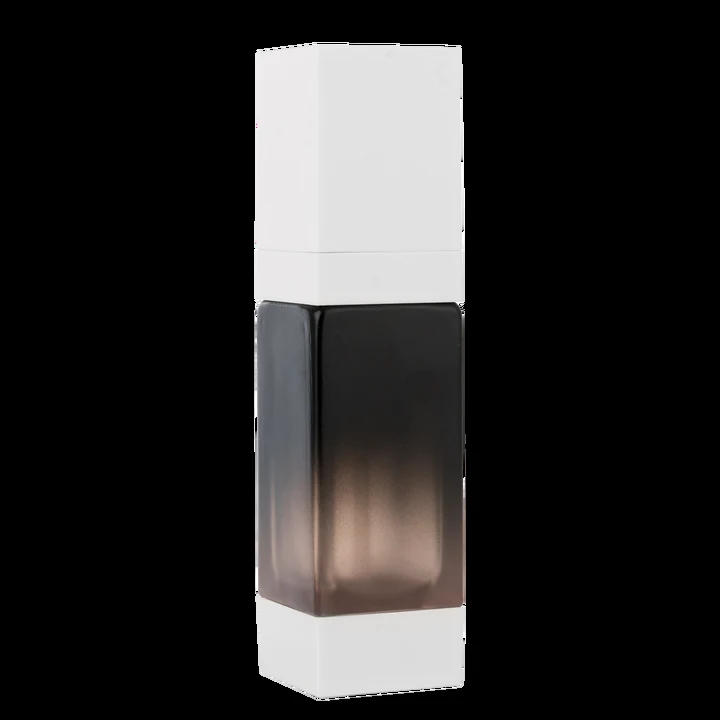
Envases del Litoral is another important participant in Ecuador’s packaging sector. The company specializes in glass containers for food and beverage products.
Its product range includes glass jars, beverage bottles, and specialty containers for sauces and preserved foods. These containers are designed to maintain product freshness and durability.
Industries served include food processing companies, beverage producers, and agricultural exporters. These industries require reliable packaging solutions for both domestic markets and international shipping.
Envases del Litoral focuses on improving packaging design and container durability. Lightweight bottle designs help reduce transportation costs while maintaining strength.
The company also works on recycling initiatives that increase the use of recycled glass in manufacturing.
Company Comparison
| Company | Founded | Core Products | Industries | Certifications |
|---|---|---|---|---|
| O-I Ecuador | 20th century | Beverage bottles and glass containers | Beverage, food processing | Global quality and sustainability certifications |
| Cristalería del Ecuador | 1970s | Beer bottles and glass jars | Beverage and food industries | ISO manufacturing standards |
| Envases del Litoral | 1990s | Glass containers and jars | Food processing and exports | Packaging quality certifications |
Industry Structure in Ecuador’s Glass Bottle Market
Ecuador’s glass bottle industry consists of a small number of large manufacturers and several smaller packaging companies. Glass production requires significant investment in furnaces, raw materials, and specialized equipment, which limits the number of manufacturers.
Large manufacturers dominate the beverage packaging sector because breweries require consistent bottle supply. These companies operate high-capacity production lines capable of producing millions of bottles annually.
Smaller packaging companies focus on niche markets such as food jars, specialty containers, and customized glass packaging. These companies often offer more flexibility in bottle design and smaller production runs.
Quality control is extremely important in glass bottle manufacturing. Bottles must maintain precise thickness, strength, and shape to ensure compatibility with automated filling lines used by beverage companies.
Sustainability initiatives are also becoming more important. Manufacturers are increasing the use of recycled glass materials, known as cullet, which reduces energy consumption and lowers production costs.
Ecuador’s glass bottle industry benefits from its strong beverage sector and growing food export market. These industries continue to require reliable packaging solutions.
Part 3: Trade Shows and Industry Events
Expoalimentaria Ecuador
Expoalimentaria Ecuador is one of the country’s major trade exhibitions for the food and beverage industry. The event connects food producers, packaging suppliers, and international buyers.
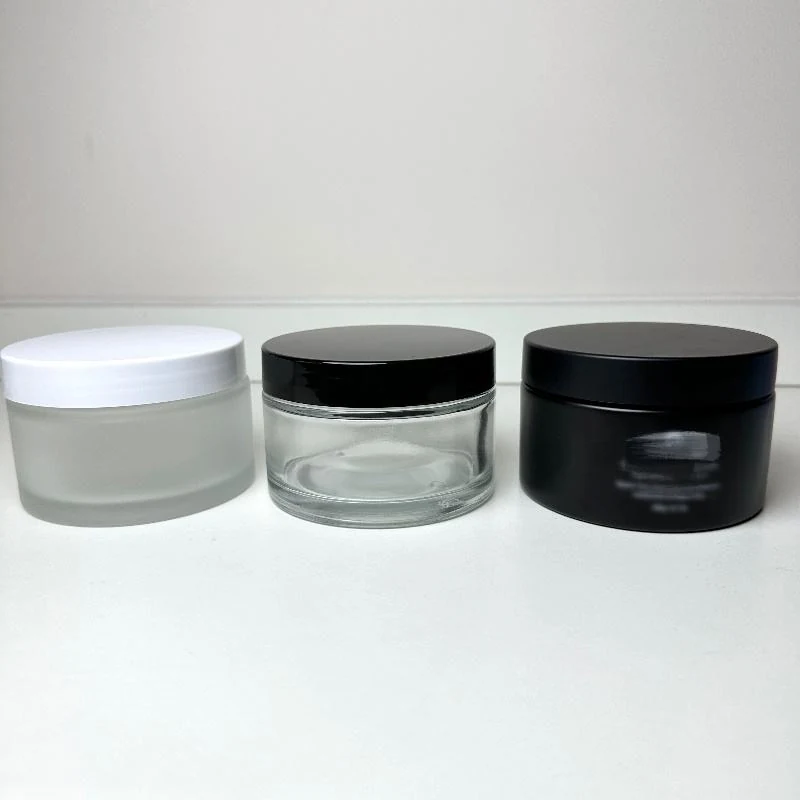
The exhibition takes place in Guayaquil and attracts companies from across Latin America. Food manufacturers attend the event to explore packaging options, ingredients, and export opportunities.
Glass bottle manufacturers participate in the exhibition to showcase packaging solutions for beverages, sauces, and specialty foods.
Andina Pack (Regional Participation)
Andina Pack is a major packaging and processing exhibition held in the Andean region. Companies from Ecuador often participate to explore new packaging technologies and materials.
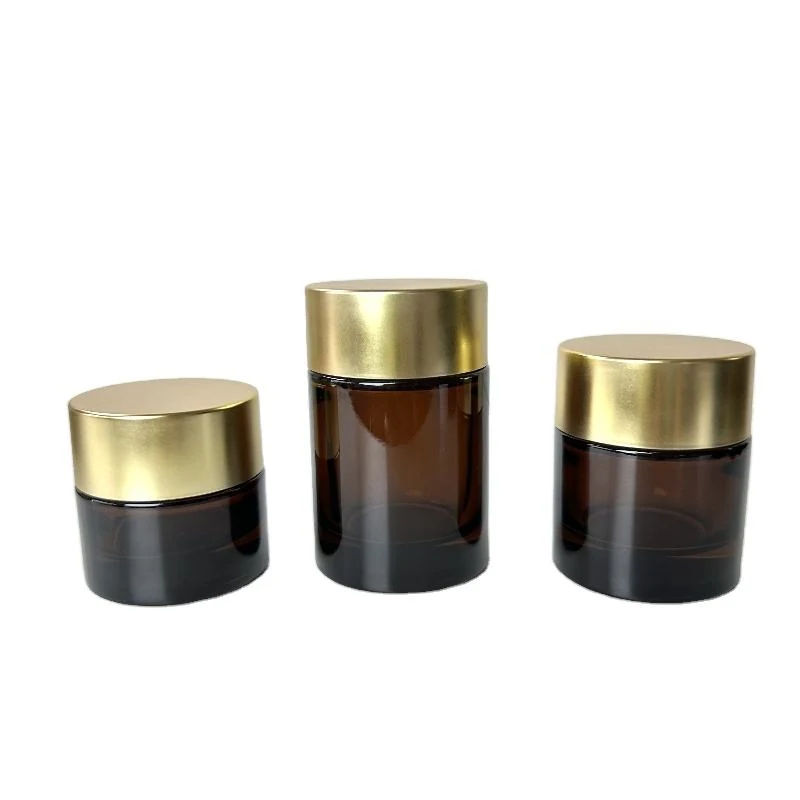
The exhibition brings together packaging manufacturers, machinery suppliers, and food processing companies. Glass packaging suppliers attend to connect with beverage and food brands.
These events help companies learn about new manufacturing technologies and sustainability practices.
Industry Event Summary
| Event | Date | Location | Highlights |
|---|---|---|---|
| Expoalimentaria Ecuador | Annual | Guayaquil | Food industry and packaging solutions |
| Andina Pack | Biennial | Bogotá (regional event) | Packaging technology and innovation |
Part 4: Impact of Global Trade Policies
Global trade policies influence Ecuador’s glass bottle manufacturing industry in several ways. The country exports agricultural products, beverages, and processed foods that require reliable packaging materials. Glass bottles help maintain product quality during long-distance shipping.
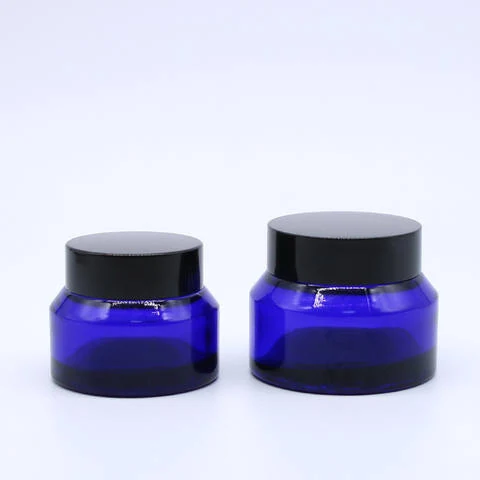
Trade agreements with regional partners create opportunities for Ecuadorian exporters. Reduced tariffs allow food and beverage products to enter new markets more easily.
However, supply chain challenges can affect glass production. Raw materials such as silica sand, soda ash, and limestone may be affected by global price fluctuations.
Energy costs also influence glass manufacturing because furnaces require continuous high-temperature operation.
Raw Material Supply and Production Stability
Glass bottle production relies on several essential raw materials. Silica sand forms the main ingredient, while soda ash and limestone help control melting temperature and chemical composition.
Ecuador has access to some domestic raw materials, but manufacturers may still import certain materials depending on quality requirements.
Manufacturers must manage supply chains carefully to ensure stable production. Long-term supplier relationships help reduce the risk of shortages.
Energy efficiency is another major concern for glass producers. Glass furnaces consume large amounts of energy. New furnace technologies aim to reduce energy use while maintaining consistent melting temperatures.
Opportunities in Food Export Packaging
Ecuador’s agricultural export sector creates strong opportunities for the glass bottle industry. Products such as sauces, fruit preserves, and specialty foods often require durable glass containers.
Premium packaging helps exporters position their products in international markets. Glass bottles and jars provide both durability and visual appeal.
Food exporters often choose glass packaging because it preserves product quality and supports sustainable branding.
Manufacturers that invest in efficient production technology and innovative container designs will benefit from Ecuador’s expanding export economy.
Part 5: Conclusion
Ecuador’s glass bottle manufacturing industry supports several key sectors, including beverages, food processing, and pharmaceuticals. Although the country’s production capacity is smaller than that of major industrial nations, it provides reliable packaging supply for domestic brands and exporters. Glass containers remain widely used because they preserve product quality and align with sustainability goals.
At the same time, manufacturers must manage challenges such as energy costs, raw material supply fluctuations, and international competition. Continued investment in modern production technology and recycling systems will strengthen the industry’s long-term competitiveness. As Ecuador’s food and beverage exports continue to grow, demand for durable and sustainable glass packaging is expected to remain strong.