Skip to content

Part 1: Market Size and Growth
Greece has a long history in food, beverage, and olive oil production, and these industries create steady demand for glass packaging. Glass bottles remain a preferred packaging solution because they protect flavor, preserve product quality, and support premium product positioning. From wine and spirits to olive oil and specialty foods, many Greek products rely on glass containers for both domestic sales and exports.
The wine industry plays an important role in the country’s glass bottle market. Greece produces a wide range of traditional wines that are sold both locally and internationally. Many wineries choose glass bottles because they protect wine during storage and transport while also helping communicate brand identity through bottle design.
Olive oil production is another major driver of glass bottle demand. Greece is one of the world’s largest producers of olive oil, and premium olive oil brands often use glass bottles to maintain product quality and highlight visual clarity. Glass packaging also allows producers to present high-end products in export markets where presentation and packaging quality strongly influence consumer perception.
The country’s food industry also contributes to the growth of the glass packaging sector. Products such as honey, sauces, pickled vegetables, and gourmet foods are commonly packaged in glass jars. Many Greek food companies choose glass containers because they preserve flavor and support sustainable packaging practices.
Environmental awareness has also increased the popularity of glass packaging. Greece follows European Union sustainability regulations, which encourage recycling and the use of environmentally friendly materials. Because glass can be recycled repeatedly without losing quality, it aligns well with these environmental goals.
Overall, the Greek glass bottle market continues to grow alongside the country’s food, beverage, and export industries. Local manufacturers and international suppliers work together to meet the packaging needs of wineries, food producers, and beverage companies.
Part 2: Leading Companies
The glass bottle manufacturing sector in Greece includes both domestic producers and international packaging groups. These companies supply containers to industries such as wine, spirits, olive oil, pharmaceuticals, and food production. Their focus is on maintaining high product quality while supporting the packaging needs of export-oriented businesses.
Yioula Glassworks
Yioula Glassworks has long been one of the most well-known glass container manufacturers connected with Greece. The company developed strong operations in glass packaging for food and beverage products and built a reputation for reliable manufacturing capacity. Its experience in glass container production allowed it to serve customers across multiple European markets.
The company’s production portfolio includes glass bottles for beverages as well as jars for food packaging. These containers are used by industries such as wine, olive oil, sauces, and dairy products. Many Greek food producers rely on glass packaging because it helps preserve product quality and supports premium branding.
Yioula has historically invested in modern glass production technologies. Automated forming machines and advanced furnace systems help ensure that bottles maintain consistent dimensions and strength. This consistency is important for producers that rely on automated filling lines.
Another important aspect of the company’s strategy has been sustainability. Glass recycling and energy-efficient production methods help reduce environmental impact. By incorporating recycled glass into production, manufacturers can reduce energy consumption and improve production efficiency.
The company’s experience in regional markets also helped it develop expertise in export-oriented packaging solutions. Many food and beverage producers require packaging that meets strict European standards for safety and quality.
BA Glass Greece
BA Glass Greece operates as part of the international BA Glass Group, one of the major glass container manufacturers in Europe. The company maintains operations that support beverage and food industries throughout Southern Europe. Its presence in Greece connects local packaging demand with the capabilities of a large international glass manufacturer.
The company produces glass containers for industries such as wine, beer, spirits, and food packaging. Its production lines are designed to support large-scale manufacturing while maintaining high product quality. Automated forming systems and strict quality inspection processes ensure that each bottle meets industry standards.
BA Glass also focuses on lightweight glass bottle technology. Lightweight containers reduce raw material consumption and lower transportation costs, which is especially important for export-oriented industries such as wine and olive oil.
Sustainability initiatives play a significant role in the company’s operations. Recycling programs and energy-efficient furnaces help reduce environmental impact while maintaining production capacity. These initiatives align with European Union environmental policies that encourage sustainable manufacturing practices.
Because the company operates within a large international network, it also benefits from advanced research and development capabilities. This allows BA Glass to develop innovative packaging designs that meet evolving market demands.
Verallia Greece
Verallia Greece operates as part of the global Verallia group, which specializes in glass container manufacturing for beverage and food industries. The company provides glass packaging solutions that support many European wine and spirits producers. Its expertise in bottle design and sustainable manufacturing makes it an important supplier in the region.
The company manufactures a wide range of glass containers including wine bottles, spirits bottles, and food jars. Greek wineries and olive oil producers often require customized bottle shapes that reflect their brand identity. Verallia works with customers to develop packaging designs that enhance product presentation.
Modern production technology is a key part of the company’s manufacturing strategy. Automated inspection systems monitor bottle quality during production to detect defects and maintain consistent product standards.
Sustainability is also central to the company’s operations. The use of recycled glass materials and energy-efficient production systems helps reduce environmental impact. These practices align with the increasing demand for environmentally responsible packaging in global markets.
The company also collaborates closely with beverage and food producers during product development. This collaboration helps ensure that packaging solutions meet both functional and marketing requirements.
| Company | Founded | Core Products | Industries | Certifications |
|---|---|---|---|---|
| Yioula Glassworks | 1947 | Food jars, beverage bottles | Food, beverage, dairy | European quality standards |
| BA Glass Greece | Global group expansion | Wine bottles, beer bottles, food jars | Wine, beer, food | ISO and EU standards |
| Verallia Greece | International group operations | Wine and spirits bottles | Wine, spirits, olive oil | Environmental certifications |
Part 3: Trade Shows and Industry Events
Trade exhibitions play an important role in connecting packaging manufacturers with producers in the food and beverage industries. These events provide opportunities for companies to present new packaging technologies and develop partnerships with producers. Glass bottle manufacturers often attend these exhibitions to demonstrate new bottle designs and sustainable packaging solutions.
Oenorama Wine Exhibition
Oenorama is one of the largest wine exhibitions in Greece and attracts wineries, distributors, and industry professionals from around the world. The event focuses primarily on wine production and tasting, but packaging suppliers also participate to showcase solutions for wineries. Glass bottle manufacturers use the event to connect with wine producers looking for distinctive bottle designs.
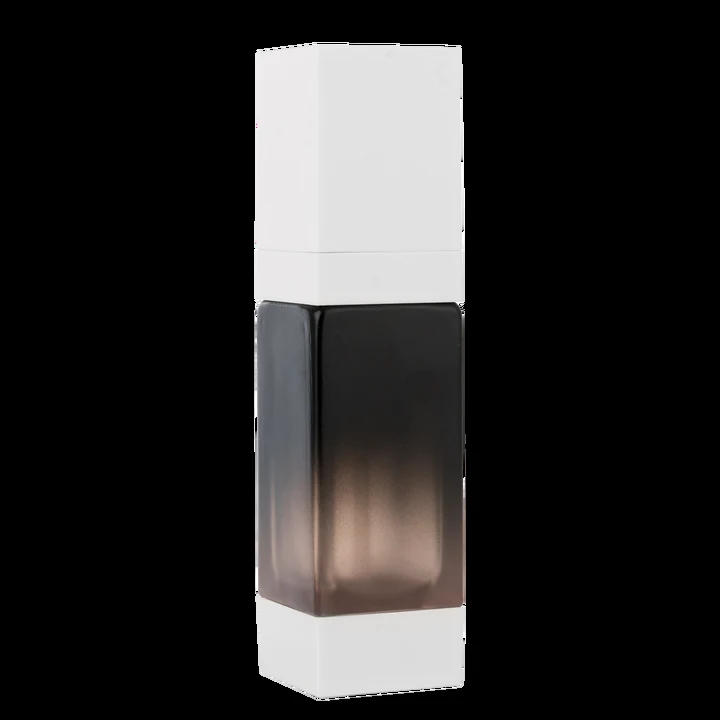
The exhibition typically takes place in Athens and attracts thousands of visitors each year. Wineries present their products while suppliers showcase technologies and materials used in wine production.
Packaging design is an important topic during the event because bottle shape and presentation influence consumer perception of wine quality. Manufacturers often present new bottle styles and decoration techniques that enhance product presentation.
The exhibition also hosts discussions about sustainability and innovation in the wine industry. Topics such as lightweight bottles and recycled glass are increasingly important for producers who want to reduce environmental impact.
Food Expo Greece
Food Expo Greece is one of the largest food and beverage exhibitions in Southeastern Europe. The event brings together producers, distributors, and packaging suppliers from across the region. Glass container manufacturers attend the exhibition to present packaging solutions for food products, olive oil, and beverages.
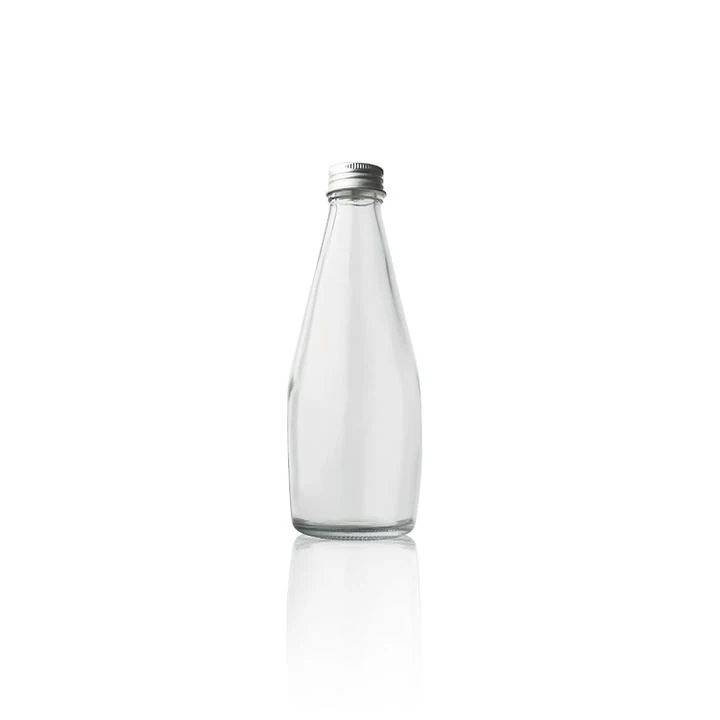
The exhibition takes place annually in Athens and attracts thousands of industry professionals. Food producers use the event to explore new packaging options that support product quality and branding.
Glass packaging is particularly relevant for premium food products such as olive oil, honey, and gourmet sauces. The transparency and durability of glass help maintain product quality while allowing consumers to see the contents.
The event also features seminars and discussions about food safety, export strategies, and packaging innovation. These sessions help companies understand evolving consumer preferences and regulatory requirements.
| Event | Date | Location | Highlights |
|---|---|---|---|
| Oenorama Wine Exhibition | Annual | Athens, Greece | Major wine industry exhibition |
| Food Expo Greece | Annual | Athens, Greece | Large food and beverage trade exhibition |
Part 4: Impact of Global Trade Policies
Global trade policies influence Greece’s glass bottle manufacturing sector because many of the country’s food and beverage products are exported internationally. Wine, olive oil, and specialty food exports depend on reliable packaging that meets international standards.
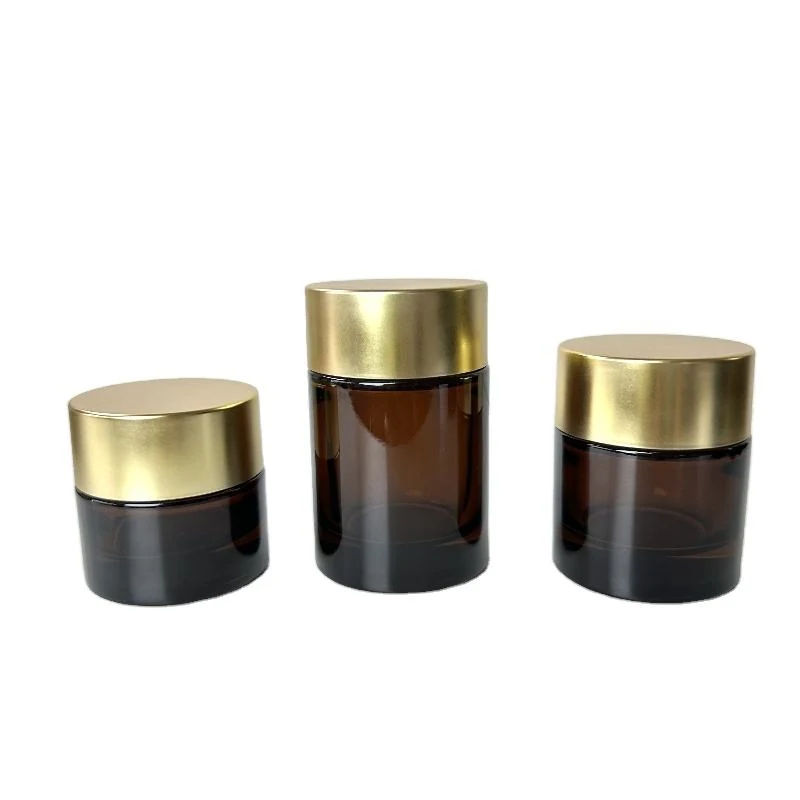
European Union trade agreements play a key role in supporting exports. These agreements help Greek producers access international markets while maintaining consistent regulatory standards for packaging materials.
Energy prices also affect glass production because furnaces require large amounts of heat to melt raw materials. Fluctuations in energy costs can influence production expenses for glass manufacturers.
Another factor shaping the industry is competition from alternative packaging materials such as aluminum cans and plastic containers. Some beverage producers experiment with these materials to reduce costs or weight. However, glass remains the preferred option for premium wines and olive oil because it preserves flavor and enhances brand image.
Regional trade within Europe also supports the growth of glass packaging demand. Many Greek products are exported to neighboring European countries, which creates additional demand for glass bottles and jars produced by local manufacturers.
Part 5: Conclusion
Greece’s glass bottle manufacturing industry is closely connected to the country’s food and beverage economy. Wine, olive oil, and gourmet foods rely heavily on glass packaging to maintain quality and support premium branding. Manufacturers continue to invest in advanced production technologies and sustainable manufacturing practices to meet the needs of export markets.
At the same time, the industry must manage challenges such as energy costs and competition from alternative packaging materials. Companies that focus on innovation, recycling, and collaboration with food and beverage producers will remain competitive. As Greece continues to expand its presence in global food and wine markets, demand for high-quality glass bottles is expected to remain strong.