Skip to content
Part 1: Market Size and Growth
The glass bottle industry in India has grown fast during the past decade. Rising consumption in beverages, pharmaceuticals, and packaged foods keeps pushing demand higher each year. Glass remains one of the most trusted packaging materials because it is recyclable, safe, and premium in appearance. Many brands choose glass to build stronger product identity and improve shelf appeal.
India’s packaging market is expanding with urbanization and lifestyle changes. Alcohol, craft beverages, cold brew coffee, and health drinks are now widely sold in glass bottles. Pharmaceutical companies also prefer glass because it protects sensitive liquids and medicines. As a result, bottle manufacturers continue to expand production capacity and invest in new furnaces and forming lines.

Government policies and industry investment also shape the market. Several Indian states support glass manufacturing through industrial zones and export incentives. At the same time, sustainability rules encourage the use of recyclable packaging materials. This shift pushes many companies to replace plastic packaging with glass containers. Large industrial clusters in Gujarat, Rajasthan, and Uttar Pradesh now host many glass factories and supply chains.
Market Expansion Drivers
Several factors explain the strong growth of the glass bottle sector in India. The beverage industry remains the largest driver. Beer, wine, spirits, and soft drinks all rely heavily on glass containers. Craft beverage brands also prefer glass bottles because they create a premium brand image.
Another factor is pharmaceutical production. India is one of the world’s largest producers of generic medicines. This industry requires high-quality glass bottles and vials for liquid drugs, syrups, and injections. Pharmaceutical packaging requires strict standards and consistent quality, which creates strong demand for reliable glass manufacturers.
The rise of food processing also supports bottle demand. Sauces, cooking oils, condiments, and ready-to-drink beverages often use glass containers for safety and flavor protection. Consumers often associate glass packaging with higher quality and healthier products.
Sustainability and Circular Economy
Glass packaging fits well with the global push for sustainability. Glass can be recycled many times without losing quality. This advantage helps companies reduce waste and improve environmental performance.
Many manufacturers in India now use recycled glass, also called cullet, in their production process. Using cullet lowers energy consumption and reduces raw material use. Several factories have also invested in energy-efficient furnaces and emission control technologies.
Brands and retailers also support this trend. Beverage companies and food brands often highlight glass packaging as an eco-friendly choice. This shift makes glass bottles more competitive compared with plastic and aluminum packaging.
Regional Manufacturing Clusters
Glass bottle production in India is concentrated in several key regions. Gujarat is one of the largest manufacturing centers. The region offers strong infrastructure, easy port access, and a well-developed industrial ecosystem.
Rajasthan also hosts many glass plants because it has abundant silica sand resources. Access to raw materials reduces transportation costs and supports large-scale production.
Uttar Pradesh remains another important cluster, especially for pharmaceutical glass packaging. The state has a long history of glass manufacturing and skilled workers.
These clusters create strong supply chains that include raw material suppliers, furnace builders, mold makers, and packaging logistics providers. Over time, this network strengthens the entire glass manufacturing industry.
Part 2: Leading Companies
Hindusthan National Glass & Industries Limited
Hindusthan National Glass & Industries Limited, often known as HNG, is one of the oldest glass container manufacturers in India. The company was founded in 1946 and built a strong presence across the country with multiple production plants. Its long history and large capacity make it a major supplier to beverage and pharmaceutical companies.
The company produces a wide range of glass containers including liquor bottles, beer bottles, food jars, and pharmaceutical packaging. Its manufacturing network allows large-scale production with consistent quality. Many multinational beverage brands rely on the company’s bottles for high-volume supply.
HNG serves industries such as alcoholic beverages, soft drinks, packaged foods, and pharmaceuticals. The company continues to modernize its facilities by installing advanced furnace technology and automated inspection systems. These upgrades improve production efficiency and reduce defect rates.
The company has received several industry certifications and quality recognitions. These certifications ensure compliance with international packaging standards and help the company expand into export markets.
AGI Greenpac Limited
AGI Greenpac Limited is another major player in the Indian glass packaging sector. The company has developed a reputation for combining packaging technology with sustainability goals. Its product portfolio covers glass containers, specialty packaging, and eco-friendly solutions for many industries.
The company manufactures bottles and jars used in alcohol, beverages, pharmaceuticals, and food products. Its production facilities use modern glass forming machines and automated quality control systems. These technologies help maintain consistent thickness, clarity, and strength in every bottle.
AGI Greenpac also focuses on lightweight bottle design. Lighter bottles reduce raw material consumption and transportation costs. This approach supports sustainability while maintaining structural strength.
The company’s customers include large beverage producers and pharmaceutical manufacturers. It has received several certifications related to quality management, environmental systems, and food safety standards.
Piramal Glass
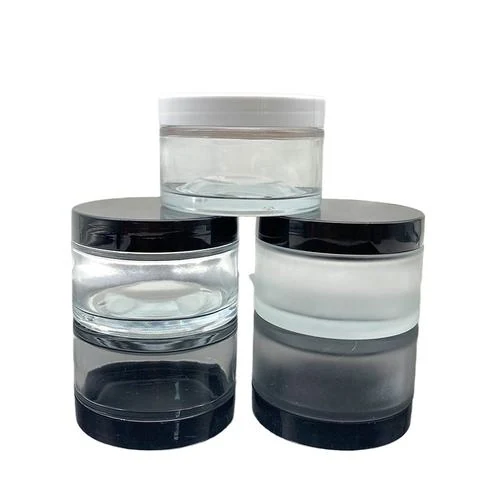
Piramal Glass is widely known for premium glass packaging. The company operates manufacturing facilities in India and international markets. Its specialization lies in high-end bottles used for spirits, cosmetics, and pharmaceutical packaging. Many luxury brands choose the company for custom glass designs and premium finishing.
The company produces decorative bottles, fragrance containers, and pharmaceutical glass packaging. Its design team works closely with brand owners to create distinctive bottle shapes and embossing details. These designs help brands stand out on store shelves.
Piramal Glass serves industries such as spirits, cosmetics, perfumes, and pharmaceuticals. The company invests heavily in design capabilities and advanced forming technology. These investments allow the production of complex shapes and decorative surfaces.
| The company has earned several international quality certifications. It also focuses on sustainability by improving furnace efficiency and increasing recycled glass usage in production. | Company | Founded | Core Products | Industries | Certifications |
|---|---|---|---|---|---|
| Hindusthan National Glass | 1946 | Beverage bottles, food jars, pharma containers | Beverage, food, pharma | ISO and quality standards | |
| AGI Greenpac | 1981 | Glass bottles, jars, specialty packaging | Beverage, pharma, food | ISO, environmental certifications | |
| Piramal Glass | 1984 | Premium spirits bottles, cosmetic packaging | Spirits, cosmetics, pharma | Global quality certifications |
Part 3: Trade Shows and Industry Events
Glasspex India
Glasspex India is one of the most important trade fairs for the glass industry in South Asia. The event focuses on glass manufacturing technology, machinery, and finished glass products. Manufacturers, suppliers, and buyers gather to explore new equipment and production solutions.
The exhibition usually takes place every two years in Mumbai. It attracts participants from across Asia, Europe, and the Middle East. Thousands of visitors attend the event to discover new technology and meet potential partners.
One highlight of the exhibition is the technology showcase. Equipment manufacturers demonstrate new furnace systems, forming machines, and quality inspection tools. These innovations help factories improve productivity and reduce energy consumption.
Another important aspect of the event is networking. Glass manufacturers often meet brand owners, distributors, and packaging companies. These meetings often lead to new export partnerships and long-term supply contracts.
IndiaPack Packaging Exhibition
IndiaPack is a large packaging exhibition that covers many packaging materials, including glass containers. The event attracts companies from food processing, beverages, pharmaceuticals, and logistics. Glass bottle manufacturers often attend to showcase new packaging designs and container technologies.
The event is held in major Indian cities such as Mumbai or Delhi depending on the year. It attracts thousands of industry professionals including buyers, engineers, and product designers.
One key highlight of IndiaPack is its focus on packaging innovation. Many companies present lightweight bottle designs, new closures, and decorative glass finishes. These solutions help brands improve product presentation and transportation efficiency.
| The exhibition also hosts seminars and workshops. Industry experts discuss packaging trends, sustainability policies, and supply chain strategies. These sessions help companies understand future market directions. | Event | Date | Location | Highlights |
|---|---|---|---|---|
| Glasspex India | Biennial | Mumbai, India | Glass manufacturing technology and equipment | |
| IndiaPack | Annual | Major Indian cities | Packaging innovation and industry networking |
Part 4: Impact of Global Trade Policies
Global trade policies influence the glass bottle industry in many ways. Import tariffs, trade agreements, and environmental rules shape how glass products move between countries. Manufacturers must adapt to these policies in order to stay competitive in export markets.
Trade agreements between India and other regions can help glass bottle exports grow. Lower tariffs make Indian products more competitive in foreign markets. This opportunity encourages manufacturers to improve quality and increase production capacity.
However, supply chain risks also exist. Energy prices, raw material costs, and transportation disruptions can affect glass manufacturing. Glass furnaces require large amounts of energy, so rising fuel prices can increase production costs.
International competition is also strong. Glass manufacturers from China, Europe, and Southeast Asia compete in global packaging markets. Indian companies must invest in technology and quality improvements to maintain their position.
At the same time, sustainability policies create new opportunities. Many countries now require recyclable packaging materials. Since glass is fully recyclable, demand for glass containers may increase as brands shift away from plastic packaging.
Part 5: Conclusion
The glass bottle manufacturing industry in India continues to grow as beverage, pharmaceutical, and food industries expand. Glass packaging remains popular because it protects products, enhances brand image, and supports sustainability goals. With strong manufacturing clusters and rising domestic demand, the industry holds significant long-term potential.
However, manufacturers still face several challenges. Energy costs, international competition, and supply chain disruptions can affect profitability. Companies that invest in technology, design innovation, and sustainable production will likely lead the next phase of growth in the Indian glass packaging sector.