Skip to content
Part 1: Market Size and Growth
Ireland has a long connection with glass packaging, especially through its beverage and pharmaceutical industries. The country is globally recognized for whiskey, beer, and premium spirits, and these products often rely on high-quality glass bottles. Glass remains the preferred packaging because it preserves taste, protects product integrity, and offers a premium visual appeal.

The Irish glass bottle market is closely linked to the growth of its beverage exports. Irish whiskey brands, craft distilleries, and beer producers continue expanding into global markets. As exports increase, the demand for reliable and high-quality glass bottles grows alongside it.
Government policies and environmental goals also shape the industry. Ireland promotes circular economy practices and encourages recyclable packaging materials. Glass fits perfectly into these goals because it can be reused and recycled repeatedly without losing purity. This environmental advantage strengthens its position in packaging for food, beverages, and pharmaceuticals.
Demand Drivers in Ireland’s Glass Packaging Market
Ireland’s packaging demand is influenced by both domestic consumption and strong export activity. The beverage sector remains the main driver, but several other industries also rely on glass containers.
| Industry | Role in Glass Bottle Demand | Typical Products |
|---|---|---|
| Alcohol & Spirits | Premium packaging for exports | Whiskey, gin, craft spirits |
| Beer & Beverages | Large volume bottle demand | Beer, cider, soft drinks |
| Food & Condiments | Flavor protection and storage | Sauces, oils, specialty foods |
| Pharmaceuticals | Chemical stability | Medicine bottles and vials |
The Irish whiskey industry plays a particularly important role in glass bottle demand. Ireland has experienced a revival of whiskey distilleries over the past decade. New distilleries continue opening, and each brand often requires custom bottle designs to stand out in global markets.
Beer and cider producers also contribute significantly. Ireland has both large breweries and a growing number of craft producers. These companies rely on durable glass bottles that can survive transportation and maintain product freshness.
Food producers use glass packaging for premium sauces, specialty condiments, and gourmet products. Glass protects flavor and does not react with acidic ingredients. This reliability is important for both safety and product quality.
Pharmaceutical companies operating in Ireland also require glass containers. The country hosts many international pharmaceutical manufacturers. Glass packaging plays an important role in protecting medical liquids and sensitive chemical formulations.
As sustainability becomes more important worldwide, manufacturers are exploring lighter bottle designs and more efficient recycling systems. These innovations help reduce shipping weight and environmental impact while maintaining the traditional benefits of glass packaging.
Part 2: Leading Companies
Ardagh Glass Packaging
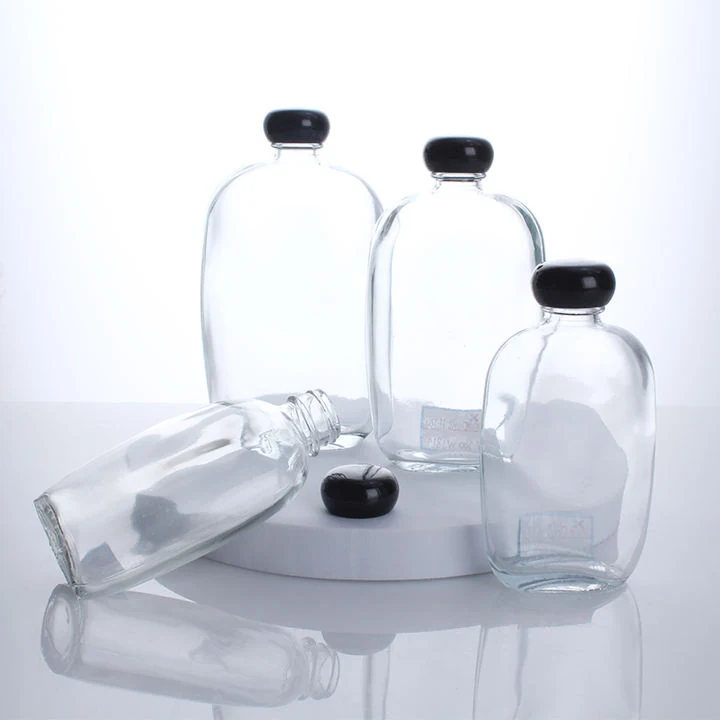
Ardagh Glass Packaging is one of the most influential glass packaging companies connected to Ireland. The company was originally founded in Dublin in 1932 and has grown into a global glass container manufacturer.
The company produces glass bottles and jars used for beverages, food products, and pharmaceuticals. Its production network includes facilities across Europe and North America, allowing the company to serve global beverage brands.
Industries served include beer brewing, soft drinks, spirits, and food processing. Many well-known beverage companies rely on Ardagh’s glass containers for large-scale distribution.
The company invests heavily in automation and furnace technology to improve production efficiency. Sustainability is also a major focus, with initiatives that increase the use of recycled glass materials.
Ardagh has received numerous international certifications related to quality management and environmental standards.
Encirc Glass
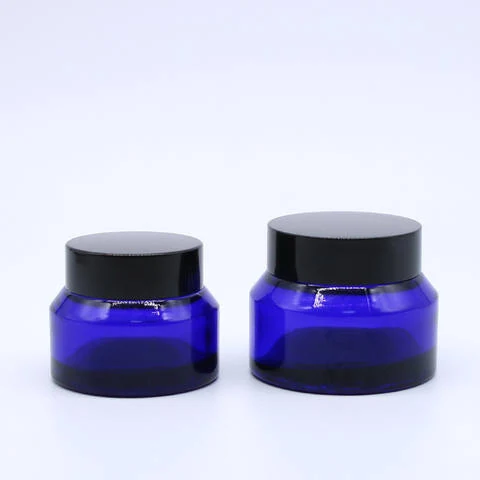
Encirc Glass is a major glass container manufacturer operating in the UK and Ireland region. The company was founded in 1998 and has developed a strong reputation for supplying bottles to the beverage industry.
Encirc produces glass bottles primarily for wine, beer, and spirits. Its manufacturing facilities use advanced automated systems that support high-volume bottle production.
The company works closely with beverage brands that require reliable packaging supply. Many wine importers and spirit producers depend on Encirc’s glass bottles for their products.
Encirc focuses strongly on sustainable production. The company invests in low-carbon furnace technology and recycling programs that reduce environmental impact.
Quality certifications and strict production standards help the company maintain its reputation in international markets.
Quinn Glass
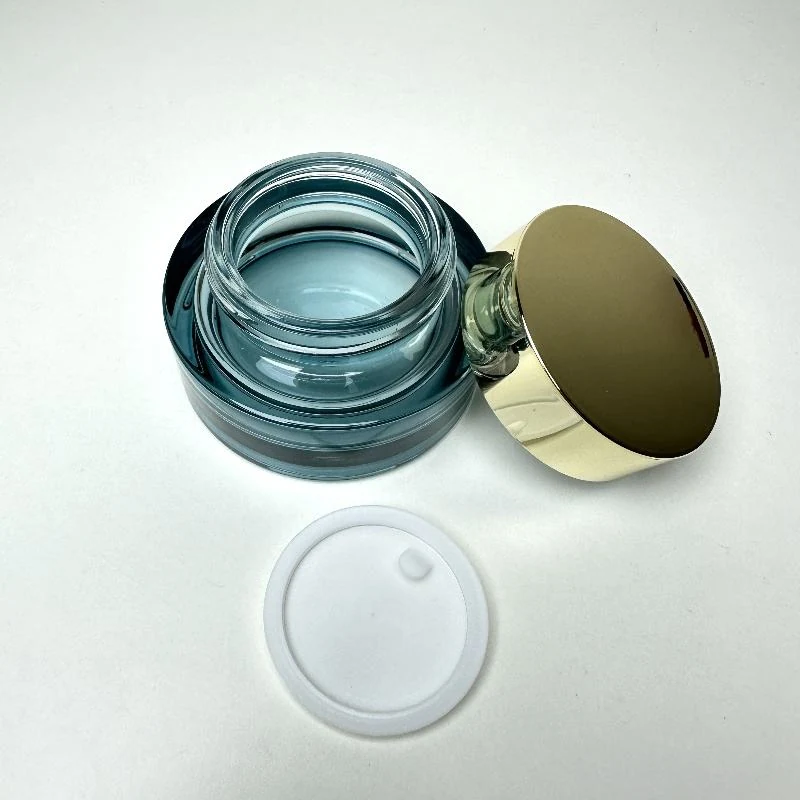
Quinn Glass is another notable glass bottle producer connected to Ireland. The company was established in 1996 and became known for supplying glass containers to the beverage and food industries.
The company manufactures glass bottles and jars used for beer, soft drinks, and food packaging. Its production lines focus on high-volume manufacturing and reliable supply.
Quinn Glass serves industries such as brewing, food processing, and consumer packaged goods. Beverage producers value the company’s ability to maintain consistent bottle quality.
Technology development focuses on efficient furnace operations and improved bottle durability. These innovations help reduce production costs and increase transportation safety.
Quinn Glass has also pursued environmental certifications related to energy efficiency and recycling initiatives.
Company Comparison
| Company | Founded | Core Products | Industries | Certifications |
|---|---|---|---|---|
| Ardagh Glass Packaging | 1932 | Beverage bottles, food jars | Beverage, food, pharma | ISO quality and environmental certifications |
| Encirc Glass | 1998 | Wine and spirit bottles | Beverage industry | Environmental and quality standards |
| Quinn Glass | 1996 | Beer bottles and food jars | Beverage, food processing | Manufacturing quality certifications |
Competitive Landscape of the Irish Glass Bottle Industry
Ireland’s glass bottle manufacturing industry is relatively small compared with larger manufacturing countries. However, it holds strong influence because of its connection to premium beverage brands.
Large companies dominate the sector because glass production requires high investment in furnaces and automated equipment. Building a glass factory requires significant capital and technical expertise.
Many Irish beverage brands rely on both domestic and European glass suppliers. This international supply chain ensures stable bottle availability for growing export markets.
Competition within the industry often focuses on sustainability and innovation. Glass manufacturers continuously improve furnace efficiency, recycling systems, and lightweight bottle designs.
Another important trend is custom bottle design. Distilleries and craft beverage brands often want unique bottle shapes that reflect their brand identity. Manufacturers that offer design support and flexible production capabilities gain competitive advantages.
Part 3: Trade Shows and Industry Events
Packaging Innovations & Empack
Packaging Innovations & Empack is a well-known packaging exhibition that connects packaging suppliers with product manufacturers. The event showcases packaging materials, machinery, and design solutions.
The exhibition is held regularly in Ireland and the United Kingdom. It attracts packaging engineers, product designers, and procurement managers from various industries.
Glass bottle manufacturers attend the event to display new bottle designs and sustainable packaging solutions. The exhibition provides opportunities to build partnerships with beverage brands and food producers.
National Manufacturing & Supply Chain Conference
The National Manufacturing & Supply Chain Conference is another important industry event in Ireland. The conference focuses on manufacturing technology, supply chain management, and industrial innovation.
The event is typically held in Dublin and attracts manufacturers from multiple sectors. Glass packaging companies participate to learn about new production technologies and sustainability strategies.
Industry discussions at the conference often focus on automation, energy efficiency, and supply chain resilience.
Industry Event Summary
| Event | Date | Location | Highlights |
|---|---|---|---|
| Packaging Innovations & Empack | Annual | Dublin | Packaging design and materials |
| National Manufacturing & Supply Chain Conference | Annual | Dublin | Manufacturing technology and supply chain trends |
Part 4: Impact of Global Trade Policies
Global trade policies strongly influence Ireland’s glass bottle manufacturing sector. The country exports large volumes of whiskey, beer, and pharmaceutical products. As these industries expand globally, reliable packaging supply becomes increasingly important.
Trade agreements between the European Union and other global markets create export opportunities for Irish beverage brands. Lower tariffs and improved logistics networks help products reach international customers.
However, supply chain challenges can still affect glass production. Raw materials such as silica sand, soda ash, and limestone may be influenced by global pricing and shipping conditions.
Energy costs also affect glass manufacturing because furnaces must operate at extremely high temperatures. Rising energy prices can increase production expenses for manufacturers.
Raw Material Supply and Production Costs
Glass bottle manufacturing relies on several essential raw materials. Silica sand forms the base ingredient, while soda ash and limestone help control melting temperature and chemical stability.
Ireland sources some raw materials domestically, but many materials are imported through European supply chains. This dependence means global trade conditions can affect production costs.
Manufacturers often maintain long-term supplier relationships to ensure stable supply. These partnerships help reduce the risk of sudden shortages or price spikes.
Energy consumption is another critical factor. Glass furnaces operate continuously for months or even years. Efficient furnace technology can significantly reduce energy costs and environmental impact.
Opportunities in Premium Beverage Packaging
Despite these challenges, Ireland holds strong opportunities in premium packaging markets. Irish whiskey exports continue growing worldwide, and many distilleries emphasize premium branding.
Custom glass bottle designs play an important role in this strategy. Unique bottle shapes, embossed logos, and decorative finishes help brands differentiate their products.
Glass packaging also supports sustainability goals. Many beverage companies want recyclable packaging to reduce environmental impact.
Manufacturers that combine sustainability with design innovation will likely capture future opportunities in the global packaging industry.
Part 5: Conclusion
Ireland’s glass bottle manufacturing sector reflects the country’s strong connection with premium beverage production and export markets. Whiskey, beer, and pharmaceutical industries create steady demand for reliable and high-quality glass packaging. Glass continues to stand out as a material that protects product quality while supporting sustainability goals.
At the same time, manufacturers must address challenges such as energy costs, supply chain risks, and international competition. Continued investment in recycling systems, efficient furnaces, and innovative bottle design will help the industry remain competitive. As global demand for premium beverages grows, Ireland’s glass packaging sector will continue playing an important role in the international supply chain.