Skip to content

Part 1: Market Size and Growth
The glass bottle industry in Kyrgyzstan is relatively small but steadily evolving. The country’s manufacturing sector remains in a development phase, yet demand for glass packaging continues to grow. Beverage producers, food companies, and pharmaceutical businesses increasingly rely on glass containers because they are safe, recyclable, and suitable for premium products.
Domestic consumption plays the main role in shaping the market. Local breweries, mineral water brands, juice producers, and dairy companies require a stable supply of glass bottles. Tourism growth and the expansion of modern retail also support higher demand for packaged beverages.
Government efforts to diversify the economy beyond mining and agriculture also influence the packaging sector. Kyrgyzstan has introduced policies that encourage light manufacturing and industrial investment. These policies aim to strengthen domestic production and reduce reliance on imported packaging materials.
Industrial Development of Glass Packaging
Glass manufacturing requires significant infrastructure, energy supply, and raw materials. Kyrgyzstan possesses silica sand resources, which are an essential ingredient for glass production. However, large-scale industrial glass furnaces require consistent energy supply and advanced manufacturing technology.
Because of these challenges, the glass bottle market includes a mix of domestic production and imports. Many beverage companies purchase bottles from regional manufacturers in neighboring countries such as Kazakhstan, Uzbekistan, and Russia.
Despite these limitations, domestic production has slowly expanded. Local factories produce bottles for mineral water, beer, and food packaging. These producers often serve regional markets within Central Asia.
Major Application Segments
Glass bottles are widely used in Kyrgyzstan’s beverage and food sectors. Many local producers prefer glass packaging because it preserves taste and enhances product image.
| Segment | Typical Products | Demand Drivers |
|---|---|---|
| Beverage | Beer bottles, mineral water bottles, soda bottles | Tourism and urban consumption |
| Spirits | Vodka and traditional liquor bottles | Domestic alcohol market |
| Food | Sauce bottles, honey jars, oil containers | Agricultural processing |
| Pharmaceuticals | Medical glass containers | Healthcare sector growth |
The beverage sector is the most important application. Kyrgyzstan has a strong tradition of mineral water production due to its natural mountain springs. These bottled water products often use glass containers for premium brands.
Regional Trade and Distribution
Kyrgyzstan’s location in Central Asia influences the glass bottle supply chain. The country maintains strong trade connections with Kazakhstan, China, Russia, and Uzbekistan.
Glass packaging is often transported through regional logistics routes that connect Central Asian markets. Rail transport and cross-border trucking networks play a major role in bottle distribution.
Domestic manufacturers compete with imported products from neighboring countries. Regional producers often benefit from large-scale production and lower costs.
Sustainability and Recycling
Glass recycling remains a developing area in Kyrgyzstan. Waste management systems are still evolving, but awareness of environmental issues continues to grow.
Glass bottles offer several sustainability advantages. They can be reused many times before recycling, and recycled glass can be melted and remade without losing quality.
Many beverage companies already operate bottle return systems. Consumers return empty bottles to retailers, and these bottles are cleaned and reused by beverage producers.
This approach helps reduce packaging waste and lowers production costs. As environmental policies become stronger in Central Asia, recycling programs may expand further.
Overall, Kyrgyzstan’s glass bottle industry reflects the broader development of its manufacturing sector. Demand continues to increase as beverage brands grow and retail markets expand.
Part 2: Leading Companies
Interglass Kyrgyzstan
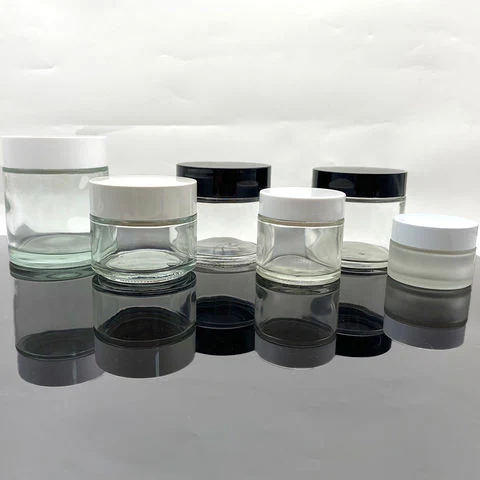
Interglass Kyrgyzstan is one of the most recognized glass manufacturers in the country. The company was established to support domestic demand for glass containers and reduce reliance on imported packaging.
The company produces a variety of glass bottles and jars used in beverage and food packaging. Its product range includes beer bottles, mineral water bottles, vodka bottles, and glass containers for sauces and preserves.
Interglass Kyrgyzstan serves industries such as brewing, mineral water production, food processing, and spirits manufacturing. Many local beverage brands rely on its bottles because of reliable supply and competitive pricing.
The company has invested in modern production lines and furnace technology to improve efficiency. These investments help maintain consistent product quality and increase production capacity.
Interglass Kyrgyzstan also focuses on recycling initiatives and sustainable glass manufacturing. The company incorporates recycled glass material into its production process to reduce energy consumption and raw material usage.
Glass LLC Kyrgyzstan
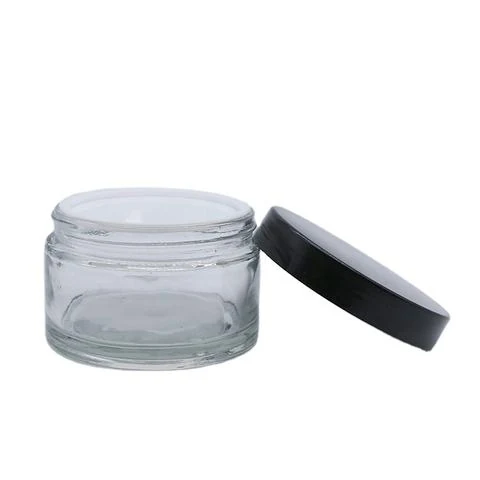
Glass LLC Kyrgyzstan is another local manufacturer serving the country’s packaging market. The company specializes in producing glass containers for food, beverages, and household products.
The company was established to support the growing packaging needs of local manufacturers. It operates production lines that manufacture bottles and jars in different sizes and shapes.
Glass LLC Kyrgyzstan supplies packaging to food producers, beverage brands, and small-scale agricultural processors. Many customers include honey producers, fruit preserve manufacturers, and sauce companies.
The company focuses on flexible production capabilities. Smaller production batches and customized container shapes allow clients to differentiate their products in retail markets.
Innovation efforts include improving glass clarity, durability, and lightweight bottle designs. These improvements help reduce transportation costs and increase product safety.
Glass LLC Kyrgyzstan continues to expand its production capacity as demand for packaged products grows in the region.
Orda Glass

Orda Glass is a regional glass manufacturer that supplies glass packaging to several Central Asian markets. Although its main operations extend beyond Kyrgyzstan, the company plays an important role in supplying glass bottles to the country’s beverage industry.
The company produces a wide range of glass packaging products including beer bottles, wine bottles, spirits containers, and food jars. Its production facilities support large-scale manufacturing for beverage companies across Central Asia.
Orda Glass works with industries such as brewing, distilling, food processing, and cosmetics packaging. Many regional beverage producers rely on its glass containers for consistent supply and quality.
The company invests in modern glass production technology and automated inspection systems. These technologies help ensure product durability and consistent bottle dimensions.
| Orda Glass also follows international quality and environmental standards. The company focuses on improving energy efficiency and increasing recycled glass usage in its production process. | Company | Founded | Core Products | Industries | Certifications |
|---|---|---|---|---|---|
| Interglass Kyrgyzstan | Early 2000s | Beverage bottles, food jars | Brewing, mineral water, spirits | Quality and environmental standards | |
| Glass LLC Kyrgyzstan | 2010s | Food containers and specialty bottles | Agriculture processing, food packaging | Local manufacturing certifications | |
| Orda Glass | Regional manufacturer | Beer bottles, wine bottles, food jars | Beverage and food industries | International production standards |
Part 3: Trade Shows and Industry Events
Central Asia Packaging Expo
Central Asia Packaging Expo is an important regional exhibition focused on packaging technologies and materials. Companies from Kyrgyzstan and neighboring countries participate to explore new manufacturing solutions.
The exhibition usually takes place in major regional cities such as Almaty or Tashkent. Packaging manufacturers, beverage producers, and equipment suppliers gather to present their latest technologies.
Glass bottle manufacturers often showcase new container designs, lightweight glass technologies, and recycling solutions. The event also helps businesses build partnerships within Central Asia.
AgroFood Kyrgyzstan Exhibition
AgroFood Kyrgyzstan is a trade event dedicated to food production, agriculture processing, and packaging solutions. The exhibition attracts food manufacturers, packaging suppliers, and distribution companies.

The event is typically held in Bishkek and serves as a key meeting point for local producers and international suppliers. Packaging companies use the exhibition to introduce new materials and container solutions.
| One major highlight is the connection between agricultural processing and packaging industries. Food producers often search for reliable glass packaging suppliers for products such as honey, fruit preserves, and sauces. | Event | Date | Location | Highlights |
|---|---|---|---|---|
| Central Asia Packaging Expo | Annual | Almaty / Tashkent | Packaging technology and regional trade | |
| AgroFood Kyrgyzstan | Annual | Bishkek, Kyrgyzstan | Food processing and packaging suppliers |
Part 4: Impact of Global Trade Policies
Global trade policies significantly influence the glass bottle industry in Kyrgyzstan. Because the country imports a portion of its packaging materials, international trade conditions affect supply availability and costs. Tariffs, transportation expenses, and currency exchange rates can all influence bottle prices for local beverage producers.

Kyrgyzstan is a member of the Eurasian Economic Union (EAEU). This regional trade agreement includes countries such as Russia, Kazakhstan, Armenia, and Belarus. The agreement reduces trade barriers and allows packaging materials to move more freely across member states.
Energy Costs and Production Challenges
Glass manufacturing is energy intensive. Furnaces must operate at temperatures above 1500°C to melt raw materials. Maintaining this temperature requires continuous energy supply.
Energy costs in Central Asia can fluctuate depending on seasonal demand and infrastructure capacity. These fluctuations directly influence the cost of producing glass bottles.
Manufacturers often invest in energy-efficient furnace technologies to reduce operational costs. Increased use of recycled glass also lowers the amount of energy required for production.
Supply Chain Stability
Regional logistics networks play an important role in maintaining glass bottle supply. Transportation routes across Kazakhstan, Uzbekistan, and China help connect Kyrgyzstan with major manufacturing centers.
However, cross-border transportation can sometimes face delays due to customs procedures or infrastructure limitations. Beverage companies often maintain multiple suppliers to ensure consistent bottle availability.
Local distributors also play a key role by maintaining inventories of packaging materials for beverage producers.
Regional Competition
Glass bottle manufacturers in Russia, Kazakhstan, and China supply large volumes of glass containers to Central Asia. These producers operate large factories with high production capacity.
Kyrgyz manufacturers compete by focusing on regional proximity and faster delivery times. Local producers also offer flexible order quantities that smaller beverage brands appreciate.
Sustainability and Future Opportunities
Environmental awareness is gradually increasing across Central Asia. Governments and companies are beginning to explore recycling programs and sustainable packaging initiatives.
Glass bottles fit well into circular economy models because they can be reused and recycled multiple times. Refillable bottle systems are already used by many beverage producers in Kyrgyzstan.
Future investment in recycling infrastructure could strengthen the domestic glass industry. Higher recycling rates would reduce raw material consumption and improve environmental performance.
Part 5: Conclusion
The glass bottle industry in Kyrgyzstan continues to develop alongside the country’s growing manufacturing sector. Beverage producers, food processors, and agricultural brands create steady demand for glass packaging. Glass remains a preferred packaging material because it protects product quality and supports sustainable reuse systems.
At the same time, the industry faces challenges related to energy costs, infrastructure limitations, and competition from regional manufacturers. Continued investment in modern production technology, recycling systems, and regional trade partnerships will likely shape the future of Kyrgyzstan’s glass packaging industry.