Skip to content
Part 1: Market Size and Growth
Laos has a small but steadily growing packaging industry. The country’s manufacturing sector is still developing, yet beverage production, food processing, and tourism have increased demand for reliable packaging. Glass bottles remain an important option because they preserve product quality and provide a premium image.
The beverage sector is the strongest driver of glass bottle demand in Laos. Breweries, soft drink producers, and bottled water companies require durable containers that maintain taste and carbonation. Glass bottles are widely used for beer and premium drinks because they protect flavor and support brand presentation.
Government programs that promote industrial growth and regional trade also affect the packaging market. Laos participates in ASEAN trade networks, which allows businesses to source packaging materials from neighboring countries such as Thailand, Vietnam, and China. These regional connections help local companies secure stable glass bottle supplies.
Beverage Industry as the Core Demand Source
The beverage industry accounts for most glass bottle usage in Laos. Beer production, in particular, has a strong presence in the country. Local breweries distribute bottled drinks throughout the domestic market and export some products to neighboring countries.
Glass bottles are commonly used because they maintain carbonation and protect flavor. Many beverage brands also prefer glass packaging because it enhances product perception in retail stores and restaurants. The transparency of glass allows customers to see the drink clearly, which increases trust.
Hotels, restaurants, and bars also contribute to demand. Laos has a growing tourism sector, and hospitality businesses serve large volumes of bottled beverages. Glass containers are widely used in these environments because they provide a clean and premium appearance.
Below is a simple overview of industries that create demand for glass bottles in Laos.
| Industry | Bottle Types | Main Applications |
|---|---|---|
| Beverage | Beer bottles, soda bottles | Retail and hospitality |
| Bottled Water | Clear glass bottles | Premium water brands |
| Food Processing | Jars and containers | Sauces, honey, condiments |
| Cosmetics | Small glass bottles | Oils and fragrances |
Import and Regional Supply Chains
Although Laos has some domestic packaging facilities, the country still imports many glass bottles. Manufacturers in Thailand, Vietnam, and China supply a wide range of glass containers to Lao companies.
Regional trade agreements make it easier for Lao businesses to source packaging from nearby markets. Transportation by road is common because Laos shares borders with several manufacturing economies. This helps reduce shipping time and cost.
Import distributors play a key role in the market. They store standard bottle designs and supply them to beverage producers and food companies across the country.
Future Growth Potential
The future of the glass bottle industry in Laos is linked to economic development and tourism expansion. As more hotels, restaurants, and beverage brands enter the market, demand for packaging materials will grow.
Export-oriented food and beverage products also create opportunities. Producers who want to sell internationally often prefer glass packaging because it looks more premium and complies with many international packaging standards.
Environmental awareness may also increase interest in glass containers. Glass is recyclable and reusable, which aligns with sustainability trends seen across Southeast Asia.
Part 2: Leading Companies
Lao Brewery Company
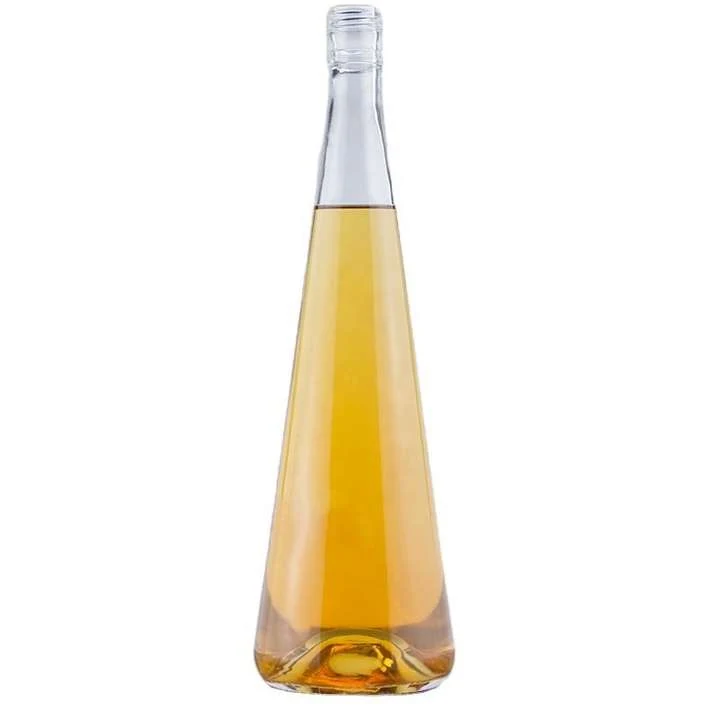
Lao Brewery Company is the largest beverage producer in Laos and a major consumer of glass bottles in the country. The company was established in the 1970s and has grown into one of the most recognized beverage brands in Southeast Asia.
The company produces beer and other beverages that are widely distributed across Laos and exported to several international markets. Glass bottles are commonly used for these products because they maintain carbonation and preserve flavor.
Lao Brewery Company serves supermarkets, restaurants, and hotels throughout the country. Its strong distribution network makes it one of the most influential beverage companies in the Lao market.
The company focuses on modern production technology and strict quality control systems. These practices ensure consistent beverage quality and reliable packaging performance.
Lao Glass Industry Factory
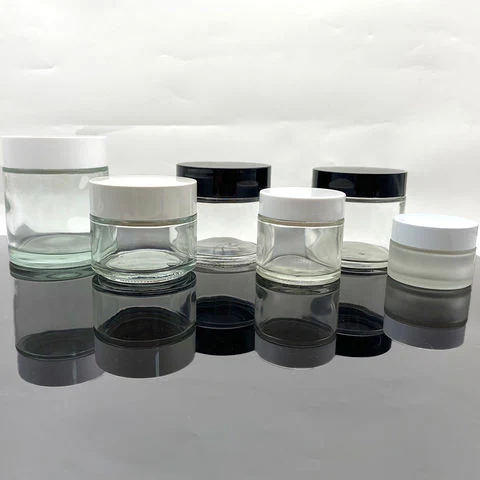
Lao Glass Industry Factory is one of the few domestic facilities involved in glass production and packaging. The factory was established to support local manufacturing and reduce reliance on imported packaging materials.
The facility produces glass containers used for beverages, food products, and household goods. Its production lines focus mainly on standard bottle designs that meet the needs of local manufacturers.
The factory serves beverage companies, food processors, and packaging distributors. Its role in the market is important because it provides local supply and reduces transportation costs for some businesses.
The company continues to improve its manufacturing technology and production efficiency. Equipment upgrades and workforce training have helped increase product consistency.
Regional Packaging Distributors in Laos

Several packaging distributors operate within Laos to supply glass bottles imported from neighboring countries. These companies act as intermediaries between international manufacturers and local food and beverage producers.
Distributors often stock common bottle shapes used for beer, sauces, and bottled drinks. This allows small businesses to purchase packaging materials without ordering large production volumes.
These companies serve a wide range of industries including food production, beverage manufacturing, and cosmetic brands. Their logistics networks help deliver bottles across different provinces.
Many distributors are expanding their services by offering customized bottle designs and labeling solutions. This helps local brands improve product presentation and compete in regional markets.
| Company | Founded | Core Products | Industries | Certifications |
|---|---|---|---|---|
| Lao Brewery Company | 1970s | Beer bottles usage | Beverage industry | Beverage production standards |
| Lao Glass Industry Factory | 1990s | Glass containers and bottles | Beverage and food | Domestic manufacturing compliance |
| Regional Packaging Distributors | Various | Imported glass bottles | Food and beverage | Import and distribution licenses |
Part 3: Trade Shows and Industry Events
Lao International Trade Exhibition
The Lao International Trade Exhibition is one of the largest business events in the country. It gathers companies from manufacturing, agriculture, food processing, and packaging sectors.
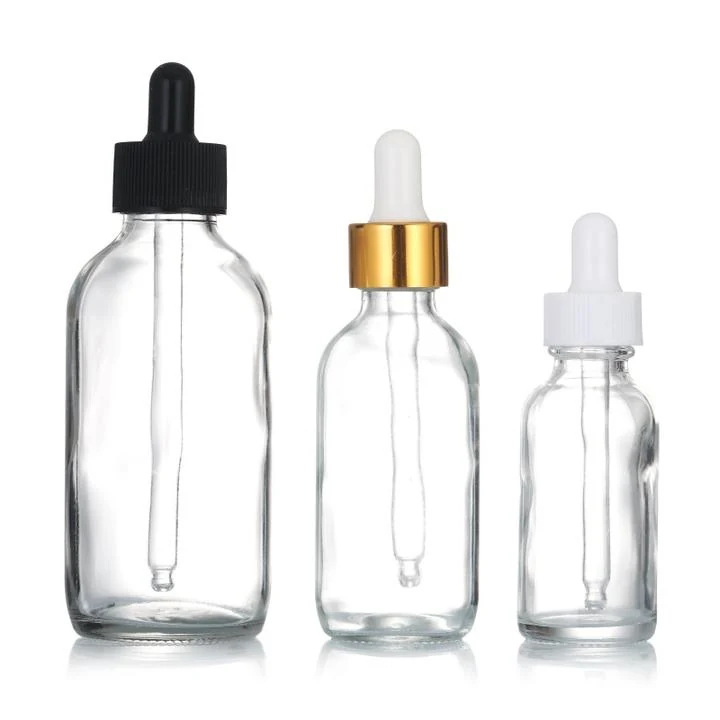
The exhibition usually takes place in Vientiane and attracts businesses from across Southeast Asia. Packaging suppliers often display glass containers, labeling technologies, and packaging machinery.
Networking opportunities are a major benefit of the event. Local manufacturers can connect with international packaging suppliers and explore new partnerships.
ASEAN Packaging and Processing Expo
The ASEAN Packaging and Processing Expo is a regional event that focuses on packaging technology and manufacturing solutions. Companies from across Southeast Asia participate in the exhibition.
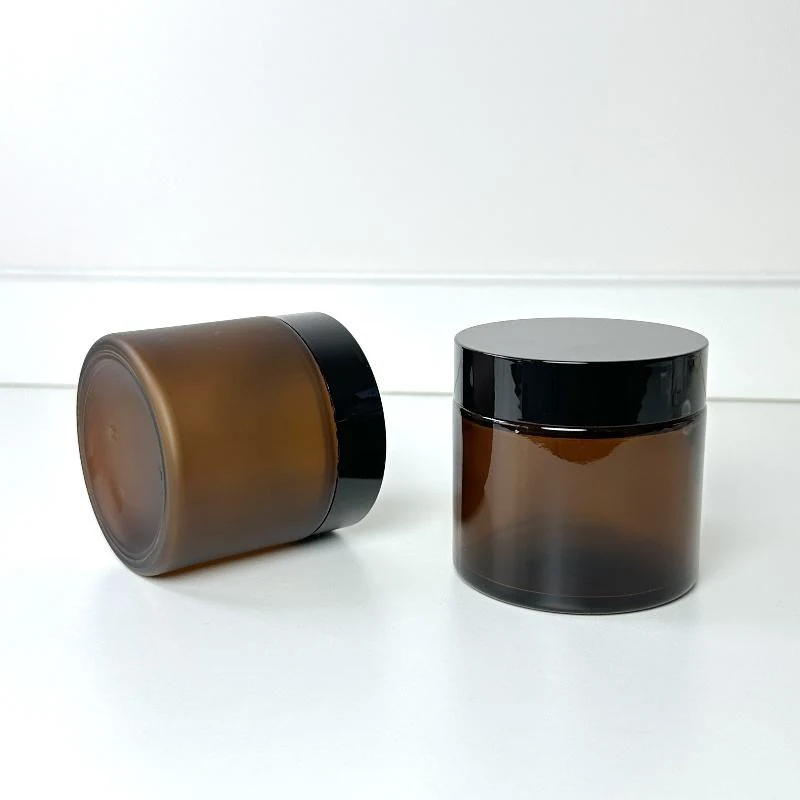
Although the exhibition rotates between host countries, Lao businesses often attend to discover new packaging trends. Glass bottle manufacturers and packaging machinery suppliers frequently showcase their latest technologies.
The event also highlights sustainable packaging innovations. Lightweight glass bottles and improved recycling systems are common topics discussed during the exhibition.
| Event | Date | Location | Highlights |
|---|---|---|---|
| Lao International Trade Exhibition | Annual | Vientiane, Laos | Regional trade and packaging suppliers |
| ASEAN Packaging and Processing Expo | Annual | Southeast Asia | Packaging technology and innovation |
Part 4: Impact of Global Trade Policies
Global trade policies strongly influence the glass bottle industry in Laos. Because the country imports a large portion of its packaging materials, international trade conditions affect supply and pricing.
Membership in ASEAN provides several advantages for Lao businesses. Reduced trade barriers allow companies to import packaging materials more easily from neighboring countries.
Transportation costs also influence bottle prices. Glass containers are heavy and fragile, so shipping costs can significantly affect overall packaging expenses.
Supply Chain Challenges
Laos is a landlocked country, which means it relies on land transportation routes to access international ports. This situation can increase logistics complexity when importing packaging materials.
Glass bottles must be transported carefully to avoid breakage. Packaging distributors often invest in protective materials and efficient logistics systems to minimize losses during shipping.
Opportunities in Regional Trade
Regional trade agreements create opportunities for businesses in Laos. Collaboration with manufacturers in Thailand, Vietnam, and China helps maintain stable packaging supply chains.
As the beverage and food industries expand, the demand for glass bottles will continue to grow. Businesses that build strong partnerships with regional suppliers will have an advantage in securing reliable packaging materials.
| Factor | Impact on Industry | Opportunity |
|---|---|---|
| Import dependence | Limited domestic production | Regional supplier partnerships |
| ASEAN trade agreements | Easier cross-border trade | Stable packaging supply |
| Logistics challenges | Higher transport costs | Supply chain optimization |
| Sustainability trends | Demand for recyclable packaging | Growth of glass containers |
Part 5: Conclusion
The glass bottle market in Laos is shaped by the country’s growing beverage and food industries. Breweries, bottled water producers, and food companies rely on glass containers to maintain product quality and enhance brand presentation. Glass packaging continues to play an important role in retail and hospitality markets.
Although domestic glass manufacturing remains limited, regional suppliers provide reliable access to packaging materials. Import networks and packaging distributors help ensure that local businesses can obtain the bottles they need.
Future growth will depend on tourism development, export expansion, and stronger regional trade partnerships. Companies that invest in efficient supply chains and modern packaging solutions will benefit from the evolving market.