Skip to content
Part 1: Market Size and Growth
North Macedonia has a smaller industrial base compared with many European countries, but the glass packaging sector still plays a meaningful role in its manufacturing economy. Glass bottles are widely used in the beverage, food, and pharmaceutical industries because they provide strong product protection and maintain high product quality. As local producers expand their exports, the demand for reliable packaging materials continues to grow.
The beverage industry is one of the main drivers of glass bottle consumption in the country. North Macedonia has a growing wine sector, and several wineries export products to European and international markets. Glass bottles are the preferred packaging option because they protect the wine during transportation and preserve its flavor during storage.

The beer and soft drink industries also contribute to glass bottle demand. Breweries often use returnable glass bottle systems, which help reduce packaging costs and support recycling practices. This model is common across many Balkan countries where reusable bottles remain economically practical.
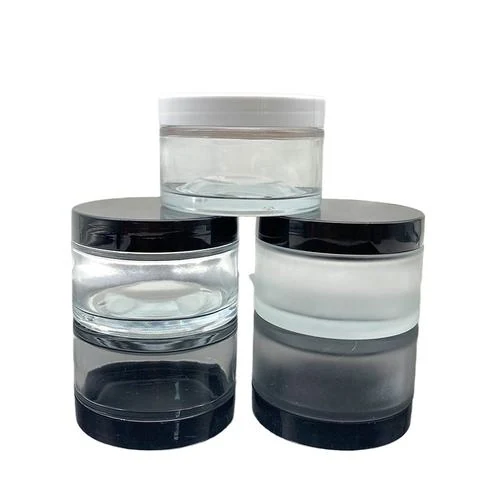
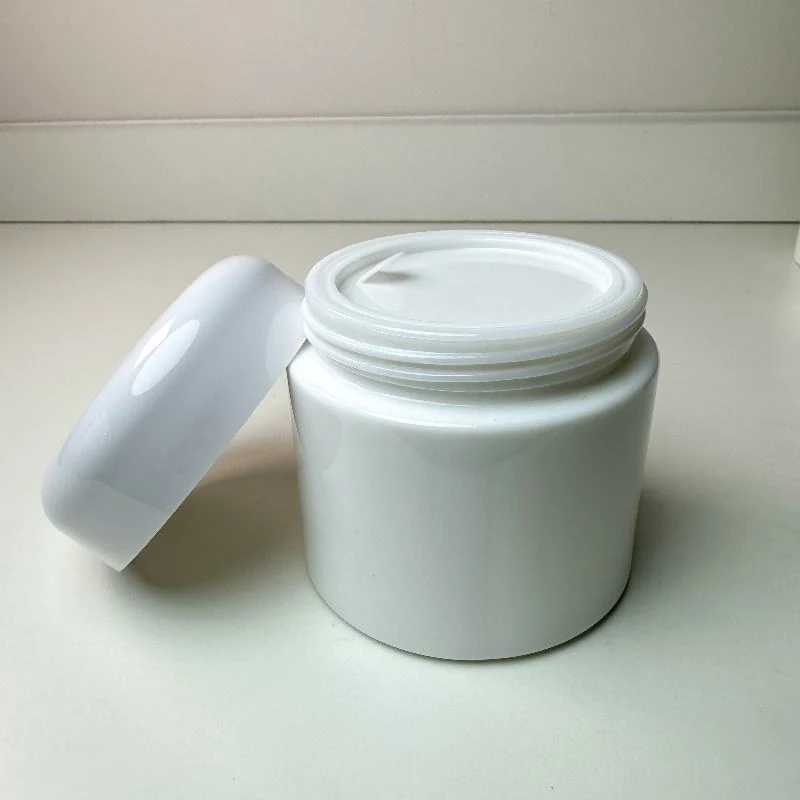
Food packaging is another important application for glass containers. Products such as sauces, honey, preserved vegetables, and specialty foods are often packaged in glass jars. Many food producers prefer glass packaging because it does not react with the product and allows consumers to clearly see the contents.
Environmental awareness has also influenced packaging decisions. North Macedonia has gradually aligned its environmental policies with European Union standards, encouraging recycling and responsible waste management. Because glass can be recycled repeatedly without losing quality, it fits well within these sustainability goals.
Although the country’s domestic market is relatively small, export-oriented industries such as wine production create steady demand for glass bottles. Manufacturers and packaging suppliers therefore play a critical role in supporting the growth of these sectors.
Part 2: Leading Companies
The glass bottle manufacturing industry in North Macedonia is relatively concentrated, with only a few large companies operating full-scale container glass production facilities. Many beverage and food companies also import glass containers from nearby European countries. However, local manufacturers remain important because they provide reliable supply and shorter delivery times for domestic producers.
Vetropack Stra?a
Vetropack Stra?a is widely recognized as the largest glass container manufacturer in North Macedonia. The company operates as part of the Vetropack Group, a European glass packaging company with facilities in several countries. Its factory in the town of Gostivar has become one of the key glass bottle production sites in the Balkan region.
The company manufactures a wide range of glass containers, including bottles for beer, wine, soft drinks, and food products. These containers are supplied to beverage companies and food producers across Southeast Europe. Because of its regional production capacity, Vetropack Stra?a plays an important role in supplying glass packaging to neighboring markets.
The factory operates modern glass furnaces and automated forming lines designed for high-volume production. These systems ensure that bottles maintain consistent weight, shape, and durability. Consistency is essential for customers that rely on automated filling equipment.
Vetropack Stra?a also invests in sustainability and recycling initiatives. The company uses recycled glass materials in its manufacturing process to reduce energy consumption and environmental impact. Glass recycling helps lower furnace temperatures and supports more sustainable production practices.
In addition to supplying standard bottles, the company also works with beverage brands to develop customized bottle designs. These designs help companies differentiate their products in competitive retail markets.
Skopje Glass Packaging Suppliers

In addition to large-scale manufacturers, North Macedonia also has several packaging distributors and smaller glass processing companies located around Skopje and other industrial regions. These companies play an important role in supplying glass containers to local businesses that require smaller production volumes or specialized packaging.
Many of these suppliers import glass bottles and jars from European manufacturers and distribute them to domestic food and beverage producers. This model helps local businesses access a wide variety of packaging options without maintaining large inventories.
Some suppliers also offer decoration services such as bottle labeling, printing, and packaging customization. These services allow producers to create unique packaging designs without investing in their own packaging equipment.
Small and medium-sized food producers often rely on these suppliers because they offer flexible order quantities and shorter lead times. This flexibility is particularly valuable for specialty food brands and small wineries.
As the food and beverage sector grows, these suppliers continue to expand their services. Many are investing in improved logistics and packaging solutions to support local manufacturers.
Regional Glass Packaging Importers
Because North Macedonia is part of the Balkan economic region, many companies also rely on glass container imports from neighboring countries. Regional manufacturers from countries such as Serbia, Bulgaria, and Greece supply additional glass packaging when domestic capacity is limited. These cross-border supply chains help stabilize the availability of glass bottles for local producers.
Importers and distributors coordinate logistics between regional glass factories and Macedonian food and beverage companies. This supply network allows businesses to obtain specialized bottles that may not be produced locally.
Wine producers, in particular, often source bottles from multiple suppliers to achieve specific bottle shapes and styles. Different bottle designs are used to reflect different wine varieties and branding strategies.
Regional trade relationships therefore play an important role in maintaining a stable glass packaging supply chain. While domestic manufacturing remains essential, imports help expand the range of packaging options available to producers.
| Company | Founded | Core Products | Industries | Certifications |
|---|---|---|---|---|
| Vetropack Stra?a | 1950s origins | Beer bottles, wine bottles, food jars | Beverage, food | ISO quality standards |
| Skopje Packaging Suppliers | Various | Glass jars, beverage bottles | Food, beverage | Local industry certifications |
| Regional Glass Importers | Various | Specialty glass containers | Wine, food | European packaging standards |
Part 3: Trade Shows and Industry Events
Trade exhibitions provide valuable opportunities for packaging manufacturers and food producers in North Macedonia to connect with suppliers and explore new technologies. Glass bottle manufacturers and distributors often participate in regional exhibitions that highlight food production, beverages, and packaging innovation.
Skopje Wine Expo
Skopje Wine Expo is one of the key events for the wine industry in North Macedonia. The exhibition brings together wineries, distributors, and packaging suppliers to showcase products and technologies related to wine production. Glass bottle manufacturers often participate in the event because packaging plays an important role in wine branding and export readiness.
The event usually takes place in the capital city of Skopje and attracts visitors from across the Balkan region. Wineries present new wine releases while suppliers demonstrate technologies used in production and packaging.
Glass bottle design is often discussed during the event because bottle shape, color, and weight influence how consumers perceive wine quality. Manufacturers may showcase new bottle designs that help wineries strengthen their brand image.
The exhibition also provides opportunities for wineries to explore sustainable packaging options. Topics such as lightweight bottles and glass recycling are increasingly important for producers that export to environmentally conscious markets.
AgriFood & Packaging Balkans Expo
The AgriFood & Packaging Balkans Expo is another important regional event that includes packaging technology and materials. The exhibition focuses on food processing, packaging equipment, and agricultural production. Glass container suppliers participate in the event to present packaging solutions for food and beverage producers.

The event gathers participants from several Balkan countries, creating a regional platform for business networking. Food manufacturers, beverage companies, and packaging suppliers all attend to explore new partnerships.
Glass jars and bottles are often highlighted for their durability, recyclability, and ability to preserve food quality. These qualities make glass packaging particularly attractive for premium and export-oriented products.
Seminars and presentations during the event also address industry trends such as sustainable packaging, supply chain efficiency, and food safety standards.
| Event | Date | Location | Highlights |
|---|---|---|---|
| Skopje Wine Expo | Annual | Skopje, North Macedonia | Wine industry and packaging exhibition |
| AgriFood & Packaging Balkans Expo | Annual | Balkan regional rotation | Food production and packaging technologies |
Part 4: Impact of Global Trade Policies
Global trade policies have a significant influence on the glass bottle industry in North Macedonia because the country relies heavily on regional trade networks. Many packaging materials, machinery, and raw materials are imported from European suppliers.

European Union trade agreements play an important role in shaping the country’s industrial development. Although North Macedonia is not yet a member of the EU, it maintains close economic relationships with European markets. These relationships allow local manufacturers to export food and beverage products more easily.
Energy costs also affect glass manufacturing because furnace operations require high temperatures. Changes in energy prices can influence production costs and profitability for glass factories.
Another factor shaping the market is competition from alternative packaging materials. Some beverage companies explore aluminum cans or plastic containers to reduce weight and transportation costs. However, glass remains the preferred packaging material for wine and premium beverages because it preserves product quality and enhances brand perception.
Regional cooperation among Balkan countries also supports the glass packaging supply chain. Manufacturers often collaborate with partners in neighboring countries to maintain stable production and distribution networks.
Part 5: Conclusion
The glass bottle manufacturing industry in North Macedonia plays a supporting role in the country’s growing food and beverage economy. Wine production, breweries, and specialty food companies all rely on glass containers to maintain product quality and present their brands in competitive markets. Local manufacturers and regional suppliers work together to ensure that producers have access to reliable packaging solutions.
Despite its relatively small domestic market, the country benefits from strong regional trade connections and export-oriented industries. Companies that focus on efficient production, recycling, and collaboration with food and beverage producers will remain competitive. As North Macedonia continues to develop its wine and specialty food sectors, demand for high-quality glass bottles is expected to remain stable.