
Part 1: Market Size and Growth
Malawi’s packaging industry is closely connected to the country’s beverage, food processing, and agricultural sectors. Although Malawi does not have a large number of glass bottle manufacturers, demand for glass containers continues to grow. Glass bottles remain an important packaging solution because they preserve product quality, support reuse systems, and provide reliable storage for beverages and food products.

The beverage industry represents the main source of glass bottle demand in Malawi. Breweries, soft drink producers, and bottled water companies require large quantities of durable containers for daily production. Many beverage brands rely on refillable bottle systems, where bottles circulate between distributors, retailers, and bottling facilities. This reuse model helps reduce packaging costs while supporting sustainability goals.

Government policies aimed at encouraging industrial growth also influence the packaging market. Malawi has promoted local manufacturing and agricultural processing as part of its economic development strategy. Improvements in transport infrastructure and regional trade links help businesses obtain packaging materials more easily. As retail networks and hospitality services expand, demand for glass containers continues to rise across the country.
Beverage Industry Demand
Beer production plays a major role in Malawi’s glass bottle consumption. Breweries distribute bottled beverages across urban and rural areas through extensive distribution networks. These systems collect empty bottles from retailers and return them to factories for cleaning and refilling.
Soft drink and bottled water producers also require reliable bottle supply for high-speed filling lines. Packaging consistency is essential because automated bottling systems depend on precise container dimensions.
Spirits and specialty beverage brands add another layer of demand. Premium alcoholic drinks and locally produced herbal beverages often prefer glass packaging because it conveys product authenticity and quality.
Distribution and Logistics
Glass bottle supply in Malawi often combines local bottling operations with imported containers from regional manufacturers. Packaging suppliers use road and rail transport to deliver bottles to beverage producers.
Distribution networks rely on crates and pallets designed to protect glass containers during transportation. Bottles travel from production facilities to wholesalers, retailers, and hospitality venues before returning through recycling or reuse programs.
Regional trade cooperation also supports packaging supply. Malawi’s position within Southern Africa allows businesses to source bottles from neighboring countries when domestic supply is limited.
| Segment | Key Drivers | Typical Products |
|---|---|---|
| Breweries | Strong beer consumption | Beer bottles |
| Soft Drinks | Urban beverage demand | Soda bottles |
| Spirits | Premium packaging needs | Liquor bottles |
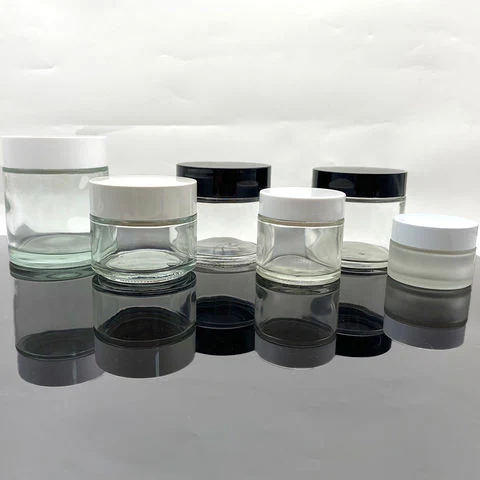
| Food Processing | Sauce and condiment storage | Glass jars |
Market Development Trends
Population growth and urban expansion continue to increase beverage consumption in Malawi. Restaurants, supermarkets, and small retail shops all depend on bottled drinks to meet customer demand.
Small beverage producers also contribute to packaging demand. Juice brands, craft beverages, and local drink producers often choose glass containers to present their products clearly and maintain freshness.
Environmental awareness is gradually shaping packaging choices. Glass bottles offer advantages because they can be reused multiple times and recycled without losing quality. This durability makes glass an attractive option for businesses seeking sustainable packaging solutions.
Part 2: Leading Companies
Carlsberg Malawi Limited

Carlsberg Malawi Limited is one of the most prominent beverage producers in the country. The company operates large brewing facilities that supply beer to domestic and regional markets. Its production operations depend heavily on glass bottles for packaging.
The brewery produces several beer brands packaged in returnable glass containers. Bottles circulate through distribution networks and return to the factory for cleaning and refilling. This reuse system allows the company to maintain cost efficiency while supporting environmental sustainability.
Carlsberg Malawi mainly serves supermarkets, bars, restaurants, and retail distributors across the country. Beer consumption remains strong in both urban and rural areas, which creates consistent demand for glass packaging.
Technology investments help improve production efficiency. Automated bottling lines and inspection systems reduce breakage rates and maintain consistent bottle quality.
The company has gained recognition for its contribution to Malawi’s manufacturing sector. Its operations support local employment and strengthen the national beverage industry.
Castel Malawi (Kuche Kuche Brewery)

Castel Malawi, often associated with Kuche Kuche Brewery, is another important beverage manufacturer operating in the country. The company produces beer and other beverages that rely on glass bottle packaging.
Its production facilities use modern bottling lines capable of filling thousands of bottles per hour. Packaging durability remains essential because bottles must withstand repeated washing cycles and transportation.
The company serves multiple market segments including hospitality venues, restaurants, and retail shops. Tourism and urban entertainment sectors also contribute to beverage demand.
Packaging development remains an important focus. Engineers work to optimize bottle design and crate handling systems to improve efficiency during transportation and distribution.
Castel Malawi continues to expand its presence in the beverage sector. Its production growth contributes to increased demand for glass containers in the country.
Malawi Distilleries Limited

Malawi Distilleries Limited is known for producing spirits and alcoholic beverages for the domestic market. The company uses glass bottles to package its products because they provide strong protection and visual clarity.
The company manufactures a range of spirits that are distributed through retail networks and hospitality businesses. Glass containers allow these beverages to maintain flavor stability during storage and transportation.
Packaging design also plays a role in product marketing. Distinctive bottle shapes and labeling help brands stand out on store shelves.
The company works with packaging suppliers to ensure consistent bottle supply for production operations. Reliable packaging supports efficient bottling and distribution processes.
Malawi Distilleries has become an established participant in the country’s beverage industry. Its product lines contribute to the overall demand for glass packaging in Malawi.
| Company | Founded | Core Products | Industries | Certifications |
|---|---|---|---|---|
| Carlsberg Malawi Limited | 1968 | Beer bottles | Brewing and beverage | Beverage quality standards |
| Castel Malawi | 2010s | Beer and beverages | Brewing industry | Manufacturing quality systems |
| Malawi Distilleries Limited | 1990s | Spirits bottles | Alcoholic beverages | Food safety compliance |
Part 3: Trade Shows and Industry Events
Malawi International Trade Fair
The Malawi International Trade Fair is one of the most important business events in the country. Manufacturers, distributors, and international companies gather to showcase products and technologies.

The event typically takes place in Blantyre and attracts participants from several industries including food processing, packaging, and manufacturing. Packaging suppliers use the fair to present container designs, packaging equipment, and supply chain services.
The exhibition provides a platform for businesses to build partnerships and explore new market opportunities. Beverage producers often attend to discover packaging solutions that support production expansion.
Southern Africa Industrial Expo
The Southern Africa Industrial Expo focuses on manufacturing cooperation across the region. Industrial equipment suppliers, packaging manufacturers, and logistics providers participate in the event.

The expo rotates among major Southern African cities and encourages regional trade partnerships. Discussions often focus on industrial technology, packaging materials, and supply chain development.
Glass packaging companies use the expo to showcase bottle designs, manufacturing processes, and recycling initiatives. Beverage companies can evaluate packaging solutions that match their production needs.
| Event | Date | Location | Highlights |
|---|---|---|---|
| Malawi International Trade Fair | Annual | Blantyre | Manufacturing showcase and business networking |
| Southern Africa Industrial Expo | Annual | Rotating Southern African cities | Industrial cooperation and packaging technology |
Part 4: Impact of Global Trade Policies
Global trade policies influence the glass bottle industry in Malawi through tariffs, transportation costs, and regional trade agreements. Because Malawi is a landlocked country, logistics planning plays an especially important role in packaging supply.
Regional trade agreements within Southern Africa help companies move goods across borders more easily. Beverage manufacturers often import glass bottles from neighboring countries where large glass factories operate.
Transport routes through ports in Mozambique and Tanzania support the movement of packaging materials into Malawi. Efficient logistics coordination helps prevent production delays.
Supply Chain Stability
Glass bottle manufacturing requires stable raw materials and consistent energy supply. Furnaces must operate continuously to maintain production output.
Beverage producers often maintain long-term contracts with packaging suppliers to secure reliable bottle supply. Warehouses store bottles near bottling plants to ensure production lines can operate smoothly.
Transport protection also matters. Bottles must travel safely across long distances, which requires strong packaging crates and careful logistics planning.
Sustainability and Recycling
Environmental awareness continues to increase in Malawi. Businesses and government agencies encourage recycling programs and responsible waste management.
Glass bottles support these goals because they can be reused many times before recycling becomes necessary. Breweries and beverage companies often operate bottle return systems that reduce waste.
Recycling facilities can also process damaged glass containers into raw materials for future manufacturing. This circular approach helps reduce environmental impact while supporting sustainable industry development.
| Policy Area | Impact on Industry | Example Effects |
|---|---|---|
| Regional Trade Agreements | Cross-border supply | Bottle imports from Southern Africa |
| Transport Infrastructure | Logistics efficiency | Stable packaging delivery |
| Environmental Policies | Recycling initiatives | Expansion of returnable bottle systems |
Part 5: Conclusion
Malawi’s glass bottle market continues to grow alongside the country’s beverage and food processing industries. Breweries, distilleries, and beverage companies depend on durable glass containers to maintain product quality and safe storage. Glass bottles remain a trusted packaging option because they offer durability, recyclability, and strong brand presentation.
Challenges still exist, including transportation costs, supply chain coordination, and energy availability. However, increasing beverage consumption and regional trade partnerships provide strong opportunities for packaging suppliers. Companies that invest in efficient logistics systems and reliable production technology will continue to support the development of Malawi’s packaging industry.