Part 1: Market Size and Growth
Malaysia’s glass bottle manufacturing sector plays a steady role in Southeast Asia’s packaging supply chain. The country supports a diverse beverage, food, and pharmaceutical industry that relies on glass containers for safety, durability, and product presentation. While the industry is smaller than that of major producers like China or India, Malaysia maintains stable production and strong regional trade connections.
The beverage sector drives a large portion of glass bottle demand. Breweries, carbonated drink brands, juice producers, and bottled tea companies often choose glass packaging to maintain flavor quality and provide a premium appearance for their products.
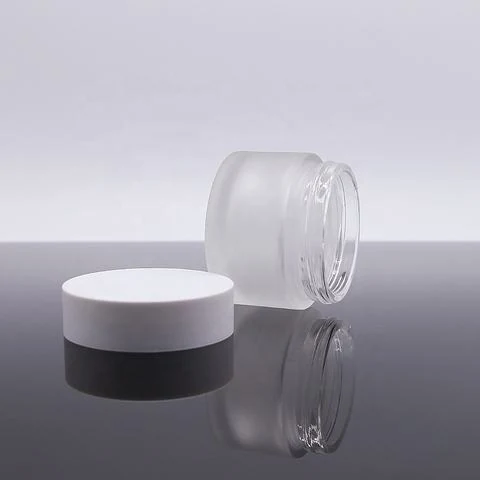
Food processing also contributes to glass container demand in Malaysia. Products such as sauces, condiments, cooking pastes, and preserved foods are frequently packaged in glass jars and bottles because glass prevents chemical interaction with the contents.
Malaysia’s position within Southeast Asia provides manufacturers with strong export opportunities. The country trades actively with nearby markets such as Singapore, Indonesia, Thailand, and Vietnam. Regional trade agreements within ASEAN support smoother movement of industrial products and packaging materials across borders.
Industrial zones in Selangor, Johor, and Penang host many manufacturing facilities, including glass production plants. These areas offer good transportation infrastructure, access to seaports, and proximity to consumer goods manufacturers.
Malaysia also benefits from a skilled manufacturing workforce and strong industrial policies that encourage foreign investment. These advantages help maintain stable glass container production despite competition from larger manufacturing economies.
Sustainability has become a growing priority for Malaysian manufacturers. Recycling programs and increased use of recycled glass help reduce energy consumption in furnace operations.
Glass production requires very high temperatures, so energy efficiency remains a major operational focus. Many factories now invest in improved furnace designs and better energy management systems.
Automation also continues to improve manufacturing productivity. Digital inspection systems, automated forming machines, and modern packaging lines help factories maintain consistent quality and reduce product defects.
With continued economic growth in Southeast Asia and rising consumer demand for premium packaging, Malaysia’s glass bottle manufacturing sector is expected to remain a stable contributor to the regional packaging industry.
Part 2: Leading Companies
Malaysian Sheet Glass Sdn. Bhd.
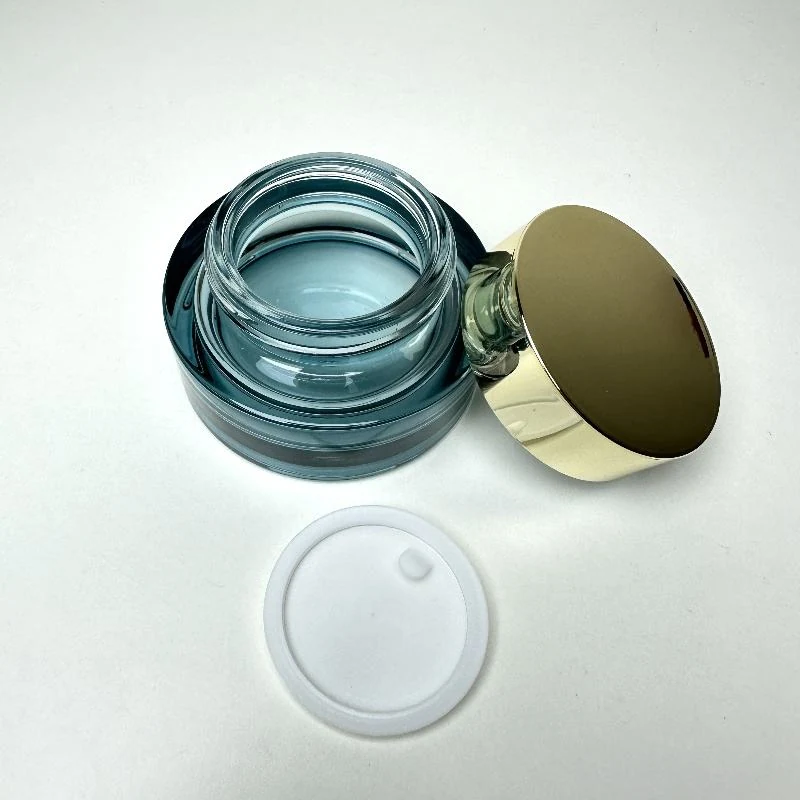
Malaysian Sheet Glass Sdn. Bhd. is a well-known glass manufacturer operating within Malaysia’s industrial sector. Established in the late twentieth century, the company has developed expertise in glass production for several industrial and packaging applications.
The company produces various types of glass products, including containers used in beverage and food packaging. Many manufacturers in the region rely on its products for packaging solutions that require durability and clarity.
Malaysian Sheet Glass serves industries such as beverage production, food processing, and consumer goods manufacturing. These sectors require reliable packaging materials that protect product quality during storage and transportation.
Modern production equipment helps the company maintain stable manufacturing performance. Automated forming technology and digital inspection systems ensure consistency in bottle thickness, clarity, and structural strength.
The company also focuses on sustainability and efficient resource management. Recycled glass materials are integrated into the production process to reduce raw material consumption and improve environmental performance.
Quality management certifications and environmental compliance standards support the company’s reputation as a dependable glass manufacturer in the region.
KIG Glass Industrial Berhad
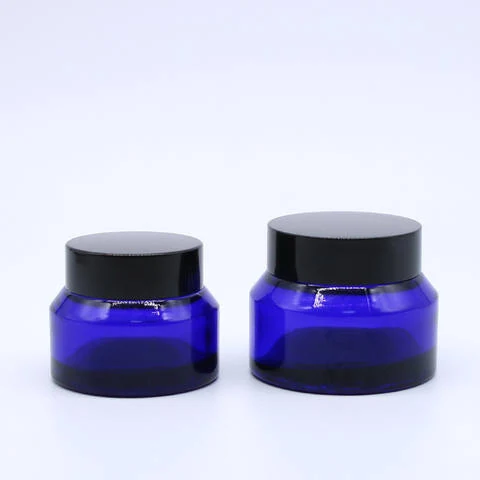
KIG Glass Industrial Berhad is another important player in Malaysia’s glass manufacturing industry. Founded in the 1980s, the company has grown into a recognized producer of glass packaging products.
The company manufactures a range of glass containers including beverage bottles, food jars, and specialty packaging for consumer goods. These containers are widely used by regional beverage brands and food processing companies.
KIG Glass serves industries such as brewing, food packaging, and consumer goods manufacturing. Many companies depend on its containers for packaging products that require long shelf life and strong product protection.
Innovation and production efficiency remain key priorities. The company operates modern glass forming equipment that allows large-scale production while maintaining consistent product quality.
Bottle design and mold development services allow customers to develop customized packaging solutions that support brand identity and product differentiation.
KIG Glass Industrial Berhad has achieved several industry certifications related to manufacturing quality and environmental standards.
Hume Cemboard Industries (Glass Division)

Hume Cemboard Industries operates several industrial manufacturing divisions, including operations connected with glass production and building materials. The company participates in Malaysia’s broader glass manufacturing ecosystem.
Glass containers produced through its industrial network are used in packaging applications for food, beverages, and consumer goods. These products support both domestic consumption and regional exports.
The company works with industries such as beverage manufacturing, food processing, and consumer product packaging. These sectors require reliable glass containers that maintain product safety and visual appeal.
Manufacturing facilities incorporate modern production technologies and quality control systems that help maintain consistent output.
Energy efficiency and environmental sustainability remain important operational priorities. Recycling programs and energy management systems help reduce the environmental impact of glass production.
Industry certifications related to quality assurance and environmental management strengthen the company’s credibility within Malaysia’s manufacturing sector.
| Company | Founded | Core Products | Industries | Certifications |
|---|---|---|---|---|
| Malaysian Sheet Glass | 1970s | Glass containers | Beverage, food | Quality certifications |
| KIG Glass Industrial | 1980s | Beverage bottles, jars | Brewing, food | Environmental certifications |
| Hume Cemboard (Glass Division) | 1980s | Glass containers | Consumer goods | Quality management certifications |
Part 3: Trade Shows and Industry Events
Propak Malaysia
Propak Malaysia is one of the region’s important exhibitions for packaging and processing technologies. The event gathers manufacturers, equipment suppliers, and packaging specialists from across Southeast Asia.

The exhibition is usually held in Kuala Lumpur and attracts professionals from industries such as food processing, beverage production, pharmaceuticals, and consumer goods manufacturing.
Glass bottle manufacturers attend the event to present new packaging designs, lightweight bottle technologies, and sustainable glass solutions.
Visitors often explore automation equipment, packaging machinery, and innovative container designs that improve production efficiency and product presentation.
Malaysia International Machinery Fair (MIMF)
The Malaysia International Machinery Fair is another key event that showcases manufacturing technology and industrial equipment.
The event typically takes place in Kuala Lumpur and attracts manufacturers from multiple sectors including packaging, plastics, food processing, and glass production.
Glass manufacturers attend the fair to explore new furnace technology, automation systems, and production equipment that improve operational efficiency.
These innovations help factories increase production output while maintaining high quality standards.
| Event | Date | Location | Highlights |
|---|---|---|---|
| Propak Malaysia | Annual | Kuala Lumpur | Packaging innovation and processing technologies |
| Malaysia International Machinery Fair | Annual | Kuala Lumpur | Industrial machinery and manufacturing technology |
Part 4: Impact of Global Trade Policies
Global trade policies influence Malaysia’s glass bottle manufacturing industry in several important ways. Trade agreements, environmental regulations, and global supply chain dynamics all shape how manufacturers operate and compete in international markets.
Malaysia participates in several regional trade agreements that encourage cross-border commerce within Southeast Asia. These agreements allow manufacturers to export glass containers to neighboring countries with fewer tariffs and trade barriers.
The ASEAN Economic Community plays a key role in promoting regional manufacturing cooperation. Beverage and food companies often source packaging materials from suppliers within the region to reduce transportation costs.
Energy pricing remains a major factor for glass manufacturers. High furnace temperatures require continuous energy supply, so fluctuations in energy costs can significantly influence production expenses.
Environmental regulations are also becoming stricter across many countries. Manufacturers are encouraged to improve recycling programs, reduce emissions, and increase energy efficiency.
Supply chain disruptions in recent years have highlighted the importance of regional manufacturing networks. Many companies now prefer suppliers located closer to production facilities in order to minimize logistics risks.
Despite competition from larger manufacturing countries, Malaysia remains competitive due to its stable industrial environment and strategic location in Southeast Asia.
These advantages help Malaysian manufacturers serve regional packaging markets effectively.
Part 5: Conclusion
Malaysia’s glass bottle manufacturing industry plays an important supporting role in Southeast Asia’s packaging ecosystem. Demand from beverage, food, and consumer goods industries ensures stable production and consistent market demand.
Regional trade integration and strong industrial infrastructure provide manufacturers with valuable export opportunities.
However, the industry must continue adapting to rising energy costs, stricter environmental standards, and growing international competition.
Investment in automation, recycling technology, and energy-efficient production systems will remain essential for long-term sustainability.
With continued modernization and strong regional demand, Malaysia’s glass bottle manufacturers are well positioned to remain active participants in the Southeast Asian packaging market.