Skip to content
Part 1: Market Size and Growth
Mauritius has a small but active glass bottle market that is closely connected to its beverage, food processing, and hospitality industries. The country is known for rum production, mineral water brands, and a vibrant tourism sector. Glass bottles are widely used because they support premium branding, preserve product quality, and align with sustainability goals.
Domestic consumption plays a central role in shaping the market. Hotels, restaurants, beverage producers, and food exporters require high-quality packaging for both local sales and international markets. Tourism growth also increases demand for bottled beverages, sauces, and specialty food products.
Mauritius also positions itself as a regional trade hub in the Indian Ocean. Many products manufactured on the island are exported to Africa, Europe, and Asia. Because of this, packaging standards often follow international quality requirements, especially for food and beverage exports.
Structure of the Glass Packaging Industry
The glass bottle industry in Mauritius operates on a modest scale compared with larger manufacturing countries. Only a few facilities produce glass containers locally, while many bottles are imported from international suppliers.
Local manufacturers mainly focus on beverage containers such as beer bottles, rum bottles, and soft drink bottles. These factories serve domestic beverage brands and some export-oriented producers.
Imported bottles supplement local production when demand increases. Many suppliers ship glass containers from Europe, South Africa, India, and Asia.
Key Application Sectors
Glass bottles in Mauritius serve several important sectors, with beverages dominating the market.
| Segment | Typical Products | Demand Drivers |
|---|---|---|
| Alcoholic Beverages | Rum bottles, beer bottles, spirits packaging | Tourism and exports |
| Non-Alcoholic Drinks | Water bottles, soda bottles, juice containers | Retail and hospitality |
| Food Products | Sauce bottles, oil containers, jam jars | Food processing industry |
| Cosmetics | Perfume bottles, skincare packaging | Luxury retail sector |
The rum industry is particularly significant. Mauritius produces internationally recognized rum brands, and glass bottles play an important role in premium product presentation.
Logistics and Import Channels
Mauritius relies heavily on maritime logistics due to its island geography. Most glass bottles are transported through Port Louis, the country’s main commercial port.
Shipping costs and logistics planning strongly influence packaging supply. Beverage companies usually maintain inventory buffers to avoid supply disruptions.
Local distributors also play a critical role in managing bottle supply for smaller beverage and food producers.
Sustainability and Recycling
Mauritius has increasingly emphasized sustainability and environmental responsibility. Glass packaging fits well within these goals because it is recyclable and reusable.
Some beverage companies operate bottle return systems. These systems allow bottles to be collected, cleaned, and reused multiple times before recycling.
Government and private sector initiatives also encourage recycling programs and waste reduction. As environmental policies continue to develop, glass packaging is likely to maintain a strong position in the Mauritian packaging market.
Overall, the glass bottle market in Mauritius remains stable and closely connected to tourism, beverage production, and export-oriented food industries.
Part 2: Leading Companies
Phoenix Glass Ltd
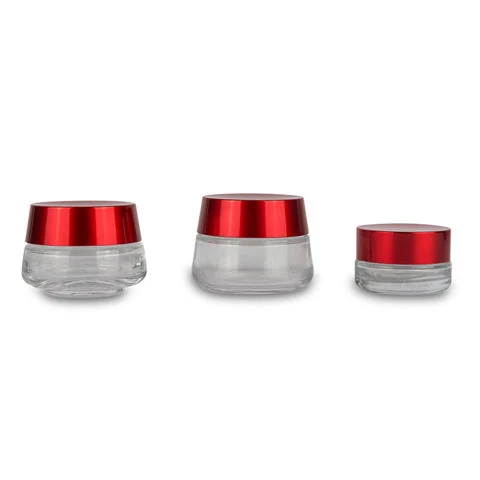
Phoenix Glass Ltd is one of the most well-known glass container manufacturers in Mauritius. The company was established to support the country’s beverage industry, particularly the brewing and rum production sectors.
The company produces a wide range of glass bottles and jars. Its product line includes beer bottles, rum bottles, beverage containers, and food packaging jars. These containers serve local beverage producers and food manufacturers.
Phoenix Glass Ltd supplies industries such as brewing, spirits production, soft drinks, and food processing. Many Mauritian beverage brands rely on its glass bottles for consistent quality and reliable supply.
The company focuses on modern production technology and quality control systems. Investments in furnace efficiency and automated inspection help maintain high production standards.
Phoenix Glass Ltd also promotes sustainability by increasing the use of recycled glass in production. This approach helps reduce energy consumption and environmental impact.
Grays Inc. Ltd
Grays Inc. Ltd is a major beverage producer in Mauritius and a key driver of demand for glass bottles. The company produces a wide range of alcoholic beverages, including rum and spirits.
Founded in the early twentieth century, the company has become one of the leading beverage brands on the island. Its products are widely distributed both locally and internationally.
Glass bottles play a crucial role in the company’s packaging strategy. Premium rum products often use distinctive bottle designs to enhance brand identity.
Grays Inc. Ltd collaborates with glass packaging suppliers to develop customized bottle shapes and decorative designs. These packaging elements help differentiate its products in competitive export markets.
The company has also implemented sustainability initiatives related to packaging and recycling systems.
Saverglass
Saverglass is an international manufacturer known for producing high-end glass bottles for wines and spirits. Although headquartered in France, the company supplies premium packaging to many global markets, including Mauritius.
Saverglass specializes in luxury glass packaging for spirits and wine brands. Its products include customized bottles, embossed glass designs, and decorative finishes.
The company works closely with premium beverage brands that require distinctive packaging. Custom molds, engraving, and screen printing are part of its service offering.
Industries served include rum, whiskey, cognac, and premium wine brands. Luxury cosmetics packaging also forms part of its portfolio.
| Saverglass invests heavily in research and development to improve sustainability and design innovation. Lightweight glass technology and recycled glass integration are important areas of focus. | Company | Founded | Core Products | Industries | Certifications |
|---|---|---|---|---|---|
| Phoenix Glass Ltd | 20th century | Beer bottles, rum bottles, glass jars | Beverage and food industries | Quality and environmental standards | |
| Grays Inc. Ltd | Early 1900s | Alcoholic beverages using glass packaging | Rum and spirits production | International beverage standards | |
| Saverglass | 1897 | Premium spirit and wine bottles | Luxury beverage brands | International quality certifications |
Part 3: Trade Shows and Industry Events
Africa Food Manufacturing Exhibition
Africa Food Manufacturing is a major trade event that connects food producers, packaging suppliers, and processing technology companies from across Africa. Glass packaging manufacturers frequently participate to present new bottle designs and sustainable packaging solutions.
The exhibition is typically held in Cairo and attracts thousands of industry professionals. Companies from Mauritius often attend to explore new packaging technologies and establish partnerships with international suppliers.
The event highlights innovations in packaging materials, automation systems, and food safety solutions.
Propak Africa
Propak Africa is another important trade show focused on packaging technology and manufacturing solutions. The event gathers companies from across the African continent.
Held in Johannesburg, Propak Africa showcases new packaging equipment, materials, and sustainability initiatives. Glass bottle manufacturers often introduce lightweight bottle designs and recycling technologies.
| For Mauritian companies, attending this event helps build connections with suppliers and distributors across the region. | Event | Date | Location | Highlights |
|---|---|---|---|---|
| Africa Food Manufacturing | Annual | Cairo, Egypt | Food processing and packaging innovation | |
| Propak Africa | Every 3 years | Johannesburg, South Africa | Packaging technology and sustainability |
Part 4: Impact of Global Trade Policies
Global trade policies significantly influence the glass bottle market in Mauritius. Because the island imports many raw materials and packaging products, international trade conditions affect supply chains and pricing. Shipping costs, import tariffs, and global logistics disruptions can influence the availability of glass bottles for local manufacturers.

Mauritius maintains several trade agreements that support international commerce. These agreements help the country export rum, food products, and manufactured goods to markets in Europe, Africa, and Asia.
Shipping and Logistics Challenges
As an island nation, Mauritius depends heavily on maritime transportation. Glass bottles must often be transported over long distances, which increases logistics costs.
Companies carefully manage inventory levels to avoid shortages. Large beverage producers typically maintain long-term supply contracts with packaging manufacturers.
Efficient port infrastructure at Port Louis plays a key role in maintaining stable supply chains.
Regional Competition
Glass bottle suppliers from Europe, India, China, and South Africa compete to serve the Mauritian market. These manufacturers often operate large-scale production facilities with high capacity.
Local companies compete by offering faster delivery and customized packaging solutions tailored to local beverage brands.
Sustainability Policies
Environmental sustainability is becoming increasingly important in Mauritius. Government policies encourage recycling, waste reduction, and responsible packaging practices.
Glass packaging aligns well with these goals because it is recyclable and reusable. Many beverage producers already implement bottle return programs.
Future Industry Outlook
Future growth in the glass bottle market will likely follow the expansion of the tourism and beverage sectors. Premium rum exports and specialty food products require attractive and reliable packaging.
Technological improvements in lightweight glass and recycling systems may also improve efficiency and reduce environmental impact.
Part 5: Conclusion
The glass bottle industry in Mauritius reflects the country’s strong beverage culture and export-oriented economy. Local manufacturers and international suppliers provide packaging solutions for rum, beer, food products, and cosmetics. Glass remains an essential packaging material because it supports premium branding, product safety, and environmental sustainability.
At the same time, the industry faces challenges related to logistics costs, limited domestic production capacity, and dependence on imported packaging materials. Continued investment in recycling systems, supply chain efficiency, and packaging innovation will help strengthen the future of the Mauritian glass bottle market.