Skip to content
Part 1: Market Size and Growth
Montenegro has a small but steadily developing packaging market that serves the beverage, food processing, and hospitality industries. The country’s growing tourism sector and expanding beverage production have increased the demand for reliable packaging solutions. Glass bottles remain an important packaging choice because they preserve flavor, provide premium presentation, and support sustainable recycling systems.

The beverage sector drives most of the glass bottle demand in Montenegro. Wine producers, craft breweries, and mineral water companies all rely on glass packaging for their products. Glass containers help maintain product quality while also offering visual appeal for retail shelves. As Montenegro’s beverage exports increase, producers require packaging that meets international quality standards.

Government initiatives to support manufacturing and tourism also influence the packaging industry. Infrastructure improvements, trade partnerships with European markets, and investment incentives encourage business development. These policies help local beverage brands expand their presence in regional and global markets.
Beverage and Wine Industry Demand
Wine production plays a central role in Montenegro’s glass bottle market. The country has a long tradition of vineyards and winemaking, and local wineries package most of their products in glass bottles. Glass protects wine quality and supports aging processes.
Craft breweries also contribute to bottle demand. The rise of local craft beer brands has increased the need for distinctive bottle designs that reflect brand identity. Many breweries choose glass bottles to maintain flavor stability and create a premium drinking experience.
Mineral water and soft drink producers also rely on glass packaging. Although plastic bottles dominate some beverage segments, glass containers remain popular for premium products and restaurant service.
Tourism and Hospitality Influence
Tourism significantly affects packaging demand in Montenegro. Hotels, restaurants, and bars serve large numbers of international visitors each year. These businesses often prefer glass bottles for beverage service because they create a more refined presentation.
Restaurants commonly serve wine, sparkling water, and premium beverages in glass bottles. Many brands design their packaging to match the country’s tourism-driven hospitality environment.
Retail souvenir markets also contribute to glass bottle demand. Visitors often purchase bottled wine, spirits, and specialty products as gifts. Attractive bottle designs help increase sales in these markets.
Regional Supply Chains
Montenegro’s packaging supply often relies on both local distributors and regional manufacturers. Because the country has a relatively small manufacturing base, many glass bottles are imported from nearby European producers.
Efficient logistics networks connect Montenegro with packaging suppliers across the Balkans and the European Union. These networks allow beverage companies to maintain stable bottle supply for production and export operations.
| Segment | Key Drivers | Typical Products |
|---|---|---|
| Wine Industry | Vineyard production and exports | Wine bottles |
| Craft Brewing | Growing craft beer market | Beer bottles |
| Beverage Sector | Mineral water and soft drinks | Beverage bottles |
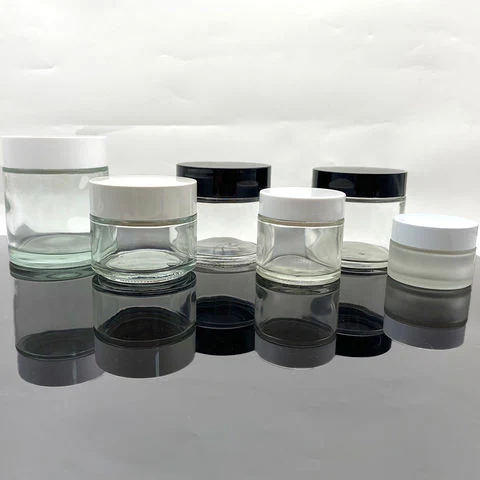
| Food Processing | Sauces and specialty foods | Glass jars |
Part 2: Leading Companies
Planta?e 13. Jul
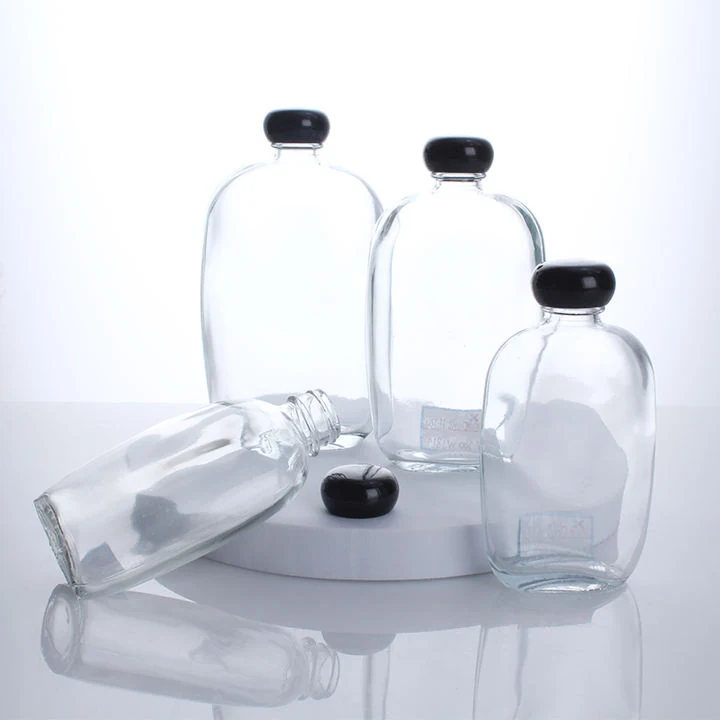
Planta?e 13. Jul is one of the most well-known wine producers in Montenegro. The company operates large vineyards and modern wine production facilities. Its wines are widely distributed both domestically and internationally.
The winery packages most of its products in glass bottles designed to preserve flavor and aging quality. Bottle shape and labeling play an important role in presenting the brand’s identity and heritage.
Planta?e 13. Jul serves supermarkets, restaurants, hotels, and export markets. Its wines appear in many European retail chains and hospitality venues.
The company continues to invest in production technology and packaging design. These improvements help maintain consistent bottle quality and improve efficiency in bottling operations.
The brand has received recognition at international wine competitions and maintains a strong reputation in the regional wine industry.
Trebjesa Brewery
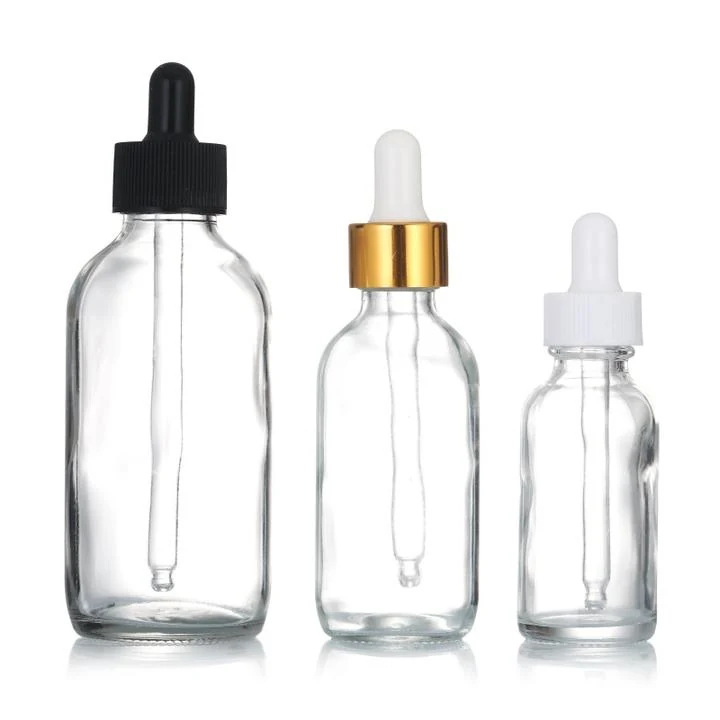
Trebjesa Brewery is one of Montenegro’s largest beer producers. The brewery manufactures popular beer brands that are distributed across the country and neighboring markets.
Its production lines rely on durable glass bottles designed for efficient filling and transportation. Bottles must meet strict quality standards to maintain consistent bottling operations.
The brewery serves supermarkets, bars, restaurants, and hospitality venues throughout Montenegro. Tourism also contributes to beer consumption, especially during the summer season.
Packaging logistics remain an important part of the company’s operations. Distribution networks ensure that bottles move efficiently from factories to retail outlets.
Trebjesa Brewery has earned recognition for its role in Montenegro’s beverage industry and continues to expand its production capabilities.
Goranovi? Winery
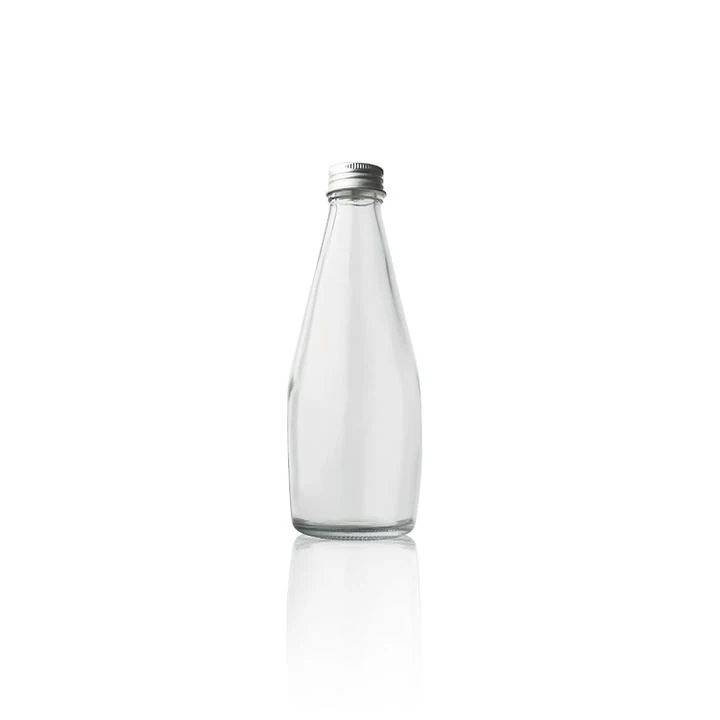
Goranovi? Winery represents a smaller but respected wine producer in Montenegro. The winery focuses on premium wines and carefully crafted production methods.
Glass bottles are essential for preserving wine quality and presenting a refined brand image. Many of the winery’s products feature elegant bottle shapes and detailed labeling.
The winery serves domestic restaurants, specialty wine shops, and export partners. Tourism-driven wine tasting experiences also support product visibility.
Packaging innovation plays a role in maintaining brand differentiation. Designers work to create bottle styles that reflect the winery’s heritage and craftsmanship.
Goranovi? Winery continues to gain attention for its quality wines and its contribution to Montenegro’s growing wine industry.
| Company | Founded | Core Products | Industries | Certifications |
|---|---|---|---|---|
| Planta?e 13. Jul | 1963 | Wine bottles | Wine industry | International wine awards |
| Trebjesa Brewery | 1896 | Beer bottles | Brewing industry | Beverage quality certifications |
| Goranovi? Winery | 2000s | Premium wine bottles | Wine sector | Regional wine competition awards |
Part 3: Trade Shows and Industry Events
Montenegro International Wine Salon
The Montenegro International Wine Salon is a major event for the country’s wine industry. Wineries, distributors, and hospitality professionals gather to present products and discuss industry trends.

The event usually takes place in Podgorica and attracts both domestic producers and international wine buyers. Exhibitors showcase wines, packaging designs, and production technologies.
Networking sessions allow wineries and packaging suppliers to build partnerships. These connections help companies expand distribution and export opportunities.
Adriatic Food and Beverage Expo
The Adriatic Food and Beverage Expo focuses on food production, beverage manufacturing, and packaging innovation across the Adriatic region.

The event rotates among several Balkan cities and attracts companies from across Southeast Europe. Participants present products, packaging materials, and manufacturing equipment.
Glass packaging suppliers often display bottle designs and labeling solutions at the expo. Beverage companies use the event to evaluate packaging options for new product launches.
| Event | Date | Location | Highlights |
|---|---|---|---|
| Montenegro International Wine Salon | Annual | Podgorica | Wine exhibitions and industry networking |
| Adriatic Food and Beverage Expo | Annual | Rotating Adriatic cities | Food, beverage, and packaging innovation |
Part 4: Impact of Global Trade Policies
Global trade policies influence the glass bottle market in Montenegro through tariffs, logistics costs, and trade agreements with European markets. Because Montenegro participates in regional trade frameworks with the European Union and Balkan countries, packaging supply chains often extend across borders.
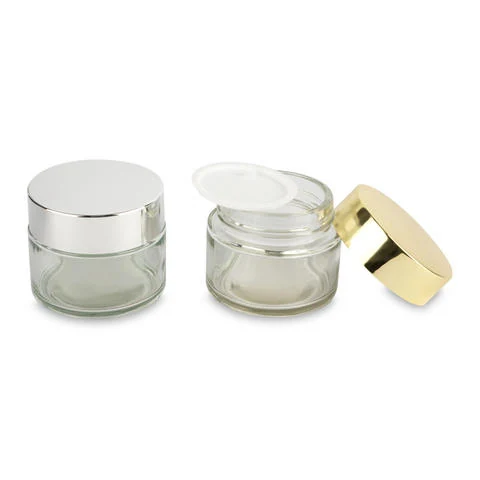
Regional trade agreements allow beverage companies to import glass bottles from neighboring countries with fewer trade barriers. This access to external suppliers helps maintain stable packaging supply.
Shipping logistics also play an important role. Glass containers require careful transport because they are heavy and fragile. Efficient ports and road networks help ensure reliable delivery.
Supply Chain Considerations
Glass bottle production requires continuous furnace operations and stable raw material supply. Many beverage companies maintain long-term partnerships with packaging suppliers to guarantee consistent bottle availability.
Warehousing and inventory planning also help prevent production interruptions. Bottling facilities often store extra containers to maintain stable operations during peak demand periods.
Distribution systems must also protect bottles from breakage during transportation. Crates and protective packaging materials help reduce damage and maintain product quality.
Sustainability and Recycling
Environmental awareness is increasing across Europe and the Balkan region. Governments and businesses encourage recycling programs and responsible packaging practices.
Glass bottles offer strong sustainability advantages. They can be recycled repeatedly without losing quality. Many beverage producers also support bottle return programs that allow containers to be reused several times.
Recycling systems help reduce waste while providing raw materials for future glass production. These programs support long-term sustainability in the packaging industry.
| Policy Area | Impact on Industry | Example Effects |
|---|---|---|
| Regional Trade Agreements | Easier cross-border supply | Bottle imports from EU markets |
| Logistics Infrastructure | Efficient transportation | Stable packaging distribution |
| Environmental Regulations | Recycling programs | Growth of reusable glass bottle systems |
Part 5: Conclusion
Montenegro’s glass bottle market continues to grow alongside the country’s beverage, wine, and tourism industries. Wineries, breweries, and beverage producers rely on glass containers to maintain product quality and brand presentation. Glass bottles remain an essential packaging choice because they combine durability, recyclability, and premium appearance.
Challenges still exist, including limited domestic manufacturing capacity and reliance on imported packaging materials. However, expanding tourism, wine exports, and regional trade partnerships create strong opportunities for packaging suppliers. Companies that focus on reliable supply chains and innovative bottle designs will continue to support the development of Montenegro’s packaging industry.