Skip to content

Part 1: Market Size and Growth
Norway is not a large country in terms of population, but it has a strong tradition of industrial manufacturing and sustainable production. Glass packaging plays an important role in several Norwegian industries, especially beverages, food products, and pharmaceuticals. The country's focus on sustainability and recycling has also strengthened the position of glass as a preferred packaging material.

Demand for glass bottles in Norway continues to grow alongside premium beverage markets. Craft beer, specialty beverages, and health-focused products often prefer glass packaging because it preserves taste and presents a high-quality image. Consumers in Norway also show strong environmental awareness, which increases the appeal of recyclable packaging like glass.
Government policies support sustainable manufacturing and circular economy systems. Norway operates one of the most advanced bottle return systems in the world. This system encourages consumers to recycle glass containers and helps create a steady supply of recycled raw materials. These policies encourage manufacturers to invest in efficient and environmentally responsible glass production.
Industrial Background
Norway’s industrial structure is unique compared with many European countries. The country focuses strongly on energy, marine industries, and advanced materials. Glass production exists mainly to support packaging, laboratory equipment, and specialty glass applications.
Because the domestic market is relatively small, many companies serve both local and export markets. Nordic cooperation also plays an important role. Glass manufacturers in Norway often supply customers across Scandinavia.
Energy availability has historically supported industrial production. Hydropower provides a large share of Norway’s electricity. This energy structure helps manufacturers reduce carbon emissions compared with fossil-fuel-based production.
Key Application Sectors
The beverage industry is the largest consumer of glass bottles in Norway. Breweries, mineral water companies, and specialty beverage producers depend on reliable glass packaging. Craft breweries in particular prefer glass bottles because they protect flavor and allow attractive label designs.
Food products also use glass containers widely. Norwegian companies produce sauces, jams, seafood products, and gourmet foods that require safe packaging. Glass jars help preserve freshness and extend shelf life.
Pharmaceutical and laboratory sectors represent another important application field. These industries require high-purity glass containers and strict quality control standards.
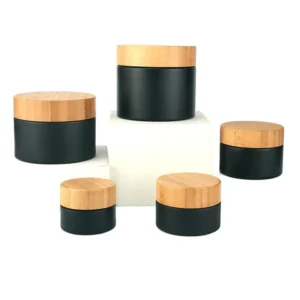
Cosmetics and wellness products also contribute to glass packaging demand. Norwegian skincare brands often use glass bottles to emphasize purity, sustainability, and premium quality.
Sustainability and Recycling
Norway has one of the most efficient recycling systems in Europe. The country’s deposit return system encourages consumers to return bottles after use. This system significantly increases recycling rates and reduces packaging waste.
Glass bottles collected through recycling programs are sorted and processed for reuse. Recycled glass can be melted and turned into new bottles without losing quality. This process reduces energy consumption and raw material use.
Manufacturers also focus on lightweight glass bottle designs. Lightweight bottles require less raw material and reduce transportation emissions. These innovations support Norway’s broader environmental goals.
Companies increasingly adopt energy-efficient furnaces and modern automation systems. These technologies help reduce operational costs and improve product consistency.
Part 2: Leading Companies
Hadeland Glassverk
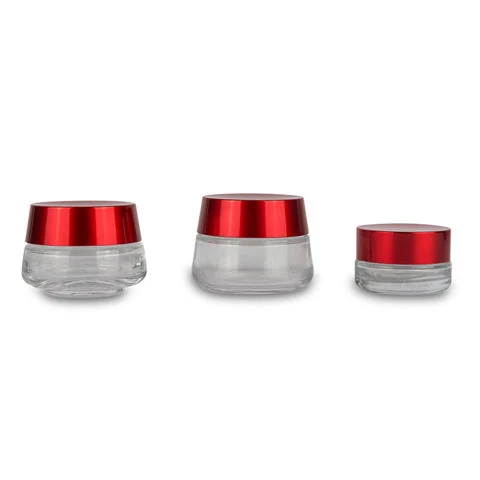
Hadeland Glassverk is one of Norway’s most historic glass manufacturers. The company was founded in 1762 and is located near the village of Jevnaker. Over centuries, it has built a strong reputation for glass craftsmanship and high-quality production.
The company produces a variety of glass products including bottles, tableware, and decorative glass items. While it is well known for artistic glass, it also supplies functional glass containers for beverage and specialty packaging markets.
Hadeland Glassverk collaborates closely with designers and brands. These collaborations allow the company to develop unique bottle shapes and premium glass packaging. Such designs are especially valuable for craft beverage producers and specialty food brands.
Craftsmanship remains an important part of the company’s identity. Skilled glassmakers combine traditional techniques with modern production technology. This balance helps maintain quality while supporting innovation.
The company has also embraced sustainable production practices. Energy efficiency and recycled materials play a role in modern glass manufacturing processes. Hadeland Glassverk has received recognition for preserving Norwegian glassmaking heritage while adapting to modern industry demands.
Ardagh Group (Nordic Operations)
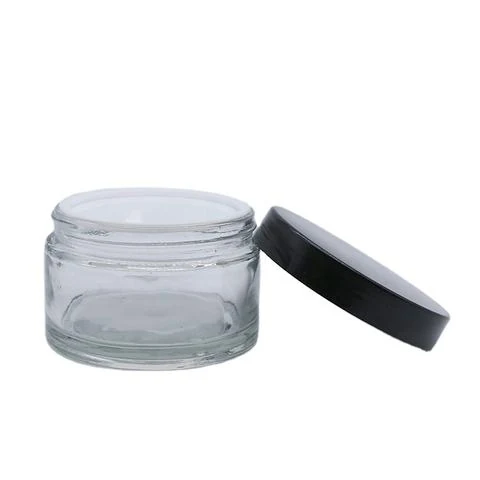
Ardagh Group is an international leader in glass and metal packaging. Although headquartered in Europe, the company operates across many countries including the Nordic region. Its facilities supply glass bottles and jars for beverage and food markets.
Ardagh produces a wide range of glass containers including beer bottles, beverage bottles, and food jars. These products serve breweries, beverage companies, and food producers across Scandinavia.
Large-scale production capacity allows Ardagh to maintain stable supply chains. Beverage brands require consistent bottle quality and reliable delivery schedules. Ardagh’s global manufacturing network helps meet these demands.
Innovation plays a major role in the company’s operations. Engineers work on lightweight bottle technology and improved furnace efficiency. These developments help reduce environmental impact while maintaining product strength.
Ardagh also emphasizes recycling and circular packaging systems. Recycled glass materials are widely used in its manufacturing processes. Environmental certifications and sustainability initiatives support the company’s reputation in global packaging markets.
Vitro Packaging Nordic
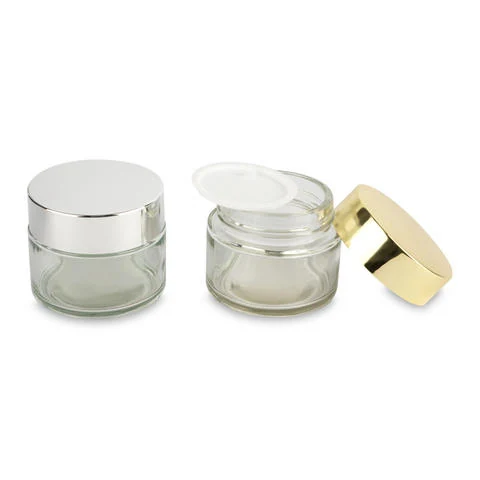
Vitro Packaging Nordic serves the Scandinavian market with glass packaging solutions. The company focuses on beverage bottles and food containers for regional brands. Its operations support both domestic producers and export-oriented businesses.
The company produces glass bottles for beer, juices, and specialty beverages. Food jars for sauces, condiments, and gourmet products are also part of its portfolio. These containers are designed to meet strict food safety and packaging standards.
Vitro Packaging Nordic collaborates closely with beverage companies and craft breweries. Custom bottle shapes and embossing designs help brands create distinctive packaging. This design flexibility supports premium product positioning.
Quality control is a central priority for the company. Automated inspection systems check bottle thickness, shape accuracy, and structural strength. These systems help ensure reliable packaging for food and beverage products.
The company also supports sustainable packaging initiatives. Recycled glass content and energy-efficient production technologies reduce environmental impact. Many Nordic brands prefer suppliers that align with sustainability goals.
| Company | Founded | Core Products | Industries | Certifications |
|---|---|---|---|---|
| Hadeland Glassverk | 1762 | Glass bottles, tableware, decorative glass | Beverage, craft products | Quality and heritage industry certifications |
| Ardagh Group | 1932 | Beverage bottles, food jars | Beverage, food packaging | ISO and sustainability certifications |
| Vitro Packaging Nordic | 20th Century | Beverage bottles, specialty containers | Beverage, food | International packaging standards |
Part 3: Trade Shows and Industry Events
Nordic Packaging Conference
The Nordic Packaging Conference is an important industry event in Scandinavia. The conference gathers professionals from packaging manufacturing, logistics, and consumer goods industries. Glass packaging companies attend to present new technologies and sustainable solutions.
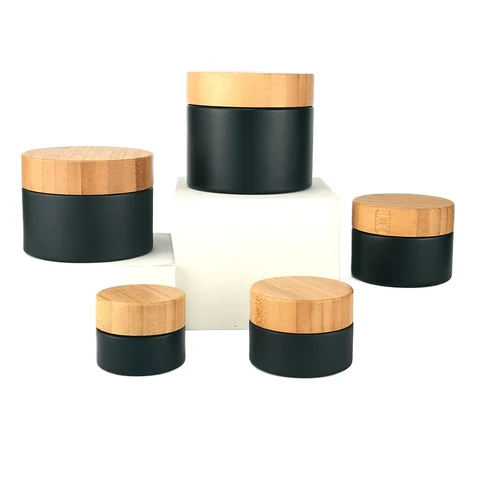
The event is hosted in different Nordic cities each year. Participants include packaging engineers, brand owners, and manufacturing companies. The conference provides opportunities for knowledge exchange and business networking.
Glass packaging discussions often focus on recycling systems and sustainable materials. Companies share innovations related to lightweight glass bottles and energy-efficient manufacturing processes.
Scanpack Exhibition
Scanpack is one of the largest packaging exhibitions in Northern Europe. The event is held in Gothenburg, Sweden, and attracts visitors from across the Nordic region. Packaging manufacturers and suppliers present new products and technologies during the exhibition.
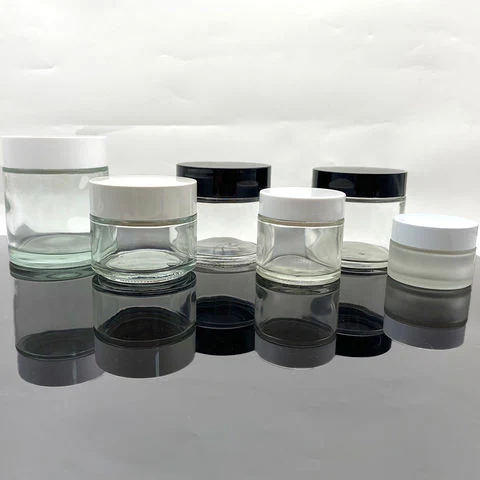
The exhibition covers a wide range of packaging solutions including glass, plastic, metal, and paper materials. Many beverage brands attend the event to explore new packaging ideas and supplier partnerships.
Glass bottle manufacturers often showcase decorative techniques and advanced production technologies. Sustainability remains a major theme of the exhibition.
| Event | Date | Location | Highlights |
|---|---|---|---|
| Nordic Packaging Conference | Annual | Rotating Nordic cities | Sustainable packaging discussions |
| Scanpack | Every three years | Gothenburg, Sweden | Packaging innovation and technology |
Part 4: Impact of Global Trade Policies
Global trade policies influence the glass bottle industry in Norway in several ways. Transportation costs, environmental regulations, and international competition all affect packaging supply chains. Glass bottles are heavy products, so logistics costs strongly influence sourcing decisions.
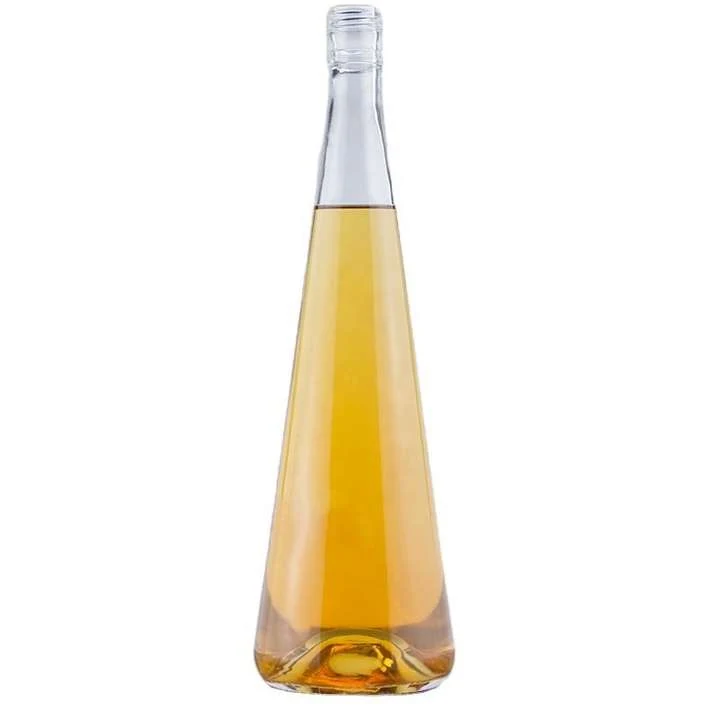
Trade relationships within Europe and the Nordic region help reduce barriers for manufacturers. Regional trade agreements allow companies to export glass bottles to neighboring countries with relatively low tariffs.
However, competition from international manufacturers continues to grow. Glass bottle suppliers from Eastern Europe and Asia often compete on price. These companies may offer large production capacity and lower manufacturing costs.
Environmental policies also influence the industry. Norway has strict environmental standards that encourage sustainable manufacturing. These regulations require companies to invest in cleaner production technologies.
Energy costs represent another important factor for glass manufacturers. Furnaces require extremely high temperatures to melt raw materials. Efficient energy use and modern furnace technology help reduce production costs.
Supply chain stability has become a priority for many beverage and food companies. Some brands prefer regional suppliers to reduce transportation risks. This trend supports local and regional glass manufacturing.
Part 5: Conclusion
Norway’s glass bottle industry operates within a unique environment that emphasizes sustainability, quality, and innovation. Beverage producers, food companies, and specialty brands continue to rely on glass packaging for its safety and premium image. Strong recycling systems and environmental awareness help maintain stable demand for glass bottles.
At the same time, the industry faces challenges from global competition and energy costs. Manufacturers must continue investing in efficient technology and sustainable production methods. Companies that combine traditional craftsmanship with modern manufacturing will remain competitive in the Nordic packaging market.