Skip to content
Part 1: Market Size and Growth
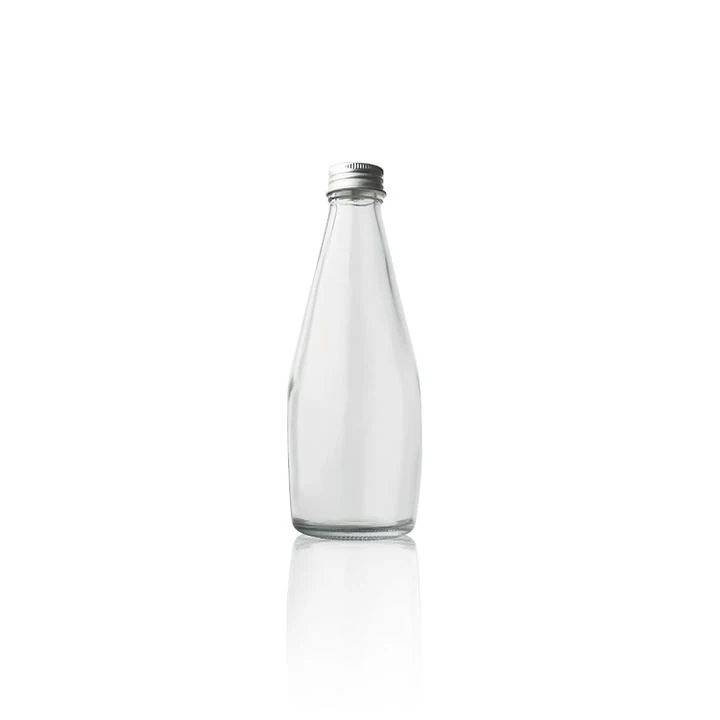
Peru has developed a steadily expanding packaging industry over the past two decades. The country’s growing beverage, food processing, and pharmaceutical sectors all depend on reliable packaging solutions. Among these options, glass bottles remain one of the most trusted materials because they protect product purity and maintain product taste.
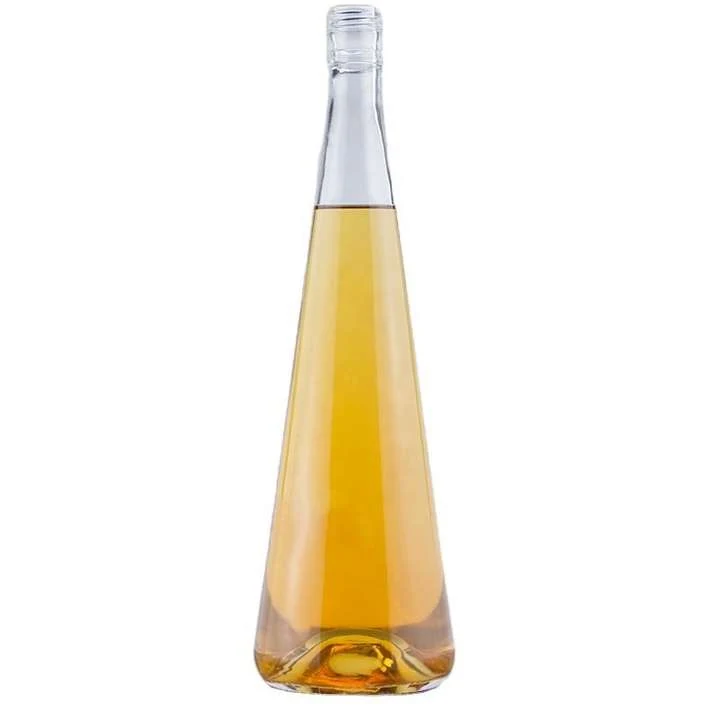
The demand for glass bottles in Peru continues to grow as beverage production increases and premium products enter the market. Beer, pisco, wine, and soft drinks rely heavily on glass containers. These products benefit from the durability and visual appeal that glass packaging provides.
Government support for industrial development and export growth also helps the packaging sector expand. Peru has improved its manufacturing infrastructure and logistics networks, which allows local glass bottle producers to serve domestic markets and export products to neighboring countries in Latin America.
Beverage Industry as the Main Driver
The beverage industry remains the largest consumer of glass bottles in Peru. Beer production leads the market because Peru has a strong brewing tradition and a growing craft beer scene. Breweries require large volumes of glass bottles for both domestic consumption and export markets.
Pisco production also contributes to demand. Pisco is a well-known Peruvian spirit, and its packaging plays a major role in brand identity. Many producers choose distinctive glass bottle shapes to highlight the heritage and authenticity of their products.
Wine production in southern regions of Peru also requires glass bottles for packaging and storage. Wine producers often select glass because it preserves flavor and protects the quality of the beverage during long-term storage.
Growth of Food and Specialty Products
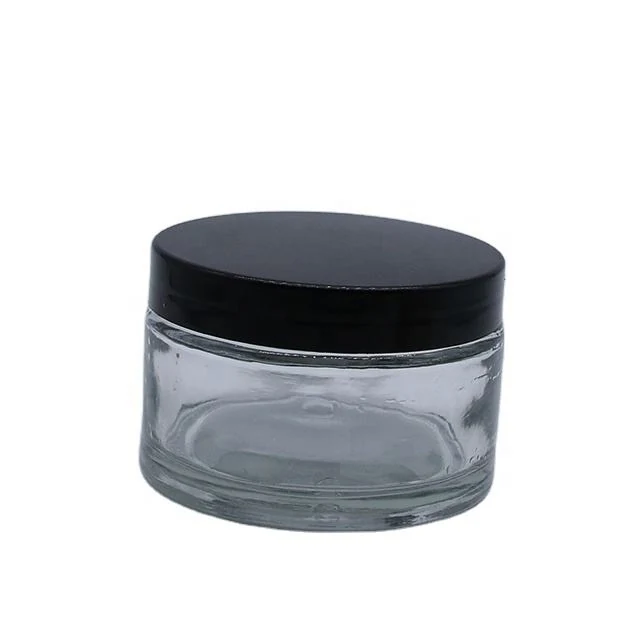
Glass containers are widely used in Peru’s food industry. Products such as sauces, jams, honey, and preserved fruits often use glass jars because glass does not react with food ingredients. This helps maintain flavor and ensures long shelf life.
Specialty food brands also prefer glass packaging because it communicates product quality and authenticity. Organic and artisanal food companies often select glass containers to appeal to consumers who value natural ingredients and sustainable packaging.
The cosmetics and pharmaceutical industries also use glass bottles for certain products. Essential oils, medical solutions, and perfumes rely on glass containers because they provide chemical stability and protection from contamination.
Sustainability and Recycling Efforts
Sustainability has become an increasingly important topic in Peru’s packaging sector. Glass bottles support environmental goals because they can be recycled repeatedly without losing their original quality. Recycling systems collect used bottles and convert them into cullet for reuse in manufacturing.
Many beverage companies operate returnable glass bottle programs. Consumers return empty bottles to retailers, and manufacturers clean and refill them for future use. This system reduces packaging waste and lowers production costs.
The use of recycled glass also improves manufacturing efficiency. When cullet is added to furnaces during production, it melts faster than raw materials. This reduces the amount of energy required for melting and lowers overall carbon emissions.
Technological Improvements in Manufacturing
Glass bottle manufacturers in Peru continue to invest in modern production technology. Automated forming machines shape molten glass into bottles with precise dimensions. These machines allow factories to maintain consistent product quality across large production volumes.
Inspection technologies also help ensure that every bottle meets strict standards. Cameras and sensors examine each bottle for defects such as cracks, bubbles, or uneven shapes. Defective bottles are removed automatically from the production line.
Manufacturers also use computer modeling software to design new bottle shapes. Engineers test bottle strength and weight in digital simulations before production begins. This approach helps companies create lightweight bottles that reduce material usage while maintaining durability.
Part 2: Leading Companies
Owens-Illinois Peru
Owens-Illinois Peru operates as part of one of the world’s largest glass packaging manufacturers. The company runs advanced glass container production facilities that supply bottles for beverage and food companies across Peru and other parts of Latin America.
The company produces bottles for beer, soft drinks, spirits, and food packaging. Its manufacturing facilities use automated forming machines and advanced inspection systems that ensure consistent quality and strength.
Owens-Illinois Peru serves industries such as beverage production, food processing, and pharmaceuticals. The company focuses strongly on sustainability, including recycling initiatives and lightweight bottle design. Its operations follow international quality management standards.
Vidrios Lirquen Peru Division
Vidrios Lirquen operates in several South American markets and has established a presence in Peru’s glass packaging sector. The company focuses on producing glass bottles and containers for beverage and food industries.
Its manufacturing facilities produce bottles used for beer, wine, and specialty beverages. The company also manufactures glass jars used for food products such as sauces and preserved foods.
Vidrios Lirquen serves breweries, wineries, and food producers throughout the region. The company invests in energy-efficient production equipment and recycling programs. Its operations follow quality standards that ensure reliable packaging performance.
Cristalerías del Perú
Cristalerías del Perú is one of the most established glass manufacturing companies in the country. The company produces glass containers and bottles used in beverage, food, and consumer goods industries.
The company’s production facilities manufacture bottles for beer, pisco, wine, and soft drinks. Its design teams also work with beverage brands to develop customized bottle shapes that strengthen brand identity.
Cristalerías del Perú serves multiple industries including beverage production, food processing, and hospitality markets. The company invests in modern furnace technology and automated inspection systems to maintain consistent product quality.
Company Comparison
| Company | Founded | Core Products | Industries | Certifications |
|---|---|---|---|---|
| Owens-Illinois Peru | 1903 | Beverage bottles, food jars | Beer, spirits, food | ISO quality standards |
| Vidrios Lirquen Peru | 1991 | Glass bottles and containers | Beverage, food | ISO manufacturing standards |
| Cristalerías del Perú | 1965 | Beverage bottles | Beer, pisco, wine | ISO, environmental certifications |
Part 3: Trade Shows and Industry Events
Expoalimentaria Peru
Expoalimentaria is one of the most important food and beverage exhibitions in Latin America. The event takes place annually in Lima and attracts companies involved in food production, packaging, and logistics.
Glass bottle manufacturers attend the exhibition to showcase packaging solutions for beverage and food brands. The event also allows suppliers to connect with distributors, retailers, and international buyers.
Expoalimentaria highlights innovations in packaging materials, production technologies, and export strategies. Conferences and business meetings provide valuable opportunities for networking and industry collaboration.
Pack Peru Expo
Pack Peru Expo focuses specifically on packaging technology and materials. The exhibition gathers manufacturers, packaging designers, and logistics providers from across Latin America.
Glass bottle manufacturers participate in the exhibition to present new bottle designs and sustainable packaging solutions. Visitors include beverage companies, food producers, and packaging distributors.
The exhibition also hosts technical seminars where experts discuss packaging innovation, recycling technologies, and manufacturing efficiency.
Event Summary
| Event | Date | Location | Highlights |
|---|---|---|---|
| Expoalimentaria Peru | September | Lima, Peru | Food industry and packaging innovation |
| Pack Peru Expo | August | Lima, Peru | Packaging technology and materials |
Part 4: Impact of Global Trade Policies
Global trade policies influence the development of Peru’s glass bottle manufacturing industry. Tariffs, energy costs, and environmental regulations affect production strategies and international competitiveness.

Peru participates in several regional and international trade agreements that support export growth. These agreements allow glass packaging manufacturers to ship products to other Latin American markets with fewer trade barriers.
Energy pricing is another important factor because glass production requires extremely high temperatures in furnaces. Manufacturers must carefully manage fuel consumption and invest in efficient furnace technologies.
Global supply chain disruptions also affect the availability of raw materials such as silica sand and soda ash. Many companies diversify suppliers and increase recycling programs to maintain stable production.
Part 5: Conclusion
The glass bottle manufacturing industry in Peru continues to grow as beverage, food, and pharmaceutical industries expand. Glass packaging remains highly valued because it protects product quality and supports recycling systems. Manufacturers that invest in modern technology and sustainable production will benefit from increasing demand across Latin America.
However, the industry also faces challenges such as rising energy costs and global supply chain uncertainties. Companies that improve operational efficiency, strengthen recycling infrastructure, and maintain strong partnerships with beverage brands will remain competitive in the evolving packaging market.