Skip to content

Part 1: Market Size and Growth
Slovakia has a long tradition in glassmaking, with craftsmanship and industrial production dating back several centuries. Today, the country maintains a strong position in the European glass industry, especially in packaging glass and decorative glass products. Glass bottles remain essential for beverages, food products, cosmetics, and pharmaceutical packaging across Slovakia and nearby European markets.
The country benefits from its location in Central Europe. Slovakia sits close to major markets such as Germany, Austria, Hungary, and the Czech Republic. This location allows manufacturers to export glass containers efficiently across the European Union. Many beverage and food companies rely on Slovak glass factories to supply bottles for regional distribution.

The beverage industry is the largest consumer of glass bottles in Slovakia. Beer, wine, mineral water, and spirits require millions of bottles every year. Slovakia has a strong brewing tradition, and breweries often prefer glass bottles because they maintain flavor and carbonation.
Food processing also drives demand for glass packaging. Products such as sauces, jams, pickled vegetables, and cooking oils are commonly packaged in glass jars and bottles. Glass packaging protects flavor while allowing consumers to see the product inside.
The cosmetics and pharmaceutical industries also rely on glass containers. Many skincare products, perfumes, and medicines require stable packaging materials that do not react with chemical ingredients. Glass provides strong chemical resistance and protects sensitive formulations.
European environmental policies also encourage the use of recyclable materials. Glass bottles can be recycled repeatedly without losing quality. Many beverage companies in Slovakia use returnable glass bottle systems that reduce waste and packaging costs.
Main Demand Segments
| Sector | Typical Products | Reason for Using Glass |
|---|---|---|
| Beverage | Beer, wine, mineral water | Taste preservation |
| Food Processing | Jams, sauces, pickled foods | Shelf stability |
| Cosmetics | Perfumes, skincare products | Chemical safety |
| Pharmaceutical | Medicine containers | Sterile packaging |
The glass industry in Slovakia also benefits from modern manufacturing technology. Many factories operate advanced furnaces and automated production lines. These technologies allow manufacturers to produce lightweight bottles while maintaining durability.
Industrial investment and strong export markets continue to support the growth of the glass packaging sector. As European demand for sustainable packaging increases, glass bottles remain a preferred option for many brands.
Part 2: Leading Companies
Vetropack Nem?ová
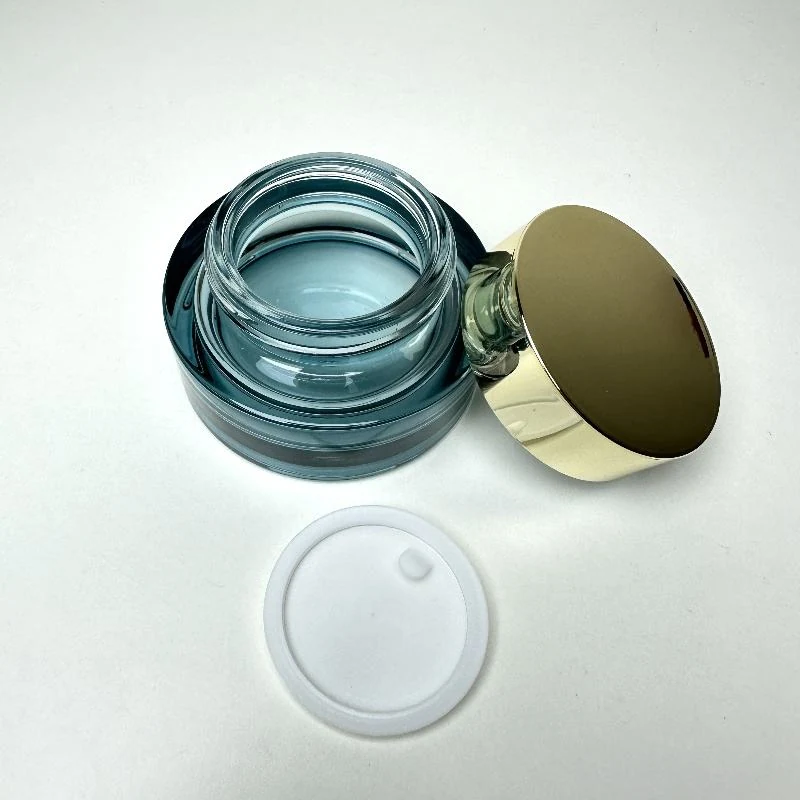
Vetropack Nem?ová is one of the most important glass container manufacturers in Slovakia. The company is part of the Vetropack Group, a European packaging glass producer that supplies bottles and jars to beverage and food companies across the continent.
The factory in Nem?ová produces a wide range of glass containers. These include bottles for beer, mineral water, wine, and soft drinks. The plant also manufactures glass jars used in the food processing industry.
Modern production equipment allows the facility to produce millions of bottles each year. Automated inspection systems check bottle quality during manufacturing to ensure consistent standards.
Vetropack also focuses heavily on sustainability. Recycled glass is used as a raw material in the production process. Using recycled glass reduces energy consumption and lowers environmental impact.
RONA Glassworks

RONA Glassworks is a well-known Slovak glass manufacturer with a long tradition in glass craftsmanship. The company is recognized internationally for producing high-quality glassware, including beverage containers and decorative glass products.
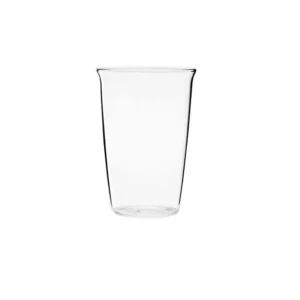
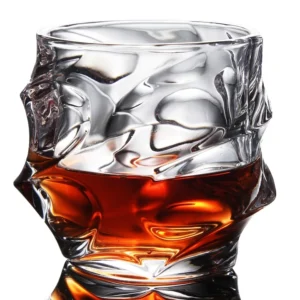
The company produces various glass products such as wine glasses, drinking glasses, and specialty containers. While much of its production focuses on tableware, RONA also manufactures glass packaging for certain beverage applications.
Design and craftsmanship are central to the company’s reputation. RONA develops elegant glass products that combine durability with aesthetic appeal. Many hospitality businesses and beverage brands choose RONA products for premium presentation.
The company exports its products to many international markets. Strong design capability helps RONA compete in both packaging and decorative glass segments.
Owens-Illinois Slovakia
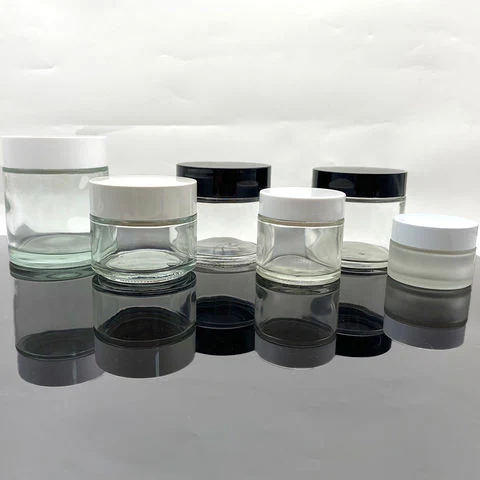
Owens-Illinois, often referred to as O-I Glass, is one of the largest glass container manufacturers in the world. The company operates facilities across Europe and supplies packaging to global beverage and food companies.
In Slovakia, O-I facilities produce glass containers for beverages and food products. These include beer bottles, wine bottles, spirits bottles, and food jars. Large beverage companies depend on O-I for reliable supply and consistent bottle quality.
The company uses advanced manufacturing technology to produce high volumes of glass containers. Production lines are designed to operate continuously with strict quality control systems.
O-I also invests heavily in sustainability initiatives. Recycled glass materials are used extensively in bottle production. These practices support European environmental goals and reduce manufacturing emissions.
Company Comparison
| Company | Founded | Core Products | Industries | Certifications |
|---|---|---|---|---|
| Vetropack Nem?ová | 20th century | Beverage bottles and jars | Beverage, food | ISO quality standards |
| RONA Glassworks | 1892 | Glassware and specialty containers | Hospitality, beverage | International quality certifications |
| Owens-Illinois Slovakia | Global operations | Glass containers for beverages | Beverage, food | ISO and environmental standards |
Part 3: Trade Shows and Industry Events
Danubius Gastro Exhibition
Danubius Gastro is one of the major food and hospitality exhibitions in Slovakia. The event gathers producers, distributors, and suppliers from across the food and beverage industries.
The exhibition is usually held in Bratislava and attracts companies from Central and Eastern Europe. Beverage producers, restaurants, and packaging suppliers attend the event to explore new products and technologies.
Glass packaging companies often display different bottle designs and decorative techniques during the exhibition. Attractive glass containers help beverage brands stand out in competitive retail markets.
Industry discussions at the event also focus on sustainability and packaging innovation. These topics are increasingly important for companies seeking environmentally friendly packaging solutions.
Slovak Industry Vision Expo
Slovak Industry Vision Expo is a manufacturing-focused event that highlights industrial technologies and innovation. The exhibition includes companies from sectors such as engineering, materials, and packaging.
The event attracts manufacturers, technology providers, and industrial investors. Equipment suppliers present machinery used in glass production, including furnaces and automated inspection systems.
Workshops and presentations during the exhibition discuss topics such as digital manufacturing, industrial automation, and energy efficiency. These innovations help improve production processes across multiple industries.
Networking opportunities allow manufacturers to connect with suppliers and technology partners. Such cooperation supports the modernization of industrial sectors like glass manufacturing.
Event Summary
| Event | Date | Location | Highlights |
|---|---|---|---|
| Danubius Gastro | Annual | Bratislava | Food and hospitality industry exhibition |
| Slovak Industry Vision Expo | Annual | Slovakia | Manufacturing technology and innovation |
Part 4: Impact of Global Trade Policies
Global trade policies strongly influence the glass bottle industry in Slovakia. As part of the European Union, Slovakia participates in the EU single market. This system allows goods to move freely between member states without customs barriers.
Access to the European market provides strong export opportunities for Slovak glass manufacturers. Bottles and jars produced in Slovakia can be distributed across the EU with minimal trade restrictions.
However, global energy prices also affect glass manufacturing costs. Glass furnaces require extremely high temperatures to melt raw materials such as silica sand and soda ash. Rising energy prices can therefore increase production expenses.
Environmental policies in Europe also shape the industry. Regulations encourage recycling and reduction of packaging waste. Glass bottles benefit from these policies because they are fully recyclable.
Supply chain disruptions may also influence production. Delays in raw material supply or transportation can affect manufacturing schedules. Companies often respond by improving inventory management and diversifying suppliers.
Key Trade Factors
| Factor | Impact on Glass Bottle Industry |
|---|---|
| EU single market | Easier export within Europe |
| Energy prices | Influence production cost |
| Environmental regulations | Encourage recyclable packaging |
| Supply chain disruptions | Affect production stability |
Part 5: Conclusion
The glass bottle manufacturing industry in Slovakia remains an important part of the country’s industrial economy. Beverage producers, food companies, and pharmaceutical manufacturers all depend on reliable glass packaging. Slovakia’s central location in Europe and strong manufacturing tradition help maintain its role in the regional packaging market.
However, the industry must continue adapting to changing economic and environmental conditions. Rising energy costs and evolving sustainability regulations create new challenges. Companies that invest in efficient technology, recycled materials, and innovative bottle designs will remain competitive in the European packaging market.