Skip to content
Part 1: Market Size and Growth
Slovenia has a well-established glass manufacturing tradition that dates back centuries. The country sits in Central Europe and benefits from strong industrial infrastructure and access to European markets. Glass bottle production in Slovenia plays an important role in packaging for beverages, food products, and pharmaceuticals.
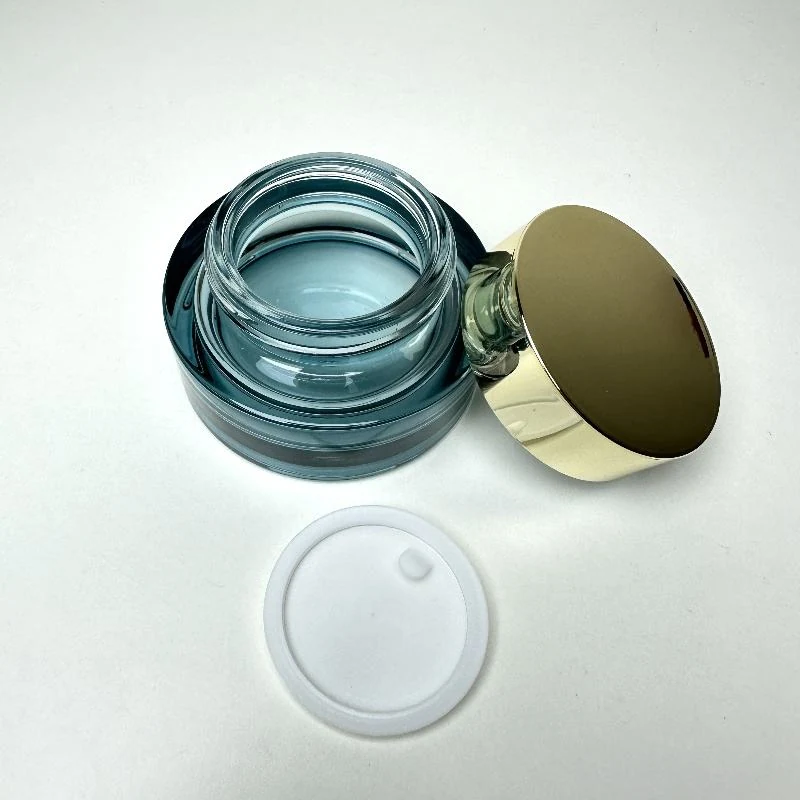
The beverage sector, particularly wine, beer, and mineral water, drives much of the demand for glass bottles in Slovenia. Food companies also rely on glass jars and bottles for sauces, oils, and preserved foods. Glass packaging remains popular because it preserves flavor, ensures product safety, and supports premium branding.
Slovenia’s membership in the European Union provides strong support for manufacturing and export growth. EU regulations encourage recyclable packaging and sustainable materials. These policies have strengthened the position of glass packaging in Slovenia’s consumer goods industries.
Structure of the Slovenian Glass Packaging Market
The Slovenian glass bottle industry is strongly connected to beverage production. The country has a well-known wine culture, and wineries require high-quality glass bottles for product packaging.
Breweries and mineral water companies also consume large volumes of bottles. These products are widely sold throughout Europe, which requires consistent packaging quality and reliable supply chains.
The main industries using glass bottles in Slovenia include:
| Industry | Packaging Use | Growth Driver |
|---|---|---|
| Wine & Spirits | Wine bottles, liquor bottles | Export demand |
| Beverage | Beer bottles, mineral water bottles | Regional consumption |
| Food Processing | Sauce jars, oil bottles | Specialty food brands |
| Pharmaceutical | Medicine bottles, laboratory glass | Healthcare industry |
Tourism also plays a role in the packaging market. Slovenia attracts visitors with its wine regions and natural landscapes. Many wineries and local food producers rely on attractive glass packaging to promote their brands.
Glass bottles are also widely recycled in Slovenia. The country has strong recycling systems that support environmental sustainability. This recycling infrastructure helps maintain a circular economy for glass packaging.
Domestic Manufacturing and Production Capacity
Slovenia has several glass manufacturing companies that produce bottles and containers for both domestic and international markets. These factories use modern furnace technology and automated production lines.
Glass production typically involves melting silica sand and other raw materials at very high temperatures. The molten glass is then shaped into bottles using molds and automated forming machines.
Many Slovenian factories specialize in beverage bottles, including wine bottles and beer bottles. These products are produced in large volumes to meet the needs of wineries and beverage companies.
In addition to standard bottles, some manufacturers produce specialty containers with decorative shapes or embossed logos. These customized bottles help brands differentiate themselves in competitive markets.
The supply chain for glass bottles in Slovenia is relatively efficient. Manufacturers supply bottles directly to beverage companies, while distributors provide packaging for smaller food and cosmetic brands.
Because Slovenia is located in the center of Europe, glass manufacturers can easily export products to nearby countries such as Italy, Austria, Germany, and Croatia.
Opportunities for International Collaboration
Slovenia’s glass bottle industry continues to evolve through innovation and collaboration with international partners. Many companies invest in new production technologies that improve efficiency and sustainability.
Lightweight glass bottles are becoming more common because they reduce transportation costs and carbon emissions. Manufacturers are also exploring new decorative techniques such as colored glass and embossed patterns.
International suppliers sometimes collaborate with Slovenian brands to create custom bottle designs. These partnerships allow beverage companies to build distinctive product identities.
Several strategies help international suppliers work successfully with Slovenian manufacturers:
| Strategy | Benefit |
|---|---|
| Custom bottle molds | Unique product branding |
| Sustainable materials | Environmental compliance |
| Advanced furnace technology | Improved production efficiency |
| Decorative finishes | Premium product appearance |
Slovenia’s strong industrial base and EU market access make it an attractive location for glass packaging development. Companies that focus on innovation and sustainability will continue to find opportunities in this market.
Part 2: Leading Companies
Slovenia is home to several well-known glass manufacturers that supply bottles and containers to industries across Europe. These companies combine traditional craftsmanship with modern production technology.
Steklarna Hrastnik
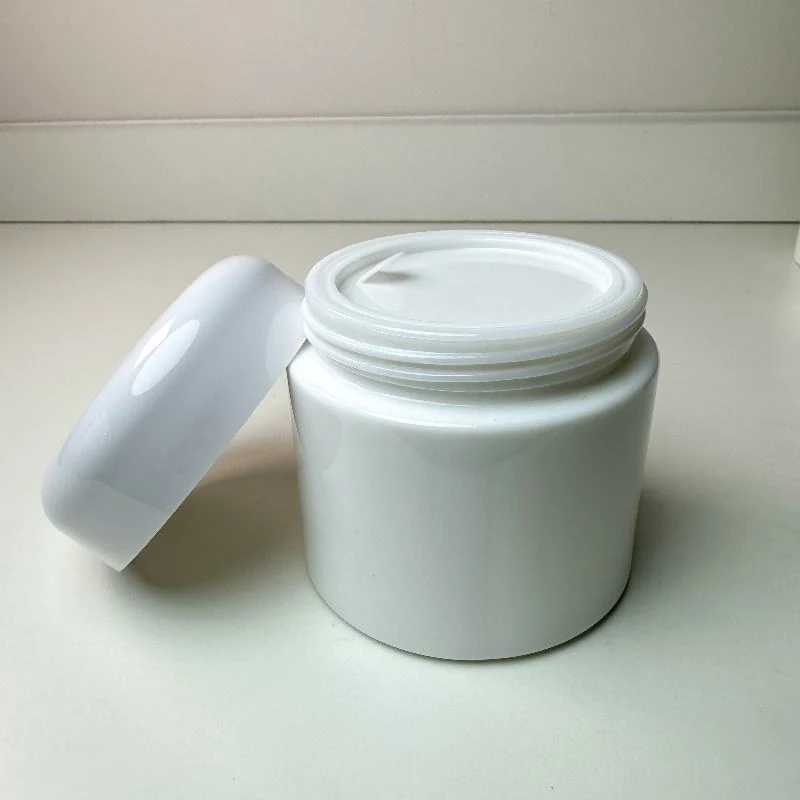
Steklarna Hrastnik is one of Slovenia’s most recognized glass manufacturers. The company has a long history of glass production and is known for producing high-quality glass containers and specialty glass products.
The company produces premium bottles for spirits, cosmetics, and pharmaceutical packaging. Its manufacturing facilities use advanced furnace technology and automated production systems.
Steklarna Hrastnik serves industries such as luxury spirits, cosmetics, and food packaging. The company is particularly known for its ability to produce high-clarity glass and complex bottle shapes.
Innovation plays an important role in the company’s strategy. Steklarna Hrastnik invests heavily in research and development to improve glass strength and sustainability.
The company has received several international certifications related to quality management and environmental standards.
Steklarna Roga?ka
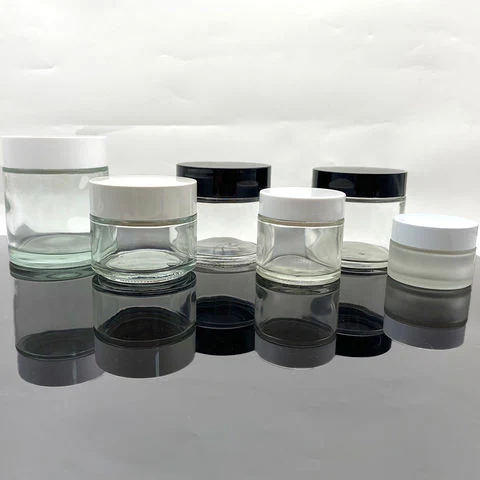
Steklarna Roga?ka is another historic glass manufacturer in Slovenia. The company is famous for producing crystal glassware and decorative glass products.
Although it is best known for luxury tableware, the company also manufactures glass containers used in premium packaging. These products are often used by luxury beverage brands and cosmetic companies.
Steklarna Roga?ka focuses on craftsmanship and artistic design. Many of its products combine traditional glassmaking techniques with modern production methods.
The company serves industries such as hospitality, luxury retail, and specialty packaging. Its products are sold in markets across Europe, Asia, and North America.
Over the years, the company has received numerous awards for design excellence and glassmaking craftsmanship.
Vetropack Stra?a

Vetropack Stra?a is part of the Vetropack Group, a major European glass packaging manufacturer. The Slovenian facility produces glass bottles and containers for the beverage and food industries.
The factory specializes in large-scale production of bottles for beer, wine, and mineral water. Its automated production lines allow the company to produce millions of bottles each year.
Vetropack Stra?a supplies packaging to beverage companies across Slovenia and neighboring countries. The company’s strong logistics network allows it to distribute bottles efficiently throughout Europe.
The facility focuses heavily on sustainability. It uses recycled glass materials and energy-efficient furnaces to reduce environmental impact.
Vetropack Stra?a also maintains several international certifications related to quality management and environmental responsibility.
Company Comparison
| Company | Founded | Core Products | Industries | Certifications |
|---|---|---|---|---|
| Steklarna Hrastnik | 1860 | Premium bottles, specialty glass | Spirits, cosmetics | ISO quality and environmental standards |
| Steklarna Roga?ka | 1927 | Crystal glassware, decorative bottles | Luxury goods, hospitality | Design and craftsmanship awards |
| Vetropack Stra?a | 1996 | Beverage bottles, food containers | Beverage, food processing | International packaging certifications |
Part 3: Trade Shows and Industry Events
Trade exhibitions and industry events play an important role in Slovenia’s glass packaging sector. These events allow manufacturers to showcase products and connect with international partners.
Ljubljana International Trade Fair
The Ljubljana International Trade Fair is one of the country’s largest business exhibitions. It attracts companies from manufacturing, packaging, and industrial sectors.
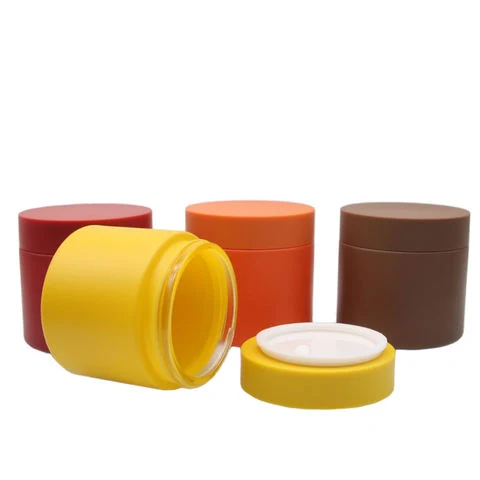
The event usually takes place in Ljubljana and features exhibitors from across Europe. Packaging suppliers often present new bottle designs and manufacturing technologies.
Glass bottle manufacturers use the exhibition to showcase their production capabilities and connect with beverage producers. The event also provides networking opportunities for international partnerships.
Seminars and workshops during the exhibition focus on industrial innovation and sustainability.
Central European Packaging Expo
The Central European Packaging Expo is a regional event that brings together packaging manufacturers, suppliers, and brand owners.
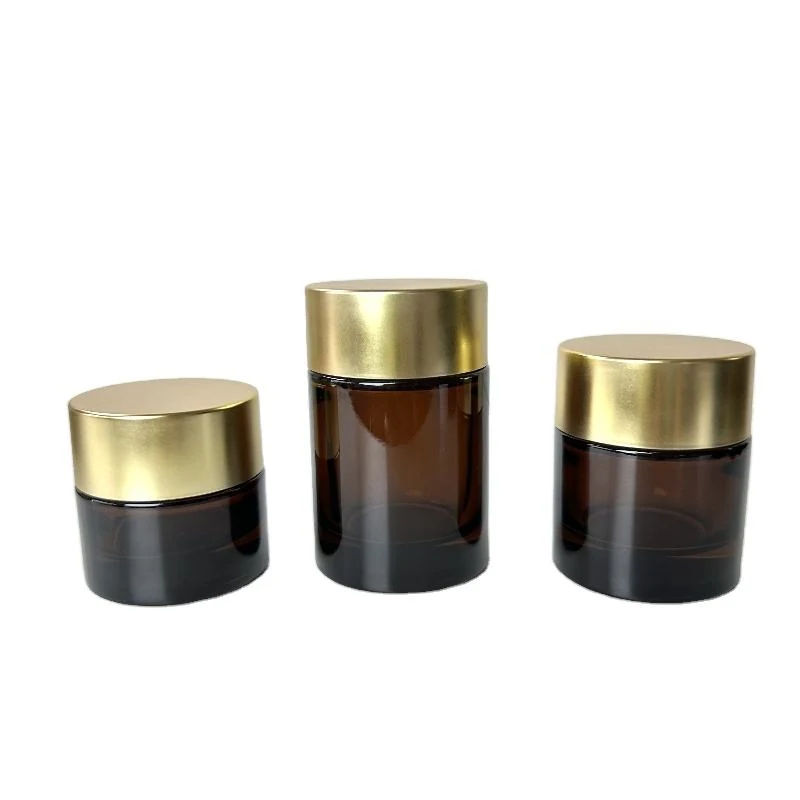
Companies attending the expo display packaging materials, machinery, and design innovations. Glass bottle manufacturers often present lightweight bottles and decorative designs.
The exhibition also highlights sustainable packaging solutions, which have become an important focus in the European market.
Networking sessions at the expo allow beverage companies, wineries, and cosmetic brands to connect with packaging suppliers.
Trade Event Summary
| Event | Date | Location | Highlights |
|---|---|---|---|
| Ljubljana International Trade Fair | Annual | Ljubljana | Industrial innovation and supplier networking |
| Central European Packaging Expo | Annual | Central Europe | Sustainable packaging technologies |
Part 4: Impact of Global Trade Policies
Global trade policies influence Slovenia’s glass bottle industry in several ways. As a member of the European Union, the country follows EU regulations related to packaging, recycling, and environmental standards.
EU sustainability policies strongly support the use of recyclable materials such as glass. These regulations encourage manufacturers to increase recycled content in glass bottles.
Trade agreements within the European Union also make it easier for Slovenian manufacturers to export bottles to other member countries. This access to a large market helps support production growth.
However, global energy prices can affect glass manufacturing costs because glass furnaces require large amounts of energy. Manufacturers often invest in energy-efficient technology to reduce operating expenses.
At the same time, global demand for sustainable packaging continues to rise. Glass bottles are recyclable and environmentally friendly compared with many plastic alternatives. This trend strengthens the long-term role of glass packaging in European markets.
Part 5: Conclusion
Slovenia has a strong tradition of glass manufacturing and remains an important producer of glass bottles in Europe. The country’s beverage, food processing, and luxury goods industries all rely on high-quality glass packaging. As demand for premium and sustainable packaging grows, glass bottles will remain essential for many Slovenian brands.
Leading manufacturers combine advanced technology with traditional craftsmanship to produce a wide range of glass containers. These companies serve both domestic and international markets.
However, the industry still faces challenges such as energy costs and global supply chain fluctuations. Manufacturers must continue investing in efficiency and sustainability to remain competitive.
Despite these challenges, the outlook for Slovenia’s glass bottle industry remains positive. Strong export markets, environmental regulations, and growing consumer demand will continue to support the industry’s development in the years ahead.