Skip to content
Part 1: Market Size and Growth
Sweden has a long tradition in glassmaking. The country is known for both artistic glass and industrial glass production. Over time, glass containers became an important part of Sweden’s packaging industry. Glass bottles remain widely used in beverages, pharmaceuticals, and premium food packaging because they offer purity, durability, and recyclability.
The Swedish glass bottle market grows steadily due to sustainability trends. Beverage brands, breweries, and food companies increasingly choose glass because it aligns with environmental goals. Consumers in Nordic countries often prefer packaging that is recyclable and safe for long-term use. Glass fits this demand well because it can be recycled repeatedly without losing quality.
Government policy also supports this industry. Sweden has one of the most advanced recycling systems in Europe. Deposit return systems encourage consumers to return bottles, which increases recycling rates. These policies reduce waste while ensuring a steady supply of recycled glass for manufacturers.
Nordic Glass Tradition
Sweden’s glassmaking history goes back hundreds of years. Small glassworks began appearing in forest regions during the 18th century. These areas provided wood fuel for furnaces and sand for raw materials. Over time, these small workshops evolved into professional glass manufacturing centers.
The region known as “Glasriket,” or the Kingdom of Crystal, became famous for glass craftsmanship. Many Swedish glassmakers built strong reputations for design and quality. Although these glassworks originally focused on decorative products, their technical knowledge also influenced modern industrial glass manufacturing.
Demand from Beverage and Food Industries
The beverage sector drives much of the demand for glass bottles in Sweden. Breweries, cider producers, and spirits brands rely on glass packaging. Glass protects taste and does not react with the product. It also creates a premium appearance that works well for Nordic branding styles.
Food producers also use glass containers for sauces, jams, and specialty foods. Swedish consumers often associate glass packaging with quality and transparency. When customers can see the product clearly, trust increases and brands gain stronger shelf appeal.
Craft beverage brands especially favor glass packaging. Sweden has seen steady growth in craft breweries and small beverage companies. These producers often look for unique bottle shapes that help express brand identity.
Sustainability and Circular Economy
Sustainability shapes almost every decision in the Swedish packaging industry. Companies aim to reduce carbon emissions and increase recycling rates. Glass fits well into this strategy because it can be reused or recycled many times.
Manufacturers also invest in energy-efficient furnaces and lightweight bottle designs. Lightweight bottles reduce raw material usage and transportation emissions. These improvements help companies meet environmental targets while maintaining product safety.
The Swedish recycling system also provides a reliable supply of cullet, which is crushed recycled glass. Manufacturers melt this material to create new bottles. Using cullet requires less energy than producing glass from raw materials.
Part 2: Leading Companies
Ardagh Glass Sweden

Ardagh Glass Sweden operates as part of the global Ardagh Group, one of the world’s major glass packaging manufacturers. The company manages production facilities that supply bottles to beverage and food brands across Northern Europe. Its Swedish operations focus strongly on sustainable glass packaging solutions.
The company produces a wide range of bottles for beer, soft drinks, spirits, and food products. These bottles come in different sizes, colors, and shapes to meet brand requirements. Many Nordic beverage brands rely on Ardagh because of its consistent production capacity and advanced manufacturing technology.
Ardagh invests heavily in furnace technology and recycling processes. The company aims to increase the use of recycled glass in its production lines. It also develops lightweight bottle designs that reduce environmental impact while maintaining durability.
The company serves industries such as brewing, beverage production, and food packaging. It follows international quality standards and environmental management certifications. These certifications help clients export products across European markets with confidence.
Limmared Glass Factory
Limmared Glass Factory is one of Sweden’s oldest glass manufacturing sites. The factory was founded in the 18th century and continues to operate today. Its long history reflects Sweden’s deep cultural connection with glassmaking.
The factory produces glass containers for beverages and specialty products. Over the years, it has supplied bottles for Swedish beverage brands and traditional drink producers. The facility combines traditional craftsmanship with modern production technology.
Limmared focuses on high-quality glass bottles designed for durability and visual clarity. Many brands value the factory’s ability to produce distinctive packaging. Custom bottle shapes and decorative finishes allow beverage companies to create strong brand identities.
The company serves industries such as beverages, specialty drinks, and food products. It has earned recognition for preserving Swedish glassmaking heritage while adapting to modern manufacturing requirements.
Kosta Glassworks
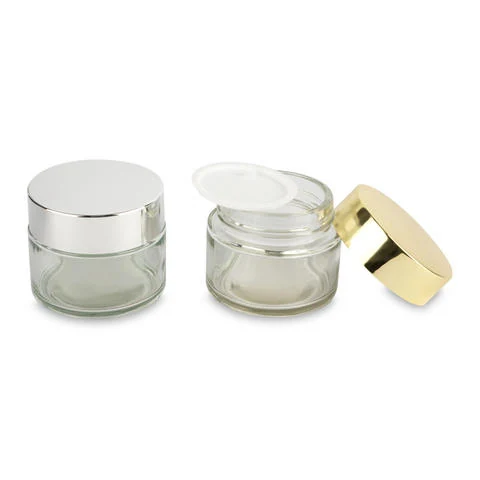
Kosta Glassworks is one of the most famous glass producers in Sweden. The company was founded in 1742 and remains an important part of the country’s glassmaking tradition. While it is widely known for artistic glass, the company also influences modern glass production through design and craftsmanship.
Kosta produces a variety of glass products including decorative items, tableware, and specialty containers. Its expertise in glass shaping and finishing has inspired many packaging designs. Beverage and luxury brands often draw inspiration from Scandinavian glass aesthetics.
The company emphasizes design innovation and artistic collaboration. Designers work closely with glassmakers to create unique forms and textures. These design skills contribute to the broader glass industry by influencing bottle shapes and packaging trends.
Kosta serves industries related to luxury goods, hospitality, and design-focused beverage brands. Its reputation in the design world brings strong recognition and international awards.
| Company | Founded | Core Products | Industries | Certifications |
|---|---|---|---|---|
| Ardagh Glass Sweden | 1930s (group origin earlier) | Beverage bottles, food containers | Brewing, beverages, food | ISO quality and environmental standards |
| Limmared Glass Factory | 1740 | Glass bottles, specialty containers | Beverage, food | Quality manufacturing recognition |
| Kosta Glassworks | 1742 | Decorative glass, specialty containers | Luxury goods, hospitality | International design awards |
Part 3: Trade Shows and Industry Events
Scanpack
Scanpack is one of the largest packaging exhibitions in Northern Europe. The event takes place in Gothenburg and attracts companies from across the packaging supply chain. Glass packaging manufacturers attend the show to present new technologies and sustainable solutions.
The exhibition usually occurs every two years and welcomes thousands of visitors. Participants include packaging producers, machinery suppliers, and brand owners. Many beverage and food companies attend to explore packaging trends.
Scanpack focuses strongly on sustainability and material innovation. Glass manufacturers showcase lightweight bottles, recycled materials, and improved production processes. These technologies help brands meet environmental goals while maintaining product safety.
Nordic Organic Food Fair
The Nordic Organic Food Fair is an important event for sustainable food producers. It takes place in Malm? and attracts organic brands from across the Nordic region. Glass packaging companies often participate because organic products frequently use glass containers.
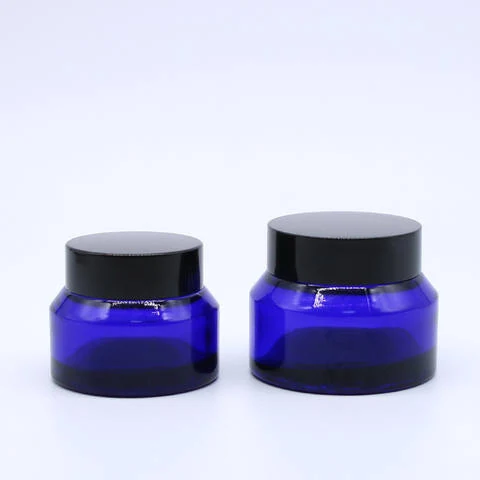
The event gathers food producers, retailers, distributors, and packaging suppliers. Many brands present organic beverages, sauces, oils, and specialty foods. Glass packaging plays a key role because it aligns with natural and environmentally friendly branding.
Exhibitors often highlight sustainable packaging solutions during the fair. Glass manufacturers demonstrate recyclable containers and premium bottle designs. These presentations help brands strengthen their eco-friendly image in the market.
| Event | Date | Location | Highlights |
|---|---|---|---|
| Scanpack | Biennial | Gothenburg, Sweden | Major Nordic packaging exhibition |
| Nordic Organic Food Fair | Annual | Malm?, Sweden | Organic food market and sustainable packaging |
Part 4: Impact of Global Trade Policies
Global trade policies influence Sweden’s glass bottle industry in several ways. European Union regulations shape environmental standards, trade flows, and manufacturing practices. These policies encourage sustainable production while also creating a competitive market environment.

The European Union allows free trade among member states. This system enables Swedish glass manufacturers to export bottles across Europe without major trade barriers. Beverage brands in neighboring countries often source bottles from Sweden when quality and logistics match their needs.
However, energy policy plays a major role in the industry. Glass furnaces require high temperatures, which means significant energy consumption. Changes in electricity prices or carbon regulations can affect production costs. Manufacturers respond by improving furnace efficiency and increasing recycled glass usage.
Supply chain resilience has also become a key topic. Many beverage companies prefer suppliers located within Europe to avoid long shipping routes. Swedish manufacturers benefit from this shift because they can deliver products quickly across the Nordic and European markets.
International competition still affects the industry. Some companies import bottles from regions with lower manufacturing costs. Swedish manufacturers respond by focusing on quality, sustainability, and design. These strengths help them maintain strong relationships with premium beverage brands.
Environmental policies also encourage circular economy practices. Glass packaging fits perfectly within these systems because it can be recycled repeatedly. Sweden’s strong recycling infrastructure supports this model and ensures a steady supply of recycled material.
Part 5: Conclusion
The glass bottle manufacturing industry in Sweden combines tradition with innovation. Centuries of glassmaking expertise support modern packaging production. Beverage, food, and specialty product brands continue to rely on glass because it protects quality and communicates authenticity.
At the same time, the industry faces challenges related to energy costs and global competition. Manufacturers must continue improving efficiency and sustainability. Those that balance environmental responsibility with design innovation will remain key partners for beverage and food brands in the Nordic region and beyond.