Skip to content
Part 1: Market Size and Growth
Trinidad and Tobago has a well-established beverage and food industry, creating a strong demand for glass bottles. The country produces beer, soft drinks, rum, sauces, and specialty food products. Glass bottles are preferred because they protect flavor, ensure product quality, and present a premium image for both local and export products.

The beverage sector, particularly rum distilleries and breweries, drives most of the demand for glass packaging. Food companies use glass jars for sauces, condiments, and jams. Glass is also widely used in pharmaceuticals and cosmetics due to its chemical resistance and visual appeal.
Government initiatives supporting manufacturing and export industries have bolstered local packaging demand. Regional trade agreements with CARICOM countries further facilitate access to neighboring markets. These factors encourage both domestic production and international suppliers to serve the Trinidadian market.
Structure of the Market
The glass bottle market in Trinidad and Tobago is dominated by beverage production, food processing, and cosmetic industries. Large beverage companies require standardized bottles, while smaller food producers often seek flexible order quantities.
The main industries using glass bottles include:
| Industry | Packaging Use | Growth Driver |
|---|---|---|
| Beverage | Beer bottles, rum bottles, soft drinks | Domestic consumption and exports |
| Food Processing | Sauce bottles, jam jars, oil containers | Local food production |
| Pharmaceutical | Medicine bottles, vials | Healthcare demand |
| Cosmetics | Perfume bottles, lotion containers | Boutique brands and exports |
Tourism is another driver of glass bottle demand. Resorts, hotels, and restaurants prefer premium beverages in glass bottles to enhance the guest experience. This dual domestic and export demand keeps the packaging sector active year-round.
Supply Chain and Production
Trinidad and Tobago has both domestic glass manufacturers and importers. Local factories produce beverage bottles and food jars, while international suppliers provide specialized or decorative containers.
Domestic manufacturers focus on standard bottle shapes for beer, soft drinks, and cooking oils. Importers supply glass containers for premium rum, spirits, and cosmetic products. The mix of local production and imports helps meet the full range of market needs.
The supply chain usually starts with manufacturers or importers, then distributors provide bottles to beverage and food producers. Logistics are critical since glass bottles are fragile and heavy. Proper handling ensures products reach clients without breakage.
Despite infrastructure challenges, the market remains stable due to consistent demand from beverage, food, and cosmetic industries. Reliable suppliers are highly valued for long-term partnerships and timely deliveries.
Opportunities for International Suppliers
International glass bottle manufacturers have significant opportunities in Trinidad and Tobago. Premium rum and spirits require high-quality glass with custom designs. Decorative bottles for cosmetic and specialty food products are also in demand.
Foreign suppliers can succeed by offering:
| Strategy | Benefit |
|---|---|
| Custom mold designs | Unique branding and product differentiation |
| Durable and export-grade bottles | Reduced breakage during shipping |
| Flexible order volumes | Supporting small and medium-sized producers |
| Sustainable packaging | Alignment with environmental regulations |
The combination of domestic production and imported specialty bottles allows the country to maintain a diverse packaging supply. As consumer demand and exports grow, high-quality glass bottle suppliers will find lasting opportunities.
Part 2: Leading Companies
Trinidad and Tobago has several key players in the glass bottle sector, including manufacturers and packaging distributors that serve the beverage, food, and cosmetic industries.
National Flour Mills Packaging Division

National Flour Mills produces both food products and glass containers for packaging. Its packaging division supplies bottles and jars for sauces, oils, and specialty products.
The company maintains partnerships with beverage producers and smaller food brands. Glass bottles are produced locally, allowing businesses to avoid import delays and reduce costs.
Its operations serve the food, beverage, and industrial markets. The company focuses on mass-produced containers with consistent quality and durability.
Innovation is a key part of the strategy, with improvements in bottle clarity and strength being implemented regularly. The company also participates in recycling programs to reduce environmental impact.
Angostura Limited Bottling Operations

Angostura Limited is a world-famous producer of bitters and rum. Its bottling operations rely heavily on glass containers for packaging both domestic and export products.
The company works closely with international glass suppliers to ensure premium quality and distinctive bottle shapes. Custom designs, embossed logos, and decorative finishes are standard for many of its products.
Angostura serves the beverage and hospitality sectors. The company also manages distribution to local retailers, bars, and international export markets.
Technology upgrades and modern bottling lines help maintain consistency and efficiency. Angostura’s glass bottles are designed to meet global shipping and quality standards.
Caribbean Glass & Packaging Ltd.

Caribbean Glass & Packaging Ltd. imports and distributes a wide range of glass containers to food and beverage producers. It offers bottles, jars, and specialty packaging sourced from international manufacturers.
The company serves industries such as beverages, cosmetics, and pharmaceuticals. Many smaller businesses rely on Caribbean Glass & Packaging Ltd. because it allows them to access specialized bottles without placing large import orders. Its flexible distribution model supports diverse client needs.
The company continues to expand its supplier network and introduce new designs. This approach helps local brands develop packaging that enhances their retail presentation.
Company Comparison
| Company | Founded | Core Products | Industries | Certifications |
|---|---|---|---|---|
| National Flour Mills Packaging Division | 1960s | Sauce jars, oil bottles | Food, beverage | Local manufacturing standards |
| Angostura Limited Bottling Operations | 1824 | Rum bottles, bitters bottles | Beverage | International quality certifications |
| Caribbean Glass & Packaging Ltd. | 2000s | Imported bottles and jars | Food, beverage, cosmetics | Packaging quality compliance |
Part 3: Trade Shows and Industry Events
Trade shows in Trinidad and Tobago provide opportunities for manufacturers and distributors to showcase packaging technologies and connect with international suppliers.
Trinidad and Tobago Manufacturing Expo
The Trinidad and Tobago Manufacturing Expo is a major event featuring food, beverage, and industrial suppliers. Companies showcase products, machinery, and packaging solutions.
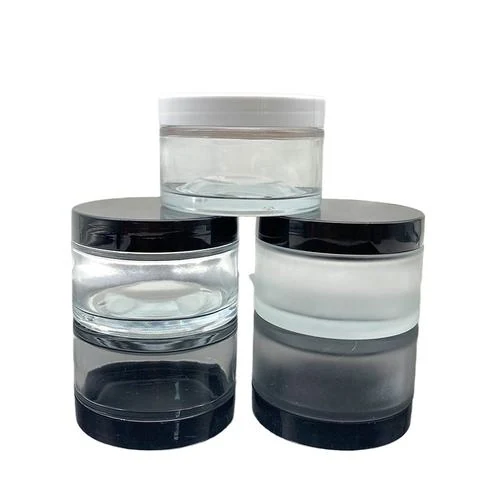
Glass bottle manufacturers display new designs and technologies. Beverage producers and food brands attend to explore packaging solutions and supplier partnerships.
Workshops and seminars focus on industrial growth, export development, and packaging innovation. Networking sessions often lead to new supplier agreements and business collaborations.
Caribbean Food and Beverage Expo
The Caribbean Food and Beverage Expo highlights trends in food and beverage manufacturing and packaging. Exhibitors include glass bottle suppliers, labeling companies, and machinery providers.

The event brings together producers, distributors, and buyers from across the Caribbean region. Glass bottle manufacturers use the expo to showcase premium packaging and decorative bottle options.
Participants attend seminars on product branding, sustainability, and export logistics. Networking sessions allow producers to form partnerships with international suppliers.
Trade Event Summary
| Event | Date | Location | Highlights |
|---|---|---|---|
| Trinidad and Tobago Manufacturing Expo | Annual | Port of Spain | Industrial networking and packaging solutions |
| Caribbean Food and Beverage Expo | Annual | Port of Spain | Food and beverage industry networking |
Part 4: Impact of Global Trade Policies
Global trade policies significantly affect Trinidad and Tobago’s glass bottle market. Import tariffs, shipping regulations, and regional trade agreements influence cost and availability.
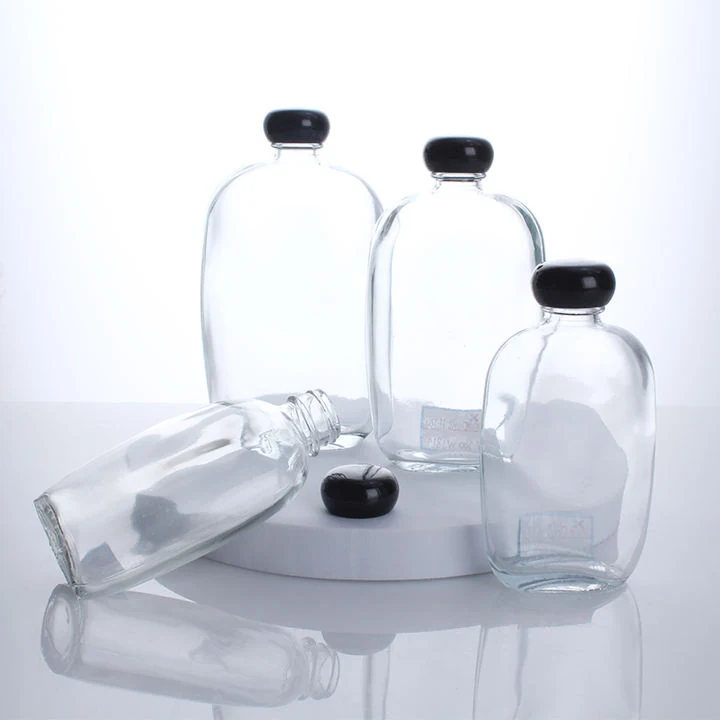
CARICOM trade agreements allow manufacturers to import and export packaging materials more easily within the Caribbean region. These agreements reduce barriers and help maintain stable supply chains.
Shipping logistics play a major role, as glass bottles are heavy and fragile. Delays, rising fuel costs, or port congestion can affect availability.
Local production helps mitigate supply risks. Domestic manufacturers supply standard beverage and food containers, reducing reliance on imports.
Global sustainability trends also impact packaging preferences. Glass bottles are recyclable and environmentally friendly, aligning with international regulations and consumer expectations. Many beverage and food brands continue to choose glass for its quality and eco-friendly appeal.
Part 5: Conclusion
Trinidad and Tobago’s glass bottle market is closely tied to the beverage, food, and cosmetics industries. Domestic manufacturers and distributors provide reliable packaging to support both local consumption and exports. As demand for premium and sustainable packaging grows, glass bottles will remain a key component of the market.
Leading companies combine modern production technologies with strong quality standards. Their products meet the needs of local and international brands while supporting export growth.
The market faces challenges such as energy costs, transportation logistics, and import dependency. However, domestic production, recycling initiatives, and regional trade agreements help mitigate these risks.
Despite these challenges, the outlook remains positive. Rising consumer demand, tourism, and export opportunities will continue to drive the growth of Trinidad and Tobago’s glass bottle industry. Glass packaging will remain essential for the country’s beverage, food, and cosmetic sectors for years to come.