Skip to content
Part 1: Market Size and Growth
Turkey has become one of the most important glass manufacturing hubs between Europe and Asia. The country has a long tradition of glass production, supported by strong industrial infrastructure and access to both regional and international markets. Glass bottles remain widely used in beverages, food packaging, cosmetics, and pharmaceuticals because they offer safety, durability, and a premium appearance.
The demand for glass bottles in Turkey has grown steadily as consumer markets expand. Beverage producers, especially wine, beer, and spirits brands, rely heavily on glass packaging to maintain product quality. Food producers also prefer glass containers because they preserve taste and ensure chemical stability during storage. These factors have pushed manufacturers to expand capacity and adopt modern production technology.
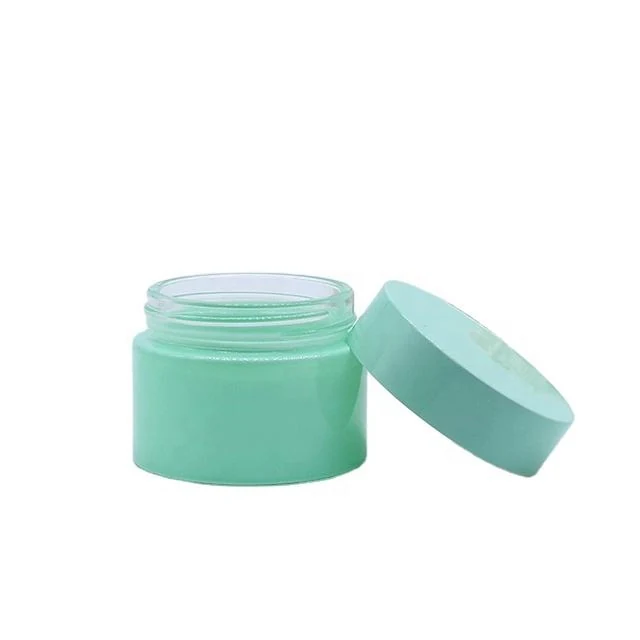
Government support and export-driven manufacturing have also strengthened the industry. Turkey benefits from strong trade connections with Europe, the Middle East, and North Africa. Many glass manufacturers in the country focus on export markets, supplying bottles and jars to international beverage and food brands. Industrial investment and improved logistics networks continue to support the growth of glass packaging production.
Industry Structure and Production Capacity
Turkey’s glass industry is structured around several large manufacturers supported by a network of medium-sized factories. Large companies dominate high-volume production and export markets. These firms operate modern furnaces, automated forming machines, and advanced inspection systems.
Smaller manufacturers also play an important role in the market. Many specialize in decorative bottles, niche packaging designs, or custom production for regional brands. These companies often focus on flexibility and design innovation rather than pure scale.
Glass bottle production requires stable supply chains for silica sand, soda ash, and energy. Turkey has access to these raw materials and also maintains strong industrial infrastructure. Ports along the Mediterranean and Aegean Seas help manufacturers export products efficiently.
Key Demand Drivers
Several industries drive demand for glass bottles in Turkey. The beverage industry remains the largest segment. Wine, beer, mineral water, and spirits producers all require large quantities of glass bottles. Turkey also exports many beverage products, which increases the need for reliable packaging suppliers.
The food processing sector is another important contributor. Olive oil, sauces, pickled vegetables, and specialty foods often use glass containers to preserve flavor and freshness. Consumers frequently associate glass packaging with higher quality and natural ingredients.
The cosmetics and fragrance industry also contributes to demand. Many beauty brands prefer glass bottles for perfumes, essential oils, and skincare products. Glass packaging provides a premium look and protects sensitive formulas from contamination.
Sustainability and Environmental Trends
Environmental concerns now shape packaging decisions across many industries. Glass packaging fits well with sustainability goals because it can be recycled repeatedly without losing quality. This characteristic makes glass an attractive alternative to plastic packaging.
Many Turkish manufacturers are increasing the use of recycled glass, often called cullet, in production. Using recycled material reduces energy consumption and lowers carbon emissions. It also reduces the need for new raw materials.
Companies are also investing in energy-efficient furnaces and improved emission control systems. These upgrades help manufacturers meet stricter environmental standards while maintaining high production capacity.
At the same time, global brands that source packaging from Turkey often demand sustainability certifications. This requirement pushes manufacturers to adopt environmentally responsible production practices and transparent supply chains.
Part 2: Leading Companies
?i?ecam
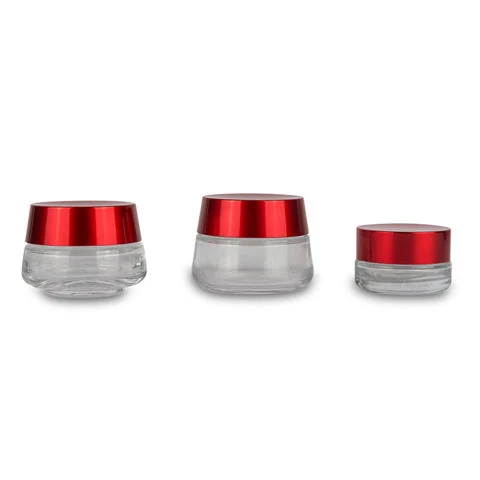
?i?ecam is the largest and most influential glass manufacturer in Turkey. The company was founded in 1935 and has grown into a global glass producer with operations in multiple countries. Its large production capacity and advanced technology make it one of the key suppliers of glass containers in Europe and nearby regions.
The company produces a wide range of glass packaging products including beverage bottles, food jars, pharmaceutical containers, and cosmetic packaging. Its production facilities use modern forming lines and automated inspection systems that ensure consistent quality at high volumes.
?i?ecam supplies packaging to industries such as beverages, food processing, pharmaceuticals, and cosmetics. Many international beverage brands rely on its glass containers for large-scale packaging needs. The company also invests heavily in research and development to improve bottle design and reduce production energy consumption.
The company has received numerous international certifications related to quality management and environmental responsibility. These certifications strengthen its reputation as a reliable partner for global packaging supply chains.
Ba?türk Cam
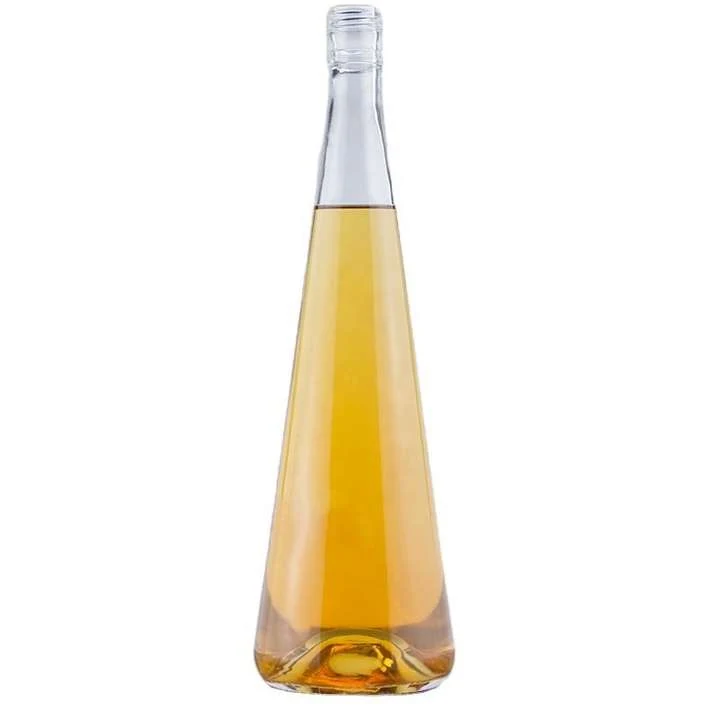
Ba?türk Cam is a Turkish glass packaging manufacturer known for its focus on beverage bottles and specialty glass containers. The company operates modern production facilities that serve both domestic and export markets. Its flexible manufacturing capabilities allow it to supply bottles for both large beverage companies and smaller craft brands.
The company produces glass bottles used in beer, wine, spirits, mineral water, and soft drinks. It also manufactures glass jars for food packaging such as sauces and condiments. These products are designed to meet industry standards for durability and safety.
Ba?türk Cam serves industries including beverages, food processing, and specialty packaging markets. The company focuses on improving production efficiency and maintaining strict quality control standards throughout the manufacturing process.
The company has obtained several industry certifications that confirm compliance with international packaging standards. These certifications help the company compete in export markets and attract global clients.
LAV
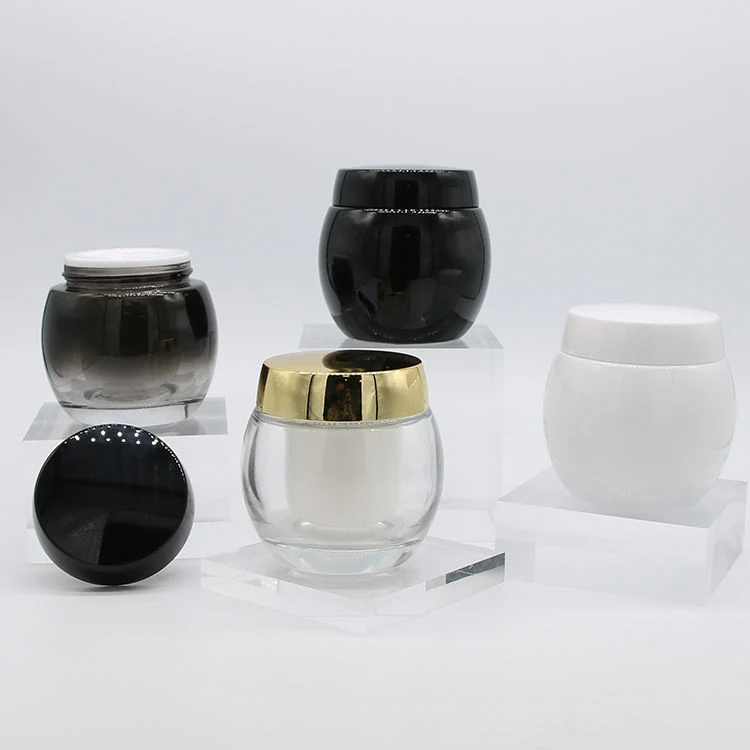
LAV is widely recognized as one of the leading glassware manufacturers in Turkey. Although the company is best known for drinkware products, it also produces glass containers and packaging solutions for several industries. Its strong design capabilities and advanced manufacturing technology make it a respected name in the glass industry.
The company manufactures a variety of glass products including beverage containers, drinkware, and decorative glass packaging. Its facilities use automated production lines and advanced quality inspection equipment to ensure consistency and durability.
LAV serves industries such as hospitality, beverage packaging, and retail consumer markets. Many restaurants, hotels, and beverage brands use its glass products for both functional and decorative purposes.
| The company emphasizes product design and aesthetic appeal. Its design teams develop modern glass shapes that appeal to global markets while maintaining production efficiency. LAV has received several international quality certifications and design awards. | Company | Founded | Core Products | Industries | Certifications |
|---|---|---|---|---|---|
| ?i?ecam | 1935 | Beverage bottles, food jars, pharma containers | Beverage, food, cosmetics | ISO quality and environmental certifications | |
| Ba?türk Cam | 1990s | Beverage bottles, food jars | Beverage, food processing | International packaging standards | |
| LAV | 1994 | Drinkware and glass containers | Hospitality, beverage, retail | Quality and design certifications |
Part 3: Trade Shows and Industry Events
Eurasia Glass Fair
The Eurasia Glass Fair is one of the most important events for the glass industry in Turkey and the surrounding region. The exhibition focuses on glass manufacturing technologies, raw materials, machinery, and finished glass products. It serves as a meeting point for manufacturers, suppliers, and buyers from Europe, Asia, and the Middle East.
The event is usually held in Istanbul, a major commercial hub connecting Europe and Asia. Thousands of professionals attend the fair to explore new technologies and discuss industry trends.
One of the key highlights of the event is the machinery exhibition. Equipment manufacturers present new furnace technologies, forming systems, and automation tools. These innovations help glass factories increase efficiency and improve product quality.
Networking also plays an important role during the exhibition. Glass manufacturers often meet beverage brands, packaging distributors, and international buyers. Many export partnerships begin through meetings arranged during this event.
Avrasya Packaging Istanbul
Avrasya Packaging Istanbul is one of the largest packaging exhibitions in the region. The event covers a wide range of packaging materials including plastic, metal, paper, and glass containers. Glass bottle manufacturers often attend to showcase new packaging designs and connect with global buyers.
The exhibition takes place annually in Istanbul and attracts participants from dozens of countries. Thousands of industry professionals visit the event each year to discover new packaging solutions and production technologies.
A key highlight of Avrasya Packaging Istanbul is its focus on packaging innovation. Companies present new bottle designs, decorative finishes, and lightweight glass containers that reduce shipping costs.
| The exhibition also hosts seminars and panel discussions. Industry experts discuss topics such as sustainability, recycling technologies, and packaging regulations. These sessions help manufacturers understand future trends in global packaging markets. | Event | Date | Location | Highlights |
|---|---|---|---|---|
| Eurasia Glass Fair | Biennial | Istanbul, Turkey | Glass manufacturing technology and machinery | |
| Avrasya Packaging Istanbul | Annual | Istanbul, Turkey | Packaging innovation and international networking |
Part 4: Impact of Global Trade Policies
Global trade policies influence the development of the glass bottle industry in Turkey. Export regulations, tariffs, and regional trade agreements affect how glass packaging products move across international markets. Manufacturers must constantly monitor these policies to maintain competitive pricing and stable supply chains.
Turkey’s customs union with the European Union plays a major role in shaping export opportunities. This agreement allows many goods to move between Turkey and EU countries with reduced trade barriers. As a result, Turkish glass bottle manufacturers can supply packaging to European beverage and food brands more easily.
However, global supply chain disruptions can still create challenges. Energy costs, transportation delays, and raw material price fluctuations can increase manufacturing expenses. Since glass production requires continuous furnace operation, energy prices strongly affect production costs.
International competition also remains intense. Manufacturers from China, Eastern Europe, and Southeast Asia compete for the same export markets. Turkish companies must maintain strong quality standards and efficient production to stay competitive.
At the same time, sustainability regulations in many countries are encouraging the use of recyclable packaging materials. Glass bottles benefit from this trend because they can be recycled many times without losing purity. This advantage may help Turkish manufacturers expand exports as global demand for sustainable packaging grows.
Part 5: Conclusion
Turkey’s glass bottle manufacturing industry continues to grow due to strong domestic demand and expanding export markets. Beverage, food, and cosmetics industries rely heavily on glass packaging because it protects products and enhances brand image. With advanced manufacturing technology and strategic geographic location, Turkey remains an important supplier in the global glass packaging market.
At the same time, manufacturers face challenges such as rising energy costs and strong international competition. Companies that invest in energy efficiency, innovative bottle design, and sustainable production practices will likely lead the next stage of industry development.