Skip to content
Part 1: Market Size and Growth
The United Arab Emirates has become an important manufacturing and logistics hub in the Middle East. Its strategic location between Asia, Europe, and Africa makes it a key center for trade and distribution. Glass bottle manufacturing plays a growing role in supporting beverage, food, and pharmaceutical industries across the region.
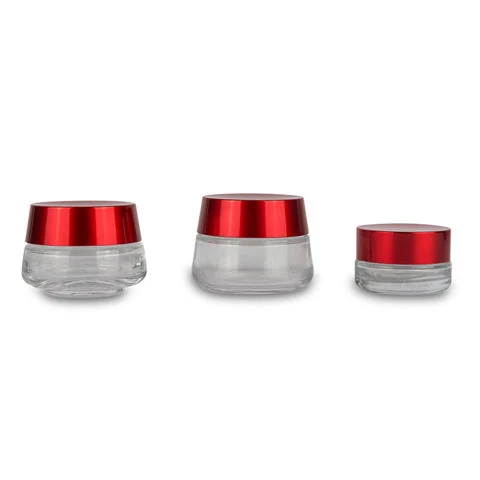
The demand for glass bottles in the UAE continues to rise as beverage consumption grows and premium packaging becomes more popular. Hotels, restaurants, beverage brands, and food producers all rely on glass containers for packaging and presentation. Glass bottles are especially important for premium drinks because they enhance product image and maintain product quality.
Government initiatives aimed at economic diversification also support the packaging industry. The UAE has invested heavily in industrial zones, free trade areas, and modern manufacturing infrastructure. These policies attract international manufacturers and encourage local production, which strengthens the country’s glass packaging sector.
Regional Packaging Hub
The UAE serves as a regional hub for packaging and logistics in the Middle East. Ports such as Jebel Ali connect manufacturers with global shipping routes. Because of this advantage, many companies produce glass bottles in the UAE and export them to neighboring markets.
Countries across the Gulf Cooperation Council import large quantities of packaging materials. Beverage brands in Saudi Arabia, Oman, Kuwait, and Bahrain rely on regional supply chains for bottles and containers. UAE manufacturers help meet this demand through efficient production and distribution networks.
Industrial zones provide strong support for manufacturing companies. These zones offer modern infrastructure, tax incentives, and simplified export procedures. As a result, glass bottle manufacturers can operate efficiently while serving both domestic and international customers.
Beverage Industry Growth
The beverage industry remains the largest driver of glass bottle demand in the UAE. Soft drinks, juices, flavored water, and premium beverages all use glass packaging. Glass bottles preserve flavor and prevent chemical interaction between packaging and beverage contents.
Premium beverage brands also rely on glass packaging to create a strong brand image. Restaurants, hotels, and luxury retailers prefer glass bottles because they enhance presentation. Bottle design, color, and weight can communicate quality and brand identity.
Tourism also contributes to this demand. Millions of international visitors travel to the UAE each year, and hospitality businesses require high-quality beverage packaging. Glass bottles help hotels and restaurants present drinks in a premium way that matches the luxury reputation of the region.
Sustainability and Environmental Trends
Environmental awareness has increased across the UAE in recent years. Governments and businesses are introducing programs that reduce plastic waste and encourage recyclable packaging. Glass bottles support these goals because they are fully recyclable and reusable.
Several initiatives promote circular economy practices. Recycling programs encourage consumers to return glass containers for processing. The recycled glass can then be used as raw material in manufacturing, which reduces energy consumption during production.
Many manufacturers also invest in energy-efficient furnaces and improved production processes. These technologies lower fuel usage and reduce carbon emissions. Sustainability strategies are becoming an important competitive advantage for companies in the glass packaging market.
Technology and Production Development
Modern glass bottle factories rely on advanced manufacturing systems. These systems control temperature, shaping, and cooling during production. Automation improves production speed while maintaining consistent bottle quality.
Quality inspection technologies also play an important role. Cameras and sensors inspect each bottle for cracks, shape defects, or surface problems. When the system detects an issue, the bottle is removed from the production line immediately.
Manufacturers also use computer modeling to design new bottle shapes. This process helps engineers test bottle strength and material efficiency before production begins. As a result, companies can develop lightweight bottles that reduce material use while maintaining durability.
Part 2: Leading Companies
Rak Ghani Glass
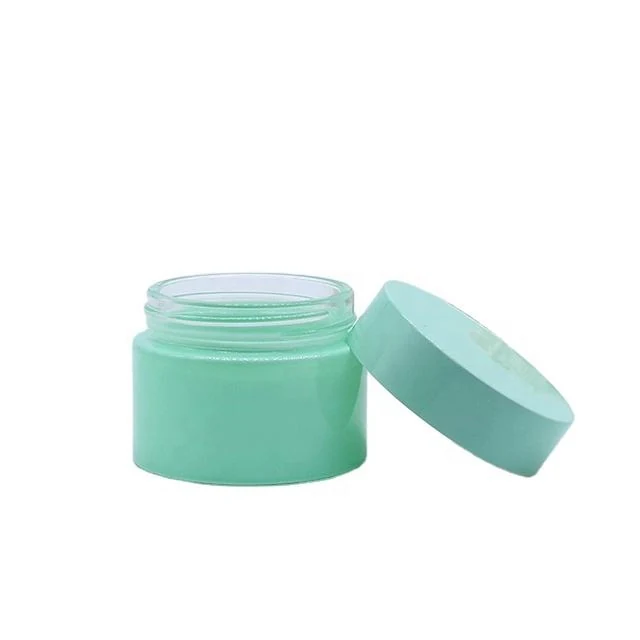
RAK Ghani Glass is one of the most recognized glass packaging manufacturers operating in the UAE. The company is located in Ras Al Khaimah and produces a wide range of glass bottles for beverage and food industries. Its strategic location allows efficient export to markets across the Middle East and South Asia.
The company manufactures bottles used for soft drinks, juices, sauces, and other food products. Its production facilities use modern forming technology and automated inspection systems. These systems help ensure consistent quality across large production volumes.
RAK Ghani Glass serves industries such as beverages, food processing, and consumer goods packaging. The company invests in furnace upgrades and energy management systems to improve efficiency. It has received several quality certifications that confirm its manufacturing standards.
Saverglass Middle East
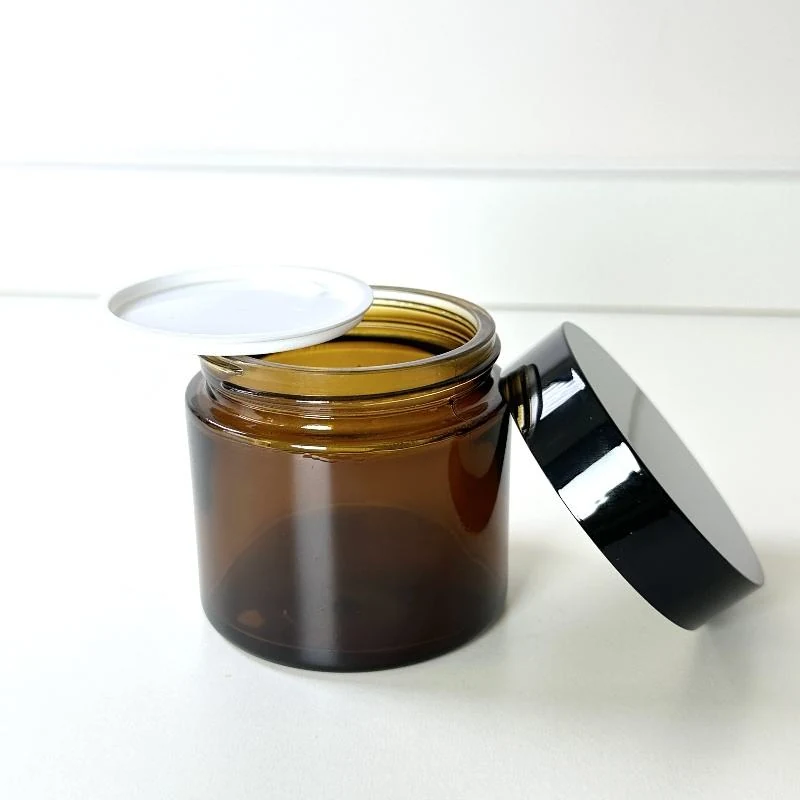
Saverglass Middle East operates as part of the global Saverglass Group, which specializes in high-end glass bottles for the spirits and wine industries. The company established operations in the UAE to support premium beverage brands across the Middle East.
The company focuses on producing luxury glass bottles with detailed design features. These features include embossing, textured surfaces, and customized bottle shapes. Many premium spirit brands rely on Saverglass for packaging that enhances brand identity.
Saverglass serves industries such as wine, spirits, and luxury beverages. Its facilities integrate advanced decoration technologies such as screen printing and metallic finishes. The company has received several international certifications related to quality management and sustainable production.
Middle East Glass Manufacturing
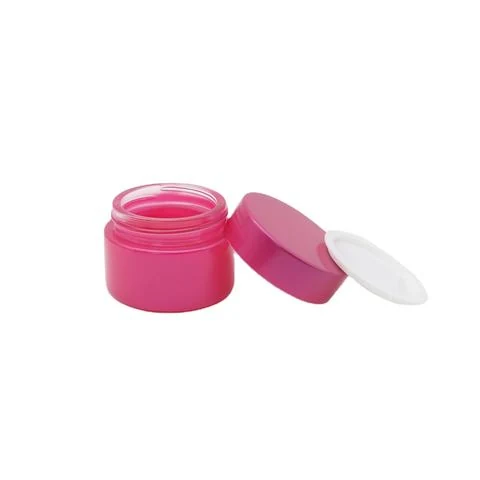
Middle East Glass Manufacturing operates production facilities that supply glass bottles and containers to food and beverage companies across the region. The company focuses on efficient large-scale production combined with strong quality control systems.
The company produces bottles for soft drinks, juices, and other beverage categories. It also manufactures glass containers used for food products such as sauces and condiments. Its production lines rely on automated forming equipment and advanced inspection technologies.
Middle East Glass Manufacturing serves beverage brands, food processors, and packaging distributors. The company invests in energy-efficient production systems and recycling programs that support environmental sustainability. It holds several quality certifications that ensure compliance with international manufacturing standards.
Company Comparison
| Company | Founded | Core Products | Industries | Certifications |
|---|---|---|---|---|
| RAK Ghani Glass | 2007 | Beverage bottles, food containers | Beverage, food | ISO quality standards |
| Saverglass Middle East | 2016 | Luxury spirit bottles | Wine, spirits | ISO, sustainability certifications |
| Middle East Glass Manufacturing | 1979 | Glass bottles and jars | Beverage, food | ISO manufacturing standards |
Part 3: Trade Shows and Industry Events
Gulfood Manufacturing
Gulfood Manufacturing is one of the largest food and beverage industry exhibitions in the Middle East. The event connects manufacturers, packaging suppliers, and food brands from across the world. Glass bottle manufacturers attend the show to present packaging solutions for beverage and food companies.
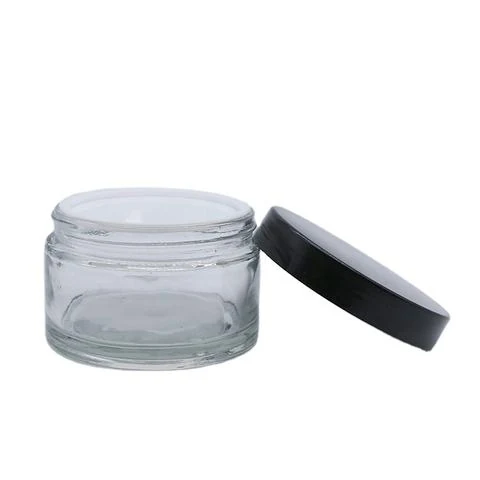
The exhibition takes place annually in Dubai and attracts thousands of visitors from many countries. Companies showcase new packaging technologies, production equipment, and sustainable materials.
The event also features conferences and technical seminars. Experts discuss topics such as food safety, packaging innovation, and sustainable manufacturing practices.
ArabPlast
ArabPlast is another major industrial exhibition in the UAE that focuses on plastics, petrochemicals, and packaging industries. Although plastics are the primary focus, the event also attracts companies involved in glass packaging and container manufacturing.
The exhibition takes place in Dubai and gathers exhibitors from across the Middle East, Europe, and Asia. Glass manufacturers participate to explore partnerships with packaging distributors and beverage brands.
The show highlights innovations in packaging materials, manufacturing equipment, and recycling technologies. It also provides networking opportunities for companies looking to expand in regional markets.
Event Summary
| Event | Date | Location | Highlights |
|---|---|---|---|
| Gulfood Manufacturing | November | Dubai, UAE | Food packaging technology |
| ArabPlast | January | Dubai, UAE | Industrial materials and packaging |
Part 4: Impact of Global Trade Policies
Global trade policies have a direct impact on the glass bottle manufacturing industry in the UAE. Import tariffs on raw materials, energy prices, and environmental regulations influence production costs. Manufacturers must adapt to these factors to maintain stable supply chains.
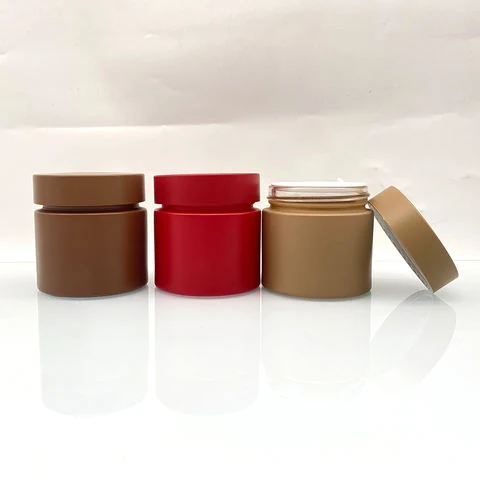
The UAE benefits from strong international trade relationships and numerous free trade agreements. These agreements allow manufacturers to export packaging products to regional markets with fewer trade barriers.
Energy policies also play a role because glass production requires high temperatures in furnaces. Changes in fuel costs or environmental regulations can influence manufacturing expenses. Companies respond by investing in energy-efficient technologies and alternative energy sources.
Global supply chain stability is another important factor. Manufacturers must secure reliable sources of raw materials such as silica sand, soda ash, and limestone. Many companies diversify suppliers to reduce risks related to geopolitical tensions or transportation disruptions.
Part 5: Conclusion
The glass bottle manufacturing industry in the UAE continues to grow as the country strengthens its position as a regional trade and logistics center. Beverage, food, and hospitality industries create strong demand for high-quality packaging solutions. Manufacturers that focus on advanced technology and sustainable production will continue to benefit from this expanding market.
At the same time, companies must manage challenges related to energy costs, environmental regulations, and global supply chain risks. Businesses that invest in efficient production systems and strong partnerships across the beverage and food industries will remain competitive in the rapidly evolving packaging market.