Skip to content
Part 1: Market Size and Growth
Ukraine has a long tradition in glass manufacturing. The country developed strong industrial glass production during the Soviet era, and many of those factories later evolved into modern packaging companies. Glass bottles remain widely used in Ukraine for beverages, food products, pharmaceuticals, and cosmetics. Glass packaging is especially important for beer, vodka, wine, and mineral water industries.

In recent years, the Ukrainian glass bottle market has experienced both challenges and opportunities. Domestic demand continues to come from beverage companies and food producers. At the same time, many manufacturers export glass bottles to neighboring European markets. As trade with the European Union expands, Ukrainian manufacturers are increasingly aligning their production standards with EU regulations.
Industrial development and investment also shape the industry. Several glass factories have upgraded their furnaces, forming machines, and inspection systems. These improvements help increase production efficiency and product quality. Industrial regions such as Lviv, Kyiv, and Kharkiv remain important centers for packaging manufacturing.
Key Drivers Behind Market Growth
The glass bottle sector in Ukraine grows due to several key economic and industrial factors. These drivers combine domestic consumption with export opportunities.
| Driver | Description |
|---|---|
| Beverage Industry | Strong demand from beer, vodka, and wine producers |
| Food Processing | Growing demand for jars and containers |
| Export Opportunities | Supply to European markets |
| Sustainability | Glass recycling supports environmental goals |
Ukraine’s beverage sector plays a particularly strong role. Many vodka and beer brands rely heavily on glass packaging. Glass bottles provide durability and maintain the taste and quality of beverages during storage and transportation.
Industry Structure
The Ukrainian glass bottle industry includes both large-scale industrial manufacturers and smaller specialty producers. Large factories operate high-capacity furnaces capable of producing millions of bottles each month. These manufacturers typically supply beverage companies, food processors, and pharmaceutical businesses.
Smaller manufacturers often focus on specialty glass containers or custom packaging designs. These companies may supply niche markets such as cosmetics, premium beverages, and decorative packaging.
Energy consumption remains a major challenge for glass production. Furnaces operate continuously at extremely high temperatures. Because of this, many manufacturers are investing in energy-efficient equipment and recycling systems.
Recycling and Raw Materials
Glass recycling plays an important role in the Ukrainian packaging ecosystem. Recycled glass, also called cullet, is widely used in manufacturing. Adding cullet to the furnace reduces the amount of energy needed to melt raw materials.
Recycling also reduces the demand for natural resources such as silica sand and limestone. Many glass manufacturers cooperate with recycling companies to ensure a stable supply of recycled materials.
| Material | Role in Glass Production |
|---|---|
| Silica Sand | Main component used to form glass |
| Soda Ash | Reduces melting temperature |
| Limestone | Stabilizes the structure of glass |
| Recycled Glass (Cullet) | Improves energy efficiency |
Increasing the use of recycled materials also helps manufacturers reduce production costs and environmental impact.
Part 2: Leading Companies
Vetropack Gostomel
Vetropack Gostomel is one of the most recognized glass bottle manufacturers in Ukraine. The company is part of the Vetropack Group, a European glass packaging company headquartered in Switzerland. Its Ukrainian facility became an important supplier for beverage producers in Eastern Europe.
The company produces glass bottles for beer, wine, spirits, soft drinks, and food products. Its manufacturing facility is equipped with automated production lines and advanced quality inspection systems. These technologies ensure that bottles meet strict international standards.
Vetropack Gostomel serves breweries, beverage companies, and food manufacturers throughout Ukraine and nearby European markets. Its products are widely used by both local brands and international beverage companies.
The company focuses strongly on sustainability and innovation. It invests in recycled glass usage, energy-efficient furnaces, and lightweight bottle designs. These initiatives support environmental goals and improve production efficiency.
Verallia Ukraine
Verallia Ukraine operates as part of the Verallia Group, a global glass packaging manufacturer headquartered in France. The company is known for producing high-quality glass containers for the beverage and food industries.
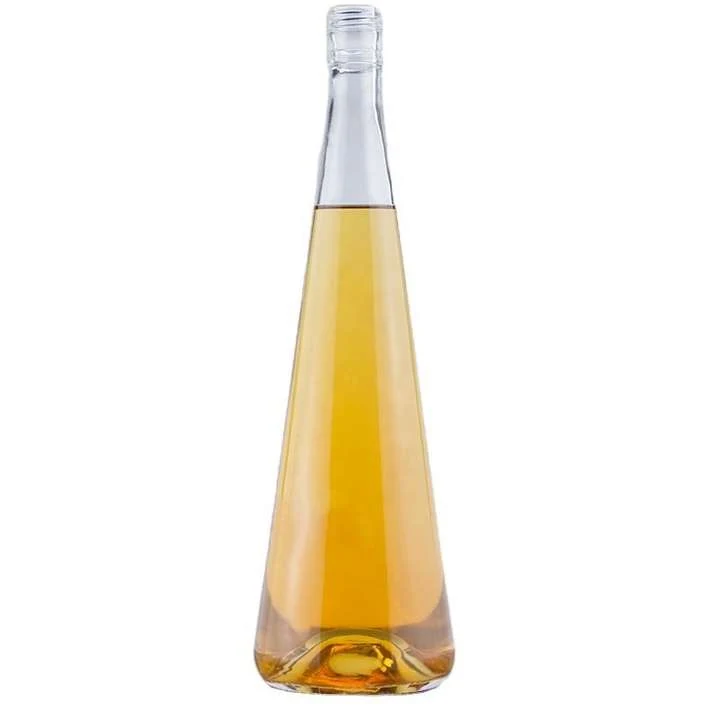
The Ukrainian operations focus mainly on glass bottles used for wine, spirits, beer, and non-alcoholic beverages. Production facilities use modern forming machines and automated inspection technologies to maintain consistent product quality.
Verallia works closely with wineries, distilleries, and beverage companies across Eastern Europe. The company also supports custom bottle design projects for brands seeking distinctive packaging.
Innovation is a central part of Verallia’s strategy. The company invests in lightweight glass technology and increased recycled glass usage. These improvements help reduce environmental impact while maintaining bottle strength and durability.
Kostopil Glassworks

Kostopil Glassworks is one of Ukraine’s long-standing glass manufacturing companies. The company specializes in glass containers used for food products, beverages, and household goods.
The company’s product range includes bottles, jars, and specialty glass containers. Its manufacturing facilities use traditional glassmaking expertise combined with modern production equipment.
Kostopil Glassworks serves food producers, beverage companies, and packaging distributors. Many regional brands rely on the company for reliable supply of glass containers.
The company also invests in modernization and sustainability. Improvements in furnace efficiency and recycled glass usage help reduce production costs and environmental impact.
Company Comparison
| Company | Founded | Core Products | Industries | Certifications |
|---|---|---|---|---|
| Vetropack Gostomel | 2006 | Beer bottles, beverage bottles | Breweries, beverage companies | European quality and sustainability standards |
| Verallia Ukraine | 1827 | Wine bottles, spirit bottles | Wineries, distilleries | Environmental and manufacturing certifications |
| Kostopil Glassworks | 1960 | Glass jars and bottles | Food processing, beverage | Industrial manufacturing standards |
Part 3: Trade Shows and Industry Events
Pack Expo Ukraine
Pack Expo Ukraine is one of the important packaging industry exhibitions in the country. The event focuses on packaging materials, processing technologies, and industrial manufacturing equipment.

The exhibition usually takes place in Kyiv and attracts packaging suppliers, manufacturing companies, and industry professionals. Glass bottle manufacturers participate to showcase their packaging solutions for beverage and food industries.
One highlight of the exhibition is its technology demonstrations. Visitors can see automated packaging systems and innovative materials used in modern manufacturing.
Agro and Food Industry Exhibition
Ukraine also hosts large food industry exhibitions that include packaging suppliers. These events bring together food producers, beverage brands, and packaging companies.
These exhibitions provide opportunities for glass manufacturers to meet potential customers in the food and beverage sectors. Many companies use these events to introduce new packaging designs and sustainable materials.
Industry seminars during these events often focus on food safety regulations, packaging innovation, and environmental standards.
Event Summary
| Event | Date | Location | Highlights |
|---|---|---|---|
| Pack Expo Ukraine | Annual | Kyiv, Ukraine | Packaging technologies and manufacturing solutions |
| Agro & Food Industry Exhibition | Annual | Kyiv, Ukraine | Food production and packaging innovation |
Part 4: Impact of Global Trade Policies
Global trade policies have a strong influence on Ukraine’s glass bottle industry. Ukraine has been expanding its trade relationships with the European Union through various economic agreements. These agreements allow Ukrainian manufacturers to access larger markets.
The EU market provides opportunities for Ukrainian glass producers to export bottles and packaging containers. Many manufacturers are adapting their production standards to meet European regulations and quality requirements. This alignment helps increase the competitiveness of Ukrainian packaging products.
However, global supply chains also face several challenges. Energy costs, logistics disruptions, and geopolitical risks can affect production and export operations. Glass manufacturing requires continuous furnace operation, which makes energy availability especially important.
Supply Chain Challenges
The glass bottle industry depends on stable access to raw materials and reliable transportation systems. Changes in trade conditions or supply disruptions can influence manufacturing efficiency.
| Risk Factor | Impact |
|---|---|
| Energy costs | Higher furnace operation expenses |
| Transportation disruptions | Delays in exports |
| Raw material supply | Possible production slowdowns |
| Trade regulations | Compliance and certification requirements |
Manufacturers often respond by improving energy efficiency and increasing the use of recycled glass materials.
Competitive Landscape
Ukraine competes with glass bottle manufacturers in Poland, Germany, and other European countries. These countries have well-developed packaging industries and advanced manufacturing technologies.
However, Ukraine also has several advantages. Production costs can be lower compared with Western Europe. The country also has skilled industrial workers and established manufacturing infrastructure.
Because of these factors, Ukrainian manufacturers continue to play an important role in supplying glass packaging to regional markets. Proximity to European markets also helps reduce transportation costs and delivery times.
Part 5: Conclusion
The glass bottle manufacturing industry in Ukraine continues to evolve despite economic and geopolitical challenges. Strong demand from beverage and food industries supports ongoing production and modernization of glass factories.
At the same time, manufacturers must adapt to global competition, energy costs, and international trade conditions. Companies that invest in efficient production systems, recycled materials, and international quality standards will remain competitive in the regional packaging market.