Skip to content
Many travelers worry that a favorite glass cup or a fragile souvenir may not survive airport security or the flight. The rules can also seem confusing because they vary depending on how you pack the item.
Yes, you can usually bring a glass cup on a plane. Empty glass cups are generally allowed in both carry-on bags and checked luggage. The biggest concern is protecting the glass from breaking during travel, not whether the material itself is permitted.
Whether you are carrying a handmade coffee mug, a collectible glass cup, or samples for a business trip, careful packing makes a huge difference. This guide explains airline security rules, packing methods, and practical tips to help your glass cups arrive safely.
Are Glass Cups Allowed In Carry On Bags?
Many people expect airport security to stop glass items because they are fragile. In most cases, that is not what happens.
Yes, empty glass cups are generally allowed in carry-on bags. Security officers focus more on prohibited items and liquids than on the glass itself. However, the cup may receive additional inspection if needed.

Glass cups are common travel items. Travelers often carry coffee mugs, tea cups, baby bottles, souvenir glasses, or product samples. Since glass itself is not normally a prohibited material, most empty cups pass through airport security without any issue.
Empty Cups Are Usually Accepted
Airport security primarily checks for dangerous items and restricted liquids.
An empty glass cup normally does not violate these rules.
Examples include:
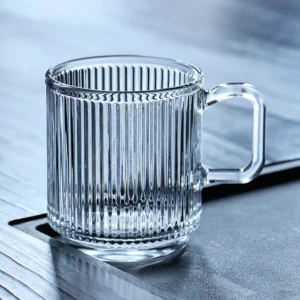
- Coffee mugs
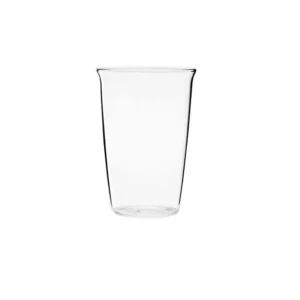
- Drinking glasses
- Tea cups
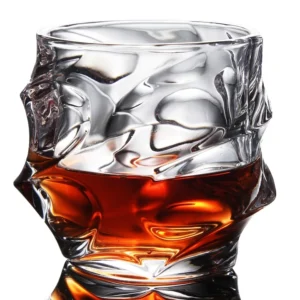
- Whiskey glasses
- Glass tumblers
As long as the item is empty, it usually moves through the screening process without difficulty.
Liquids Follow Separate Rules
The glass is not usually the problem.
The liquid inside may be.
If your glass cup contains water, juice, coffee, or another beverage, standard carry-on liquid restrictions may apply. Emptying the cup before arriving at the security checkpoint avoids unnecessary delays.
Security Screening
Every carry-on bag passes through X-ray screening.
Glass is clearly visible on the scanner, so security officers can easily identify the item.
Sometimes they may ask to inspect the cup if:
- It has an unusual shape.
- It contains dense decorations.
- It is wrapped heavily.
- Other objects block the X-ray image.
This inspection is routine and does not necessarily mean there is a problem.
Consider the Risk of Breakage
Carry-on luggage often experiences less rough handling than checked baggage.
Keeping the glass cup with you also allows you to monitor how the bag is handled during the trip.
Still, overhead compartments become crowded.
Heavy suitcases placed on top of your backpack can crack even thick glass.
Tips for Carry-On Packing
Packing carefully greatly reduces the chance of damage.
- Wrap the cup with soft clothing.
- Place it in the center of your bag.
- Fill the inside with socks or soft fabric.
- Keep heavy objects away from the glass.
- Avoid placing it near laptop corners or metal bottles.
A few extra minutes of packing can prevent costly damage before your flight even begins.
Can You Pack Glass Cups In Checked Luggage?
Checked baggage often experiences rough handling behind the scenes. Many travelers wonder whether fragile glass can survive the journey.
Yes, glass cups can usually be packed in checked luggage. However, checked bags receive much more impact during loading and unloading, so proper protection is essential to prevent breakage.
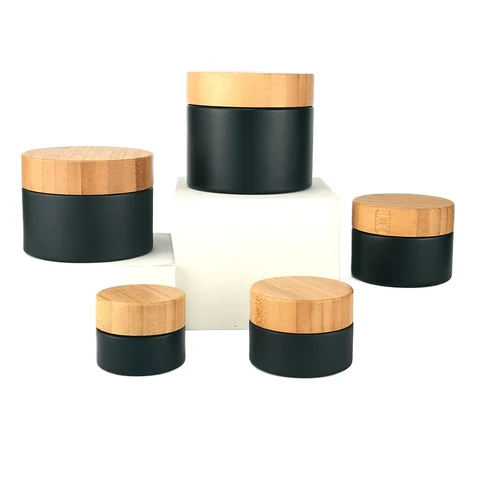
Many fragile products travel successfully every day through airline baggage systems.
The difference is almost always the quality of the packaging.
What Happens to Checked Bags?
After check-in, luggage passes through several stages.
Your suitcase may experience:
- Conveyor belts
- Automatic sorting machines
- Loading carts
- Aircraft cargo holds
- Baggage unloading systems
At each stage, the suitcase may be dropped, tilted, or stacked beneath heavier luggage.
Hard Suitcases Offer Better Protection
The type of luggage matters.
| Luggage Type | Protection Level | Best For Glass |
|---|---|---|
| Soft fabric suitcase | Moderate | Small items |
| Hard shell suitcase | High | Fragile glass |
| Aluminum suitcase | Very High | Valuable glass |
| Duffel bag | Low | Not recommended |
A rigid shell absorbs more impact than soft fabric.
Build a Protective Cushion
The glass should never touch the outside walls of the suitcase.
Instead, surround it with soft materials.
Good cushioning materials include:
- Sweaters
- Towels
- Bubble wrap
- Foam sheets
- Thick socks
The more layers between the glass and the suitcase wall, the better.
Prevent Movement
Movement causes damage.
Even well-wrapped glass can break if it slides around inside the suitcase.
Fill empty spaces using clothing or packing material until everything remains firmly in place.
Consider Valuable Items
If the glass cup is expensive, handmade, or has sentimental value, carrying it onboard may be safer than placing it in checked baggage.
Many travelers successfully transport fragile glass every year because they invest time in proper packing rather than relying on luck.
How To Protect Glass Cups While Flying?
Most broken glass is not caused by airport security. It breaks because it is packed poorly before the trip begins.
The best way to protect glass cups while flying is to wrap them individually, cushion every side, prevent movement inside the luggage, and keep heavy objects away from the glass.
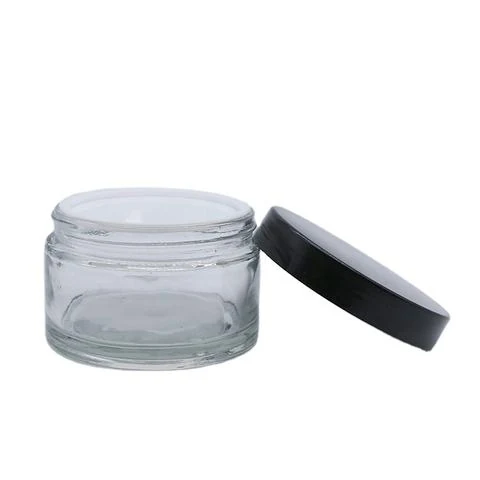
Professional manufacturers ship millions of glass products worldwide every year. Their packing methods can also help individual travelers.
Wrap Each Cup Separately
Never allow two glass cups to touch each other.
Wrap every cup individually using:
- Bubble wrap
- Thick towels
- Soft T-shirts
- Foam sleeves
Multiple layers provide better shock absorption.
Fill the Inside
The inside of the cup also needs support.
Stuff the cup with:
- Socks
- Soft cloth
- Tissue paper
- Packing paper
This helps reduce pressure if the cup is squeezed during travel.
Place the Cup in the Center
The center of the suitcase experiences less impact than the outer edges.
Avoid placing glass near:
- Wheels
- Corners
- Zippers
- Hard handles
The middle of the luggage provides the best protection.
Use a Small Box
A cardboard box adds another protective layer.
The packing order can look like this:
| Layer | Purpose |
|---|---|
| Glass cup | Item being protected |
| Soft paper | Prevents scratches |
| Bubble wrap | Absorbs impact |
| Small cardboard box | Adds structure |
| Clothing | Final cushioning |
| Suitcase | Outer protection |
This method closely matches the way many factories prepare glassware for export.
Avoid Temperature Shock
Although aircraft cargo holds are generally pressurized, glass can still experience temperature changes during travel.
Avoid placing frozen bottles directly against glass cups before departure.
Likewise, do not pour boiling water into the cup immediately after landing if it has been stored in a cold environment.
Allow the glass to gradually return to room temperature before use.
Good packing protects against both physical impact and sudden temperature stress.
Are Glass Items Allowed On Flights?
Many travelers assume that all glass items are treated the same. In reality, permission often depends on the type of glass item and what it contains.
Yes, most glass items are allowed on flights if they do not contain prohibited materials. Drinking glasses, glass cups, empty bottles, and many decorative glass items are generally permitted, while restrictions usually relate to dangerous contents rather than the glass itself.
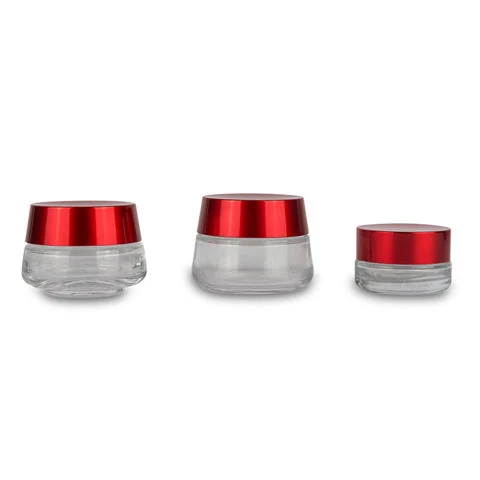
Glass itself is simply a material. Airport security is primarily concerned with whether an item presents a safety or security risk.
Common Glass Items Travelers Carry
Many glass products are routinely transported on airplanes.
These include:
- Drinking glasses
- Coffee mugs
- Tea cups
- Glass water bottles
- Perfume bottles
- Baby bottles
- Glass food containers
- Souvenir glassware
Most empty items are accepted without issue.
Glass Containers With Contents
When a glass container holds liquid, paste, gel, or another restricted substance, separate aviation rules may apply.
The container may be acceptable, but the contents must still comply with airline and airport security requirements.
Always check the rules before traveling with:
- Cosmetics
- Perfume
- Alcohol
- Food products
- Medical liquids
International Travel May Differ
Security procedures are similar in many countries, but small differences can exist.
It is always a good idea to review the requirements of:
- Your departure airport
- Your destination country
- Your airline
- Any airports where you have connecting flights
Checking in advance helps avoid delays and unexpected inspections.
Business Travelers and Product Samples
Many manufacturers, wholesalers, and buyers travel with glass product samples for trade shows, customer meetings, or factory visits.
For business travel:
- Pack each sample separately.
- Label fragile items clearly.
- Carry valuable samples whenever possible.
- Keep purchase documents if transporting large quantities.
- Allow extra time for security screening if carrying multiple samples.
Careful preparation not only protects the products but also makes the security process smoother.
Conclusion
Glass cups are generally allowed on airplanes in both carry-on bags and checked luggage. The real challenge is preventing breakage during travel. Wrapping each cup individually, cushioning it well, preventing movement inside your luggage, and following airline rules for liquids will help your glassware arrive safely at your destination.