Skip to content
Part 1: Market Size and Growth
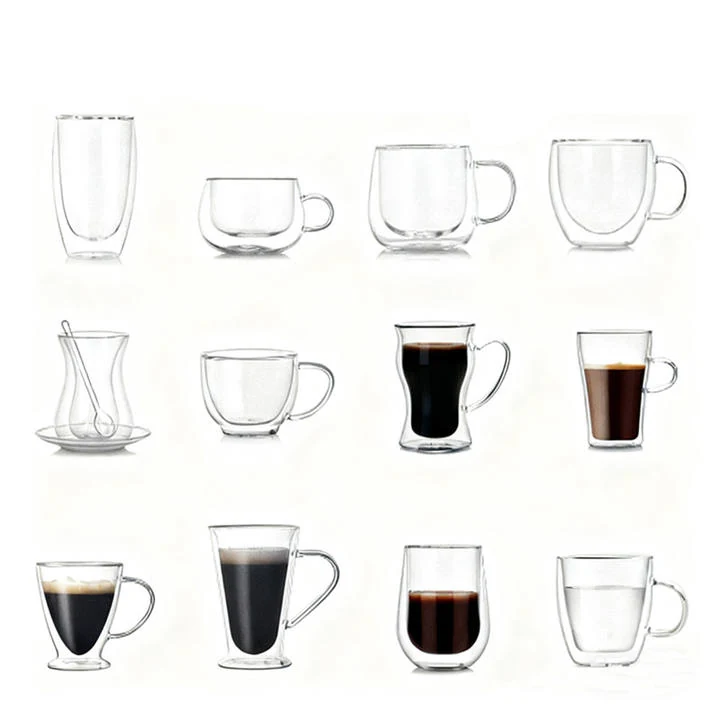
The glass cup industry in Somalia is still in its early stages. The demand for glass products, including cups, has been rising steadily, driven by both local consumption and imports. While Somalia is known more for its agricultural exports, the glassware market has seen growth due to a rise in urbanization and a developing middle class.

The market for glass cups in Somalia is influenced by various factors, such as increasing disposable income and a growing hospitality sector. As international companies enter the market, local manufacturers are also increasing production capacity to cater to both local and regional needs. This growth presents new opportunities for both domestic and foreign suppliers of glassware.
With the government’s focus on boosting industrial production, the glass cup market is expected to expand. Policies aimed at improving infrastructure and supporting small businesses may contribute to the growth of local manufacturers, creating a stronger supply chain and increasing competition.
Part 2: Leading Companies
Company A

Company A is one of the pioneers in glass cup manufacturing in Somalia. Established in 2010, the company is located in Mogadishu, the capital. Its mission is to provide high-quality glass products at competitive prices for the local market.
The company manufactures a variety of glassware, including drinking cups, wine glasses, and specialized items for the hospitality industry. With a focus on durability and aesthetics, Company A has quickly gained popularity among local restaurants and hotels.
Company A serves primarily the hospitality industry, offering customized solutions for businesses looking to provide their customers with high-quality glass products. The company’s innovation lies in its ability to blend traditional designs with modern manufacturing processes, ensuring the products meet both functional and aesthetic requirements.
The company has received various certifications, including ISO 9001, which speaks to its commitment to maintaining quality standards. It continues to explore opportunities for expansion into the broader East African market.
Company B
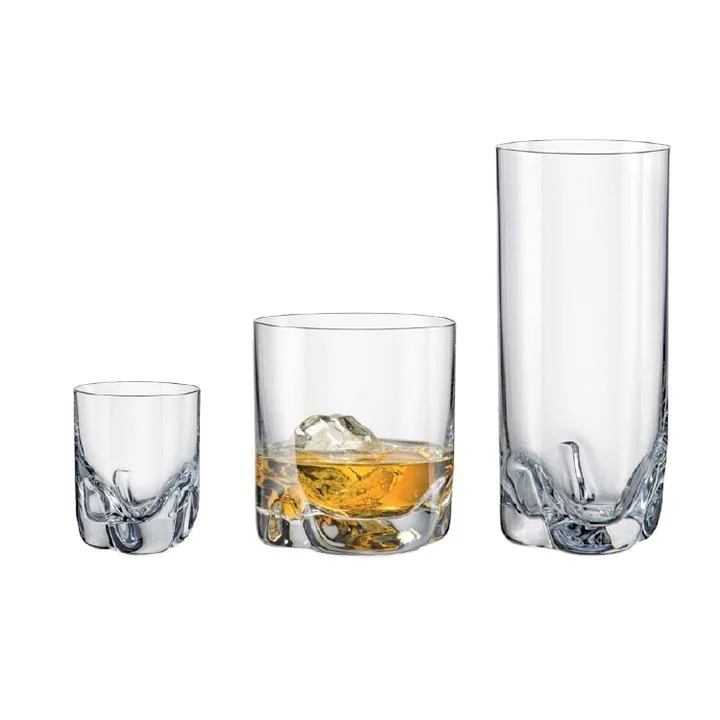
Company B, founded in 2015, is based in Hargeisa, Somaliland, and has quickly made a name for itself as a leading glassware manufacturer in the region. The company started as a small local workshop and has since grown to a full-scale manufacturing facility, with a wide range of glass products.
The company specializes in producing glass cups, tumblers, and serving glasses for both retail and wholesale markets. With an emphasis on environmental sustainability, Company B has incorporated energy-efficient technologies into its production process. This commitment to sustainability has made the company a favorite among eco-conscious consumers.
Company B’s products are primarily sold in local retail stores and online platforms, where the demand for high-quality, affordable glassware is growing. The company also serves corporate clients, offering customized branding and design options for businesses in the hospitality sector.
The company has earned various local and international certifications, including ISO 14001 for environmental management. This reflects its ongoing efforts to improve sustainability practices while maintaining product quality.
Company C

Company C was established in 2012 in Kismayo, Somalia. Over the years, the company has grown to become a trusted name in the glassware industry, producing a wide range of products, from basic drinking glasses to decorative glass items.
The company’s production facilities use state-of-the-art technology to produce glassware that meets international quality standards. It offers a diverse product line, including glass cups, pitchers, and bowls, which are marketed both domestically and in neighboring countries.
Company C has established strong ties with the retail and restaurant industries, providing them with high-quality products that meet their operational needs. The company prides itself on its customer service and flexible production options, allowing it to serve a wide variety of client needs.
The company has received numerous accolades for its consistent product quality and customer satisfaction, including awards for excellence in manufacturing. It continues to innovate by exploring new glass production techniques and expanding its product offerings.
| Company | Founded | Core Products | Industries | Certifications |
|---|---|---|---|---|
| Company A | 2010 | Drinking glasses, Wine glasses | Hospitality, Retail | ISO 9001 |
| Company B | 2015 | Tumblers, Serving glasses | Retail, Wholesale | ISO 14001 |
| Company C | 2012 | Glass cups, Bowls, Pitchers | Retail, Restaurants | ISO 9001, Awards |
Part 3: Trade Shows and Industry Events
Glassware Expo 2026

The Glassware Expo 2026 will take place in Mogadishu, bringing together manufacturers, retailers, and suppliers of glass products from across East Africa. This event offers companies the chance to showcase their products, build relationships, and explore new business opportunities in the region.
The expo is expected to feature over 50 exhibitors, with special showcases for new glass designs and eco-friendly manufacturing practices. The event will also include networking opportunities, workshops, and panel discussions on the future of the glass industry in Africa.
Somali Manufacturing Conference 2026

The Somali Manufacturing Conference 2026 will focus on the overall manufacturing landscape in Somalia, with a special segment dedicated to the glass industry. The conference will gather local and international manufacturers, government officials, and industry experts to discuss challenges and opportunities in the Somali manufacturing sector.
Highlights of the event include talks on increasing local production capacity, improving trade policies, and advancing manufacturing technology. Attendees will also have the opportunity to participate in roundtable discussions about sustainability and innovation in glass production.
| Event | Date | Location | Highlights |
|---|---|---|---|
| Glassware Expo 2026 | June 2026 | Mogadishu | Product showcases, networking |
| Somali Manufacturing Conf. 2026 | July 2026 | Mogadishu | Manufacturing technology, policies |
Part 4: Impact of Global Trade Policies
Global trade policies play a significant role in shaping the glass cup industry in Somalia. Import tariffs and trade agreements directly influence the cost of raw materials and finished products. Somalia’s status as an emerging market means that it benefits from preferential trade agreements with certain countries, which has allowed local manufacturers to access high-quality materials at competitive prices.
However, global sanctions and trade restrictions can pose challenges for manufacturers looking to expand internationally. Import bans and tariffs on certain products may limit export opportunities, while fluctuating exchange rates could affect pricing and profit margins. For Somali manufacturers, staying updated on international trade policies is critical to ensuring business continuity and mitigating supply chain risks.
Moreover, the global competition presents both challenges and opportunities. As Somalia’s local market grows, international competitors may enter the region, offering higher quality products at lower prices. However, Somali manufacturers who focus on unique designs, customization, and local production are well-positioned to create a competitive edge.
Part 5: Conclusion
The glass cup industry in Somalia presents significant growth potential. The increasing demand for both locally manufactured and imported glass products offers numerous opportunities for manufacturers. Innovations in design and technology, along with strong local demand, create a solid foundation for businesses looking to invest in this sector. However, challenges such as trade restrictions and competition from international suppliers remain.
Somalia’s glass cup industry will likely continue to grow as local manufacturers increase their production capabilities and expand into regional markets. Investing in sustainable practices and embracing new technologies will be key to staying competitive and meeting the evolving needs of the market. Nonetheless, manufacturers must navigate the challenges posed by fluctuating global trade policies and the risk of supply chain disruptions.