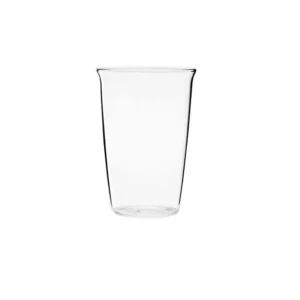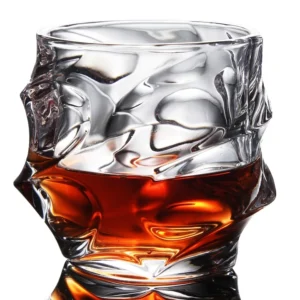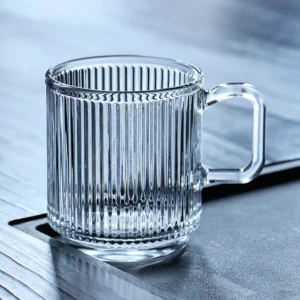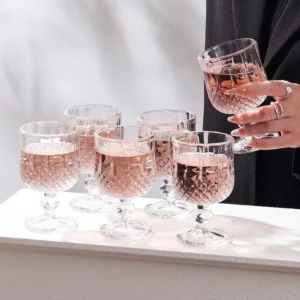
Many people drink water from different glass sizes every day, but they often wonder how many cups that glass actually contains. A small difference can affect cooking, health goals, and daily water tracking.
One standard cup of water is usually equal to 8 fluid ounces in the United States, but a normal drinking glass can contain more or less than one cup. The exact amount depends on the glass size.
The word “glass” does not describe a fixed measurement. A glass can be a small juice glass, a large drinking glass, or a tall water tumbler. A cup, however, is a specific measurement used in recipes and nutrition guides. Understanding the difference helps people measure water more accurately.
When I look at glass products, I know that size and capacity are two important factors. A beautiful glass bottle or cup is not only about appearance. The volume, shape, and practical use also affect how people choose and use glass containers.
What size glass equals one cup of water?
A standard cup of water equals about 8 fluid ounces or around 240 milliliters in the US measurement system. A glass that holds this amount can be considered one cup of water.
A glass size that holds about 240 milliliters of water is equal to one standard cup. However, many everyday drinking glasses hold between 250 and 400 milliliters, so one glass may contain more than one cup.
People often use the word “cup” and “glass” as if they mean the same thing. In daily conversations, this is common. However, in cooking and professional measurements, these words have different meanings.
Common glass sizes and cup conversions
Different glass sizes contain different amounts of water.
| Glass size | Approximate volume | Equivalent cups |
|---|---|---|
| Small glass | 150 ml | About 0.6 cup |
| Standard glass | 240 ml | About 1 cup |
| Medium drinking glass | 300 ml | About 1.25 cups |
| Large tumbler | 400 ml | About 1.7 cups |
| Large water glass | 500 ml | About 2 cups |
These numbers are approximate because glass shapes are different. Two glasses with the same height may hold different amounts because of different widths and designs.
Why glass shape changes capacity
The shape of a glass affects how much water it can hold.
A narrow glass may look tall but contain less water than expected. A wide glass may hold more water even if it looks shorter.
Important design factors include:
- Height
- Width
- Bottom thickness
- Shape of the sides
- Glass wall thickness
For glass manufacturers, capacity control is very important. When producing glass bottles and cups, factories need accurate molds and quality checks to make sure every product meets customer requirements.
How to measure your own glass
If someone wants to know the exact cup amount, they can use a simple method:
- Fill the glass with water.
- Pour the water into a measuring cup.
- Check the volume.
- Convert the amount into cups.
This method works better than guessing based on appearance.
For example, a large restaurant water glass may look like one cup, but it may actually contain two cups or more. Accurate measurement helps in cooking, baking, and tracking daily water intake.
How does glass size affect cup measurements?
Glass size directly affects cup measurements because different glasses can hold very different amounts of liquid. Using the wrong glass size can lead to incorrect results.
A larger glass may contain two or more cups of water, while a smaller glass may contain less than one cup. The glass shape and capacity decide the final measurement.
This difference matters in many situations. A person drinking water for health reasons may need accurate tracking. A person cooking a recipe may need exact measurements.
Glass size comparison chart
The following table shows how different glasses compare with standard cups.
| Water volume | US cups | Common example |
|---|---|---|
| 120 ml | 0.5 cup | Small half glass |
| 240 ml | 1 cup | Standard measuring cup |
| 360 ml | 1.5 cups | Medium drinking glass |
| 480 ml | 2 cups | Large glass |
| 720 ml | 3 cups | Extra-large bottle or tumbler |
These conversions help people understand that “one glass” is not a universal measurement.
Why people confuse glasses and cups
Many people grow up using personal glasses at home. They know that “one glass of water” means filling their usual drinking glass.
However, family glasses can have different sizes. One person’s glass may equal one cup, while another person’s glass may equal two cups.
This creates confusion when people follow recipes or health recommendations.
For example:
- A recipe asks for 2 cups of water.
- A person uses a large glass.
- The person adds too much water.
- The final food texture changes.
Small measurement mistakes can create different results.
The role of glass design in daily use
Glass design is connected to user habits. Some people prefer large glasses because they drink more water without refilling. Others prefer smaller glasses because they are easier to hold.
Glass manufacturers consider these needs when creating products.
Common design choices include:
- Lightweight drinking glasses
- Large capacity water glasses
- Heat-resistant coffee glasses
- Custom glass containers
A good glass design balances appearance, comfort, and function.
For businesses that buy glass products, understanding capacity is also important. A beverage company needs accurate bottle volume information because customers expect consistent product amounts.
Why do recipes measure water in cups?
Recipes use cups because cups provide a simple and consistent way to measure ingredients. They allow people to follow cooking instructions without needing a scale for every ingredient.
Recipes measure water in cups because cup measurements are easy to use, widely understood, and suitable for home cooking.
Many cooking systems use cups because they are practical. A person can quickly measure water, flour, sugar, or other ingredients with standard tools.
The history of cup measurements in cooking
Before modern kitchen scales became common, people often used household containers for measurement. Cups became popular because they were easy to use.
Today, many recipes still use cups because:
- Home cooks recognize the measurement.
- Measuring cups are affordable.
- Instructions are simple.
- Results are more consistent than guessing.
However, a recipe cup is not always the same as a random drinking glass.
Measuring cups versus drinking glasses
These two items have different purposes.
| Item | Main purpose | Measurement accuracy |
|---|---|---|
| Measuring cup | Cooking and baking | High accuracy |
| Drinking glass | Daily use | Depends on size |
| Bottle | Storage and transport | Usually labeled volume |
| Tumbler | Drinking | Varies by design |
A drinking glass is made for convenience. A measuring cup is made for accuracy.
Why accuracy matters in recipes
Water affects many cooking processes.
Examples include:
- Dough texture
- Soup thickness
- Beverage concentration
- Baking results
Too much water can make food too soft. Too little water can make food too dry.
This is why professional cooking uses exact measurements.
The same idea applies to glass packaging. In the glass industry, accurate capacity is important because customers expect products to contain the correct amount. A perfume bottle, beverage bottle, or cosmetic container must match its labeled volume.
Good measurement creates trust between producers and users.
When should you convert glasses to cups?
Converting glasses to cups is useful when a person needs accurate measurements for cooking, health tracking, or product comparison.
You should convert glasses to cups when the glass size is unknown, when following recipes, or when tracking daily water consumption.
Many people can estimate water amounts in daily life. However, accurate conversion becomes important in specific situations.
Situations that need conversion
| Situation | Why conversion helps |
|---|---|
| Cooking recipes | Ensures correct ingredient amounts |
| Diet planning | Tracks water intake accurately |
| Fitness goals | Measures hydration targets |
| Product testing | Checks container capacity |
| Commercial use | Confirms package volume |
A person does not need exact measurements every time they drink water. However, conversion helps when accuracy matters.
How to convert a glass into cups
The basic formula is simple:
Cups = Water volume in milliliters ÷ 240
Examples:
- 240 ml glass = 1 cup
- 480 ml glass = 2 cups
- 360 ml glass = 1.5 cups
People can also use fluid ounces:
1 US cup = 8 fluid ounces
This conversion method works well for many common situations.
Choosing the right glass size
The best glass size depends on the purpose.
For daily drinking:
- Medium glasses are easy to handle.
- Large glasses reduce refilling.
- Heat-resistant glasses work well for hot drinks.
For commercial use:
- Accurate capacity is essential.
- Strong materials improve durability.
- Clear design improves customer experience.
In the glass industry, product size is not only a number. It affects production, transportation, packaging, and customer satisfaction.
A well-designed glass product combines appearance and practical value. Whether it is a drinking glass or a glass bottle, correct capacity helps users trust the product.
Conclusion
A glass of water does not always equal one cup because glass sizes vary. A standard cup is about 240 ml, so checking the actual volume helps achieve accurate measurements.