A glass cup looks simple, but its liquid capacity can change a lot. Many people fill a cup without knowing the exact volume, which can create problems in daily use, cooking, and product selection.
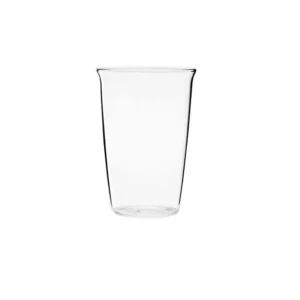
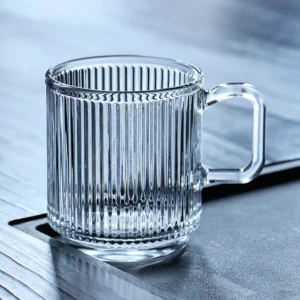
A standard glass cup usually holds between 200 ml and 350 ml of liquid, but the exact amount depends on the cup size, shape, and purpose.
Understanding glass cup capacity helps buyers, manufacturers, and users choose the right product. It also helps businesses create better packaging and avoid mistakes during production.
What Is The Standard Capacity Of A Glass Cup?
A glass cup does not have one fixed standard capacity. Most everyday glass cups hold between 200 ml and 350 ml, while special designs can hold more or less depending on their purpose.
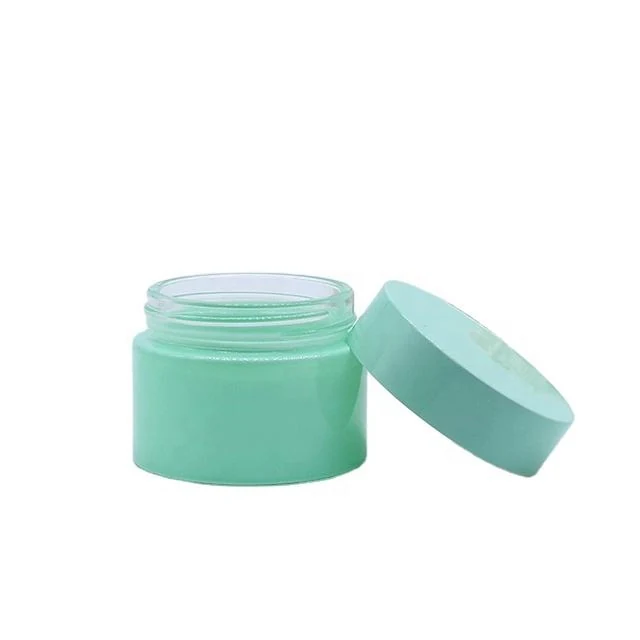
The most common glass cup sizes are 250 ml, 300 ml, and 350 ml. These sizes are popular because they are comfortable for drinking water, tea, coffee, and other beverages. Many restaurants and homes use these sizes because they offer a good balance between usability and appearance.
Different markets also use different ideas of a standard cup. For example, a drinking glass in Europe may have a different common size compared with a glass used in Asia or North America. A supplier and buyer need to confirm the exact volume before production.
The capacity of a glass cup means the maximum amount of liquid that the cup can contain. However, people usually do not fill a cup completely to the top. Most users leave some space to prevent spilling. This means the practical drinking volume can be lower than the full capacity.
Common Glass Cup Capacities
| Glass Cup Type | Common Capacity | Typical Usage |
|---|---|---|
| Small glass cup | 100 ml - 200 ml | Espresso, tasting, small drinks |
| Standard drinking glass | 200 ml - 350 ml | Water, juice, tea, coffee |
| Large glass cup | 400 ml - 600 ml | Cold drinks, smoothies |
| Special glass cup | 600 ml+ | Sports drinks, large beverages |
Glass manufacturers need to consider more than just volume. The wall thickness, bottom design, and production process can also change the inside space. A thick glass cup may look large outside but hold less liquid inside.
For custom glass bottle and glass packaging production, volume accuracy becomes more important. A perfume brand or beverage company needs to know the exact capacity because it affects filling, labeling, shipping, and customer experience.
When I discuss glass products with buyers, I always suggest confirming the volume with technical drawings or samples. A small difference in capacity can create unexpected problems when thousands of pieces are produced.
The measurement process usually uses water testing. The manufacturer fills the glass cup with water and checks the weight or volume. Since 1 gram of water is close to 1 ml, this method gives a simple and reliable result.
Factors That Decide Glass Cup Capacity
| Factor | How It Changes Capacity |
|---|---|
| Height | A taller cup usually holds more liquid |
| Diameter | A wider cup increases inside space |
| Wall thickness | Thicker walls reduce available volume |
| Bottom shape | A thicker base reduces internal space |
| Cup opening | A wider opening can increase total capacity |
A clear understanding of capacity helps buyers select suitable glass products. It also helps manufacturers provide accurate customization services for different markets.
How Does Glass Design Affect Liquid Volume?
Glass design has a direct effect on how much liquid a glass cup can hold. Two cups may have the same outside size but different inside capacities because their structures are not the same.
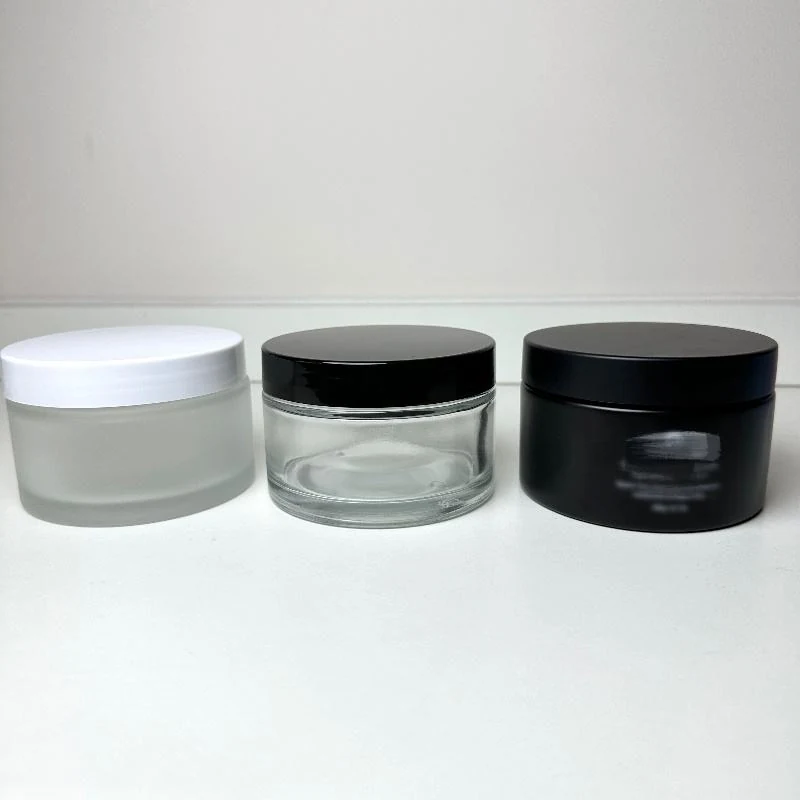
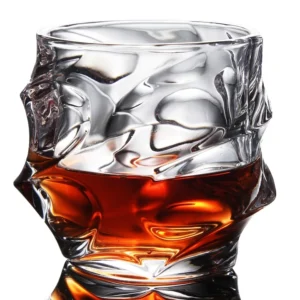
The shape of a glass cup is one of the main factors that changes volume. A straight glass with the same width from top to bottom usually has a predictable capacity. A curved glass may have more or less space because the middle part changes shape.
For example, a glass cup with a narrow bottom and wide top may look bigger than it actually is. A glass with a thick base may appear luxurious, but the extra material takes up internal space.
How Different Designs Change Volume
A designer needs to balance beauty and function. A unique shape can attract customers, but it must still provide enough space for the intended liquid.
Some important design elements include:
1. Glass Wall Thickness
The thickness of glass affects the inner capacity. Premium glass cups often use thicker glass because it creates a stronger feeling and better durability. However, thicker glass reduces the available liquid space.
2. Bottom Design
The bottom of a glass cup can have a major effect on volume. Some luxury designs use a heavy base to create stability and a high-end appearance.
A thick bottom can make a 300 ml glass look larger from outside while the real capacity may be closer to 250 ml.
3. Cup Shape
Different shapes create different experiences. A tall and narrow glass can make a drink look larger because the liquid level is higher. A wide and short glass can feel smaller even when the volume is the same.
4. Decoration And Surface Treatment
Glass decoration does not usually change capacity greatly, but some processes can slightly affect the final size.
For example, glass spraying, frosting, printing, and hot stamping mainly change the appearance. However, during custom production, every extra process needs careful control to keep product quality stable.
| Glass Design Style | Volume Effect | Customer Experience |
|---|---|---|
| Straight wall glass | Easy to calculate | Simple and practical |
| Curved glass | More difficult to estimate | More attractive appearance |
| Thick base glass | Lower inside volume | Premium feeling |
| Thin wall glass | Higher volume | Lightweight and modern |
For brands that sell premium products, design is often as important as capacity. A perfume company may choose a special glass bottle shape because the appearance creates emotional value. The same idea applies to drinking glasses and other glass packaging products.
However, design should always match the product purpose. A beautiful glass cup that cannot hold enough liquid may create customer complaints. A supplier needs to understand both appearance requirements and functional requirements.
When developing custom glass products, I usually recommend checking three things together: outside design, inside capacity, and user experience. This approach helps avoid situations where a product looks good but does not work well.
Good glass design is not only about making a product attractive. It is about creating a balance between beauty, capacity, strength, and production cost.
Why Do Different Glass Cups Hold Different Amounts?
Different glass cups hold different amounts because manufacturers design them for different purposes. A coffee cup, wine glass, water glass, and measuring glass all have different capacity goals.
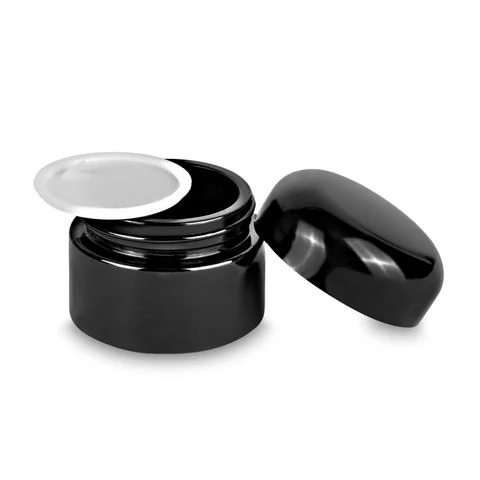
A wine glass may look large but only hold a small amount because the bowl shape is designed for aroma and presentation. A coffee cup may hold less because it focuses on heat control and drinking comfort.
The purpose of a glass decides many design choices. Manufacturers do not simply make every glass the same size because users have different needs.
Main Reasons For Different Capacities
Usage Purpose
The first reason is the intended use. A glass for daily water drinking needs a comfortable size. A glass for tasting drinks needs a smaller size.
A beverage company may need large cups for cold drinks, while a restaurant may prefer medium cups that are easy to carry.
Customer Habits
Different countries have different drinking habits. Some markets prefer smaller cups because people refill drinks more often. Other markets prefer larger cups because customers want more liquid in one serving.
Brand Positioning
Luxury brands often create special glass designs to stand out. The capacity may not be the largest because the product focuses on style and customer experience.
For example, a premium glass cup may use special curves, thicker materials, or handmade details. These features increase value but may reduce internal space.
Production Considerations
Manufacturing methods also affect final capacity. During glass production, temperature, molds, and cooling processes must be controlled carefully.
Small changes in the mold can create differences between samples and mass production.
| Reason | Impact On Capacity |
|---|---|
| Different purpose | Creates different size requirements |
| Market preference | Changes common cup sizes |
| Brand design | May reduce or increase internal space |
| Manufacturing process | Can create small volume differences |
For wholesale buyers, understanding these differences is very important. A buyer who only checks the appearance may receive a product that does not match the expected volume.
A professional supplier should provide clear specifications, including:
- Product height
- Product diameter
- Weight
- Material thickness
- Maximum capacity
- Recommended filling volume
These details create better communication between buyers and manufacturers.
In my experience, many product problems happen because people only discuss the outside design. They forget that the inside space is equally important. Clear technical information can reduce misunderstandings and save time.
Different glass cups hold different amounts because each design has a different goal. The best glass product is not always the biggest one. It is the one that matches the customer's needs.
When Should You Measure A Glass Cup Precisely?
Precise measurement is important when the exact liquid volume affects product performance, cost, or customer satisfaction. For daily drinking, an approximate size is usually enough. For commercial use, accuracy becomes much more important.
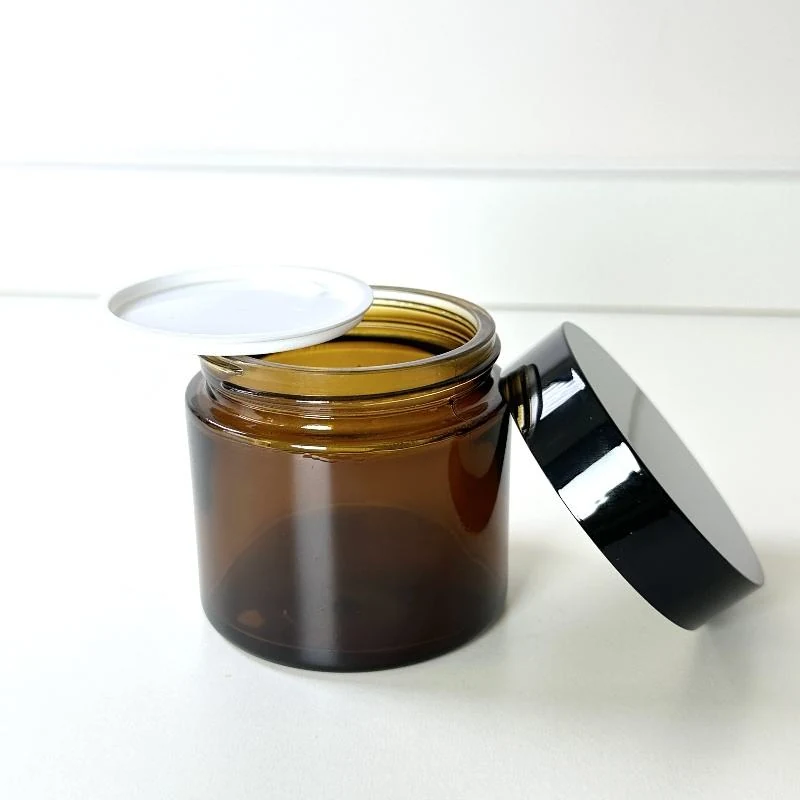
Home users usually do not need exact measurements. They can estimate capacity based on common cup sizes. However, businesses need accurate data before manufacturing and selling products.
Situations That Need Precise Measurement
Product Development
When a company creates a new glass product, accurate capacity testing helps designers make better decisions. A small difference in volume can change the product's market position.
Beverage Production
Beverage companies need accurate cup capacity because filling amounts affect cost and customer expectations. If a cup is advertised as 300 ml but only holds 270 ml, customers may feel disappointed.
Custom Glass Manufacturing
Custom orders require detailed measurements. A perfume brand, for example, needs exact bottle volume because the filling process depends on it.
Manufacturers usually create samples first. After testing the samples, they confirm the final specifications before mass production.
| Measurement Stage | Purpose |
|---|---|
| Design stage | Check expected capacity |
| Sample stage | Confirm real volume |
| Production stage | Control quality |
| Final inspection | Ensure consistency |
Precise measurement also helps with international trade. Buyers from different countries may use different volume standards. Clear measurement prevents confusion between suppliers and customers.
For example, one buyer may describe a glass as a “standard cup,” while the supplier may understand a different size. Technical numbers remove this uncertainty.
A reliable glass supplier should provide accurate product information and support customization. This is especially important for companies that sell premium products and need stable quality.
Measurement is not only a technical step. It is also a communication tool. It helps buyers and manufacturers understand the same product in the same way.
When a glass cup needs to represent a brand, every detail matters. Accurate volume, consistent quality, and clear specifications create a better product experience.
Conclusion
A glass cup usually holds 200 ml to 350 ml, but design, purpose, and production methods can change the final volume. Accurate measurement helps businesses create reliable and high-quality glass products.