

Part 1: Market Size and Growth
Malta has a relatively small but specialized glass packaging sector. The country is located in the central Mediterranean, which allows it to serve as a strategic trade hub between Europe, North Africa, and the Middle East. This location helps Malta connect local industries with regional and international supply chains.
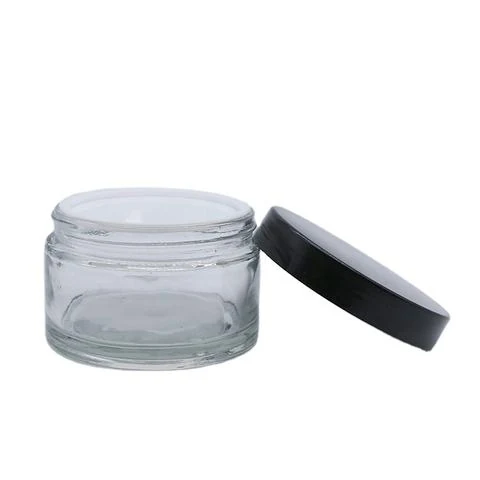
Glass bottles are widely used in Malta’s beverage, food, and hospitality industries. Wine producers, craft breweries, olive oil companies, and restaurants rely on glass packaging to maintain product quality and presentation. Glass containers are particularly valued because they preserve flavor and offer a premium visual appeal.
Malta’s industrial policy supports manufacturing, logistics, and export-oriented businesses. The country’s ports and maritime infrastructure allow packaging materials and finished products to move efficiently across European markets. These factors help maintain steady demand for glass packaging solutions.
Structure of Malta’s Glass Packaging Industry
Malta’s domestic glass manufacturing capacity is relatively limited compared with larger European economies. Many companies rely on imported glass bottles from nearby manufacturing centers in Italy and other European countries.
Local businesses often focus on packaging distribution, bottle decoration, and supply chain management. These companies play an important role in ensuring that beverage and food producers have access to reliable packaging materials.
The beverage industry represents the largest consumer of glass bottles in Malta. Wine producers, craft breweries, and mineral water companies all require high-quality glass packaging.
Tourism and hospitality sectors also influence demand. Malta is a major tourist destination, and restaurants, hotels, and bars consume large quantities of bottled beverages. This steady tourism flow supports consistent demand for glass bottles throughout the year.
Regional Trade and Logistics
Malta’s geographic location provides strong advantages in maritime trade. The country’s ports serve as key logistics hubs connecting Southern Europe with North Africa and the Middle East.
Glass bottles and packaging materials are often imported through these ports before being distributed to manufacturers across the island.
| Segment | Key Demand Drivers | Typical Products | Main Buyers |
|---|---|---|---|
| Wine & Spirits | Local wineries and distilleries | Wine bottles | Beverage producers |
| Beer & Soft Drinks | Craft breweries and beverage brands | Beer bottles | Beverage companies |
| Food | Olive oil and sauces | Glass storage bottles | Food processors |
| Cosmetics | Beauty products | Small glass containers | Cosmetic brands |
The wine industry plays an important role in Malta’s glass packaging demand. Local wineries produce wines that are sold both domestically and in export markets.
Food producers also rely on glass packaging for olive oil, sauces, and specialty products. Glass containers protect these products and provide an attractive presentation for retail markets.
Manufacturing Technology
Glass bottle manufacturing relies on high-temperature furnaces and specialized molding equipment. Raw materials such as silica sand, soda ash, and limestone are melted at extremely high temperatures to create molten glass.
Once molten glass is produced, forming machines shape the material into bottles using molds. These molds determine the size, shape, and design of each container.
Automation systems monitor production conditions and ensure consistent bottle quality. Sensors regulate temperature and pressure throughout the manufacturing process.
Recycling is also an important part of glass production. Broken glass, known as cullet, can be reused in manufacturing. Using recycled glass reduces energy consumption and supports environmental sustainability.
Industry Challenges
Despite strong logistics infrastructure, Malta’s glass bottle industry faces several challenges. Limited land area and industrial capacity make large-scale glass manufacturing difficult.
Energy costs also influence production expenses because glass furnaces require continuous high-temperature operations.
| Challenge | Impact | Industry Response |
|---|---|---|
| Limited industrial space | Restricted manufacturing capacity | Import partnerships |
| Energy costs | Higher production expenses | Energy efficiency investments |
| Small domestic market | Limited local demand | Export-oriented businesses |
| Competition | Pressure from EU manufacturers | Premium packaging solutions |
Even with these challenges, the glass packaging sector remains stable. The country’s beverage and hospitality industries continue to generate consistent demand for glass containers.
Part 2: Leading Companies
Malta’s glass bottle supply chain includes packaging distributors, beverage producers, and regional suppliers. These organizations ensure that local industries have access to reliable glass containers. Many companies operate within broader European logistics networks that connect Malta with international glass manufacturers.

Farsons Group Packaging Operations
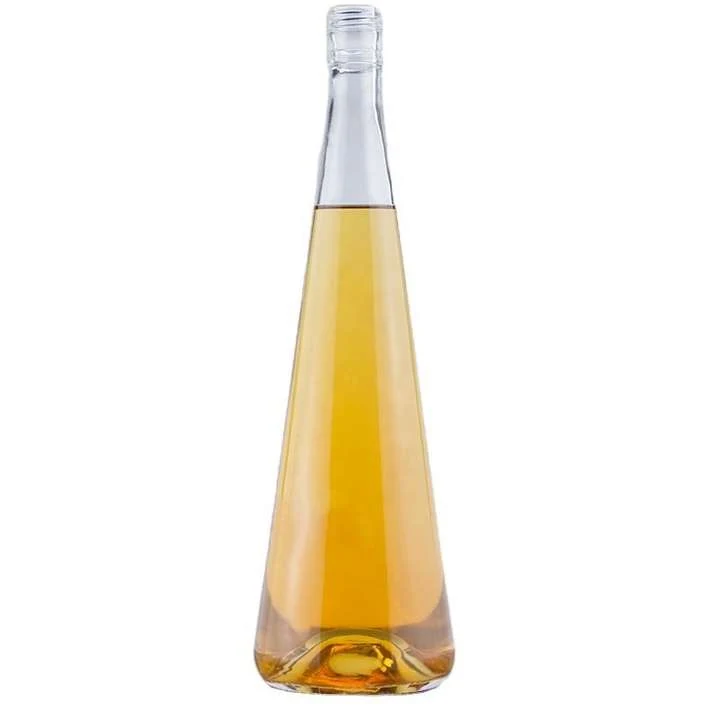
Farsons Group is one of Malta’s largest beverage producers. The company manufactures beer, soft drinks, and other beverages that are widely distributed across the island.
Its packaging operations manage the supply and recycling of glass bottles used in beverage production. The company works with international glass manufacturers to source high-quality bottles for its products.
The company serves the beverage industry and distributes products through retail and hospitality channels. Glass bottles used in its production lines are designed for durability and repeated handling.
Innovation efforts focus on bottle recycling and sustainable packaging solutions. Reusable glass bottles help reduce packaging waste while maintaining product quality.
Malta Packaging Solutions
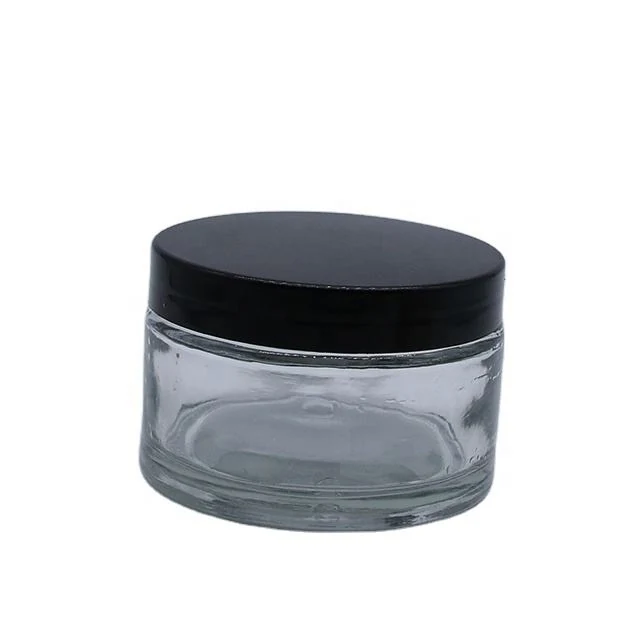
Malta Packaging Solutions operates as a distributor of packaging materials across the island. The company supplies glass bottles, jars, and containers for beverage, food, and cosmetic industries.
Many of its products are imported from European glass manufacturers. The company maintains logistics partnerships that ensure reliable packaging supply.
Its clients include wineries, beverage producers, food processors, and cosmetic brands. These industries rely on the company’s packaging distribution network.
The company focuses on inventory management and logistics efficiency. Quality standards ensure that packaging products meet European safety regulations.
Mediterranean Packaging Group

Mediterranean Packaging Group operates as a regional supplier of packaging materials throughout the Mediterranean region. The company maintains distribution partnerships that include operations in Malta.
Its product portfolio includes glass bottles used for wine, spirits, beer, and specialty beverages. The company also supplies containers for food products and cosmetics.
Industries served include beverage production, food processing, and personal care products. Many businesses rely on its regional distribution network to obtain packaging materials.
| Innovation initiatives focus on lightweight bottle designs and improved transportation efficiency. These improvements help reduce logistics costs while maintaining packaging durability. | Company | Founded | Core Products | Industries | Certifications |
|---|---|---|---|---|---|
| Farsons Group Packaging | 1920s | Beer bottles | Beverage | Food safety certifications | |
| Malta Packaging Solutions | 2000s | Bottles and jars | Food & Beverage | EU packaging standards | |
| Mediterranean Packaging Group | 2000s | Glass containers | Beverage, Cosmetics | Regional quality certifications |
Part 3: Trade Shows and Industry Events
Trade exhibitions play an important role in connecting packaging suppliers with beverage and food manufacturers. These events allow companies to present packaging innovations, production technology, and supply chain solutions. Industry events also help businesses build partnerships with international suppliers.

Malta International Trade Fair
The Malta International Trade Fair is one of the country’s most important business exhibitions. Companies from manufacturing, agriculture, packaging, and consumer goods sectors participate each year.
The exhibition takes place in Malta and attracts visitors from across the Mediterranean region. Packaging suppliers attend the event to showcase their products and explore new partnerships.
The trade fair provides opportunities for beverage producers and packaging distributors to connect with international suppliers.
Drinktec
Drinktec is one of the world’s most important exhibitions for the beverage and liquid food industry. The event takes place in Munich, Germany, and attracts participants from across Europe and beyond.

The exhibition focuses on beverage production technology, packaging innovation, and supply chain management. Glass bottle manufacturers often present new packaging designs and production equipment.
| Thousands of industry professionals attend Drinktec each year. Companies frequently establish international partnerships during the exhibition. | Event | Date | Location | Highlights |
|---|---|---|---|---|
| Malta International Trade Fair | Annual | Malta | Regional industry exhibition | |
| Drinktec | Every 4 years | Munich, Germany | Global beverage technology and packaging |
Part 4: Impact of Global Trade Policies
Global trade policies have a strong influence on Malta’s glass bottle supply chain. Because the country imports many packaging materials, tariffs, trade agreements, and shipping regulations affect the cost and availability of glass containers. Malta’s membership in the European Union plays a major role in shaping its packaging industry.

EU trade policies allow Malta to import glass bottles from other member countries without significant tariffs. This arrangement helps local beverage and food companies access high-quality packaging materials.
However, competition within the European market remains strong. Large glass manufacturers in countries such as Italy, Germany, and Spain operate advanced production facilities with large output capacity.
Supply Chain Considerations
Glass bottle manufacturing depends on several key raw materials. Silica sand, soda ash, and limestone must be available at stable prices to maintain efficient production.
Energy supply is another critical factor because glass furnaces require continuous high-temperature operations.
| Policy Factor | Industry Impact | Manufacturer Response |
|---|---|---|
| EU trade agreements | Easier import access | European supplier partnerships |
| Energy prices | Production cost pressure | Efficiency improvements |
| Market competition | Price competition | Premium packaging solutions |
| Environmental policies | Recycling initiatives | Sustainable packaging programs |
Packaging distributors often maintain relationships with multiple European manufacturers. This approach helps ensure stable supply and competitive pricing.
Sustainability Trends
Environmental sustainability has become an important priority in European packaging industries. Consumers increasingly prefer recyclable and environmentally friendly packaging materials.
Glass packaging offers several advantages in this area. It is fully recyclable and does not release harmful substances into food or beverages.
Manufacturers and distributors are expanding recycling programs to collect and reuse glass bottles. These initiatives support circular economy principles and reduce environmental impact.
Part 5: Conclusion
The glass bottle supply sector in Malta remains relatively small but plays an important role in supporting the country’s beverage, food, and hospitality industries. Strong maritime logistics and European trade connections provide reliable access to packaging materials. As tourism and beverage production continue to grow, demand for glass packaging is expected to remain stable.
At the same time, the industry faces challenges such as limited manufacturing capacity, energy costs, and competition from larger European producers. Companies that focus on efficient supply chains, premium packaging solutions, and sustainable practices will remain competitive. With its strategic Mediterranean location, Malta will continue to play an important role in regional packaging distribution networks.