Skip to content
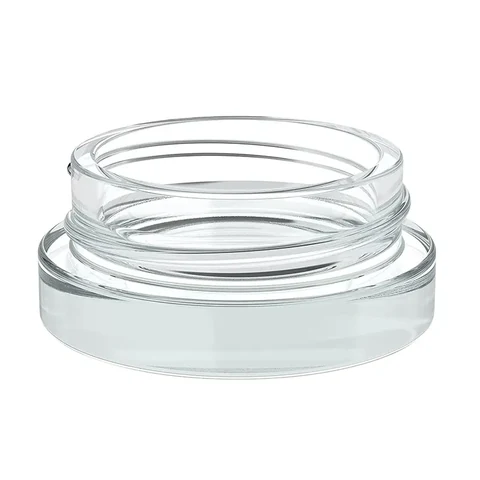
A glass of water looks simple, but its size can create confusion. Many people use different glasses every day, and this changes the real amount of water.
A standard glass of water is often considered about 1 cup, but the exact amount depends on the glass size and the measurement system being used.
Understanding the difference between a glass and a cup helps me avoid mistakes when I follow recipes, plan drinks, or compare product information. The answer is not only about numbers. It is also about habits, regions, and clear standards.
What measurement converts glasses to cups?
A common question from buyers, cooks, and daily users is how many cups a glass of water contains. The simple answer is that one regular glass can be around one cup, but the exact conversion depends on the volume of the glass.
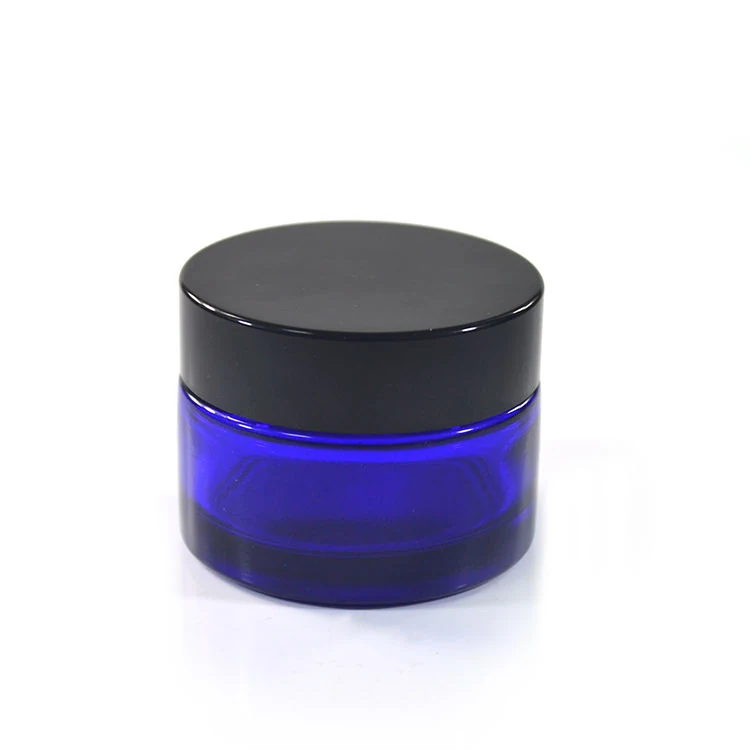
A standard US cup usually equals 8 fluid ounces, which is about 237 milliliters. A typical drinking glass may hold between 200 and 300 milliliters, so one glass may be close to one cup or slightly more.
When I look at measurements, I focus on volume instead of the name of the container. The word "glass" describes an object, but it does not define a fixed size. A small glass at home may hold 150 milliliters, while a large restaurant glass may hold 400 milliliters or more.
Common glass and cup conversions
The following table shows common examples:
| Glass volume | Approximate cups (US measurement) | Common use |
|---|---|---|
| 150 ml | 0.63 cups | Small drinking glass |
| 200 ml | 0.84 cups | Regular home glass |
| 250 ml | 1.06 cups | Standard kitchen glass |
| 300 ml | 1.27 cups | Large water glass |
| 400 ml | 1.69 cups | Large restaurant glass |
The conversion process is simple. I divide the milliliters by about 237 to find the number of US cups. For example, a 250 ml glass contains about 1.06 cups. This means it is almost the same as one cup.
However, people often use the word "cup" differently. In cooking, a cup is usually a measured unit. In daily life, a cup may mean a coffee cup, tea cup, or any small container. This difference can create unexpected results.
Why volume matters more than the container name
A glass does not have a universal size because manufacturers create glasses for different purposes. Some glasses are designed for water, some for juice, and some for decoration. Their shapes and sizes can be completely different.
For businesses that need glass packaging, clear measurement is even more important. A customer ordering glass bottles needs exact capacity information. A 100 ml perfume bottle and a 100 ml beverage bottle may have different shapes, but their internal volume must stay accurate.
I have seen that many measurement problems come from using familiar words instead of exact numbers. When people say "drink two glasses of water," they may imagine different amounts. A person with a small glass and a person with a large glass may both follow the same advice but consume different quantities.
Using milliliters or fluid ounces creates better communication. It removes confusion and makes recipes, health advice, and product descriptions easier to understand.
How does serving glass size vary by region?
Glass size changes around the world because people develop different drinking habits. A glass of water in one country may not contain the same amount as a glass in another country. Regional culture, cooking traditions, and measurement systems all affect the meaning of a glass.
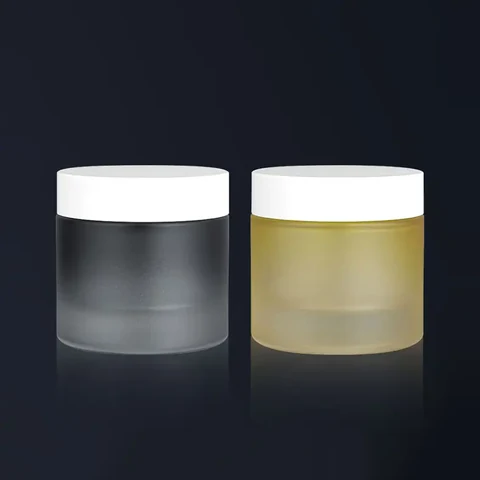
The biggest difference comes from measurement standards. The United States commonly uses cups based on fluid ounces, while many other countries use milliliters. The same word can represent different amounts depending on where the person lives.
Regional examples of common glass sizes
| Region | Common glass size | Approximate amount |
|---|---|---|
| United States | Medium drinking glass | 240–300 ml |
| United Kingdom | Everyday water glass | 200–300 ml |
| Europe | Standard home glass | 200–250 ml |
| Asia | Small to medium glass | 150–250 ml |
| Restaurants worldwide | Large serving glass | 300–500 ml |
These numbers are only common examples. They are not strict rules. Many families and businesses choose different sizes based on their needs.
In my experience, international communication requires extra attention to measurements. When a customer asks for a bottle with a certain capacity, the meaning must be clear. A small difference in volume can affect production planning, packaging design, and shipping calculations.
Cultural habits influence glass sizes
Different regions have different ideas about serving drinks. Some places prefer smaller glasses because people refill them often. Other places use larger glasses because customers expect more convenience.
For example, restaurants may use large glasses because they want customers to feel they receive good value. Hotels may choose specific glass sizes to match their service style. Homes may use smaller glasses because they are easier to handle.
The shape of a glass also affects how people see its size. A tall narrow glass and a short wide glass can contain the same amount of water but look completely different.
This is why visual judgment is not always reliable. A person may think one glass is larger because of its height, even when the actual capacity is the same.
Why global businesses need clear measurements
International trade depends on accurate information. A supplier and buyer may live in different countries and use different measurement habits. Clear product specifications reduce mistakes.
For example, a company buying custom glass bottles needs to know:
- Exact capacity in milliliters
- Bottle height and diameter
- Weight of the glass
- Neck size and closure type
- Production tolerance
A simple word like "glass" is not enough for professional communication. Numbers create a common language.
Why is a glass not always equal to one cup?
Many people assume one glass equals one cup because the sizes are often similar. However, this idea is not always correct. A glass is a physical container, while a cup is a measurement unit. They serve different purposes.
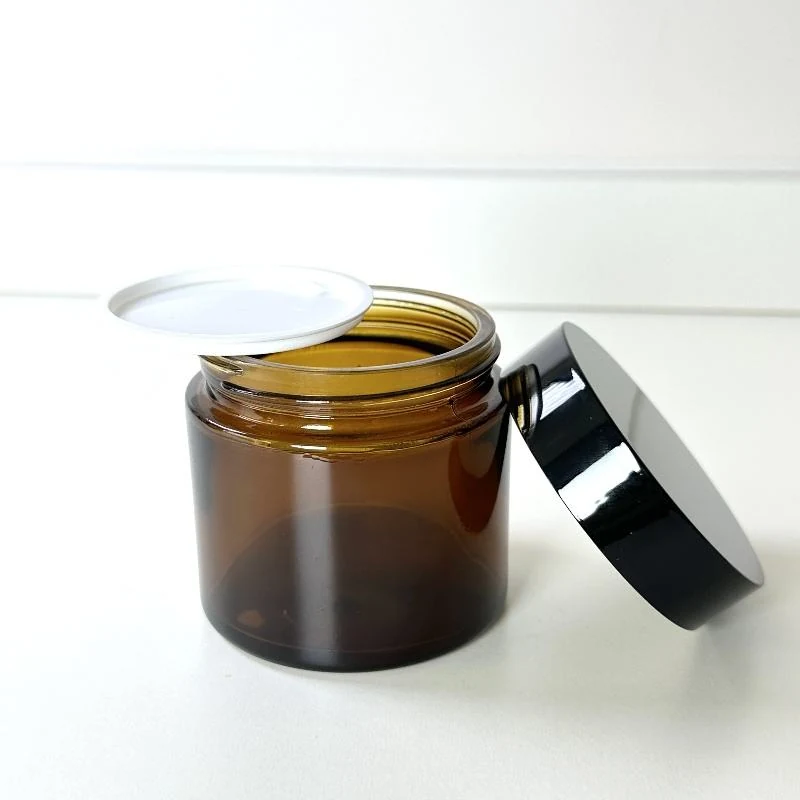
A cup has a defined volume in many measurement systems. A glass does not. The difference may seem small when drinking water, but it becomes important in cooking, nutrition, and product design.
A glass depends on design
Manufacturers create glasses with different purposes. Some glasses are made for quick drinks. Some are made for formal dining. Some are designed to look elegant rather than hold a specific amount.
The table below shows how design changes capacity:
| Glass type | Typical capacity | Why the size changes |
|---|---|---|
| Small tumbler | 150–200 ml | Easy daily use |
| Standard water glass | 200–300 ml | General drinking |
| Large beverage glass | 350–500 ml | Restaurants and cafes |
| Decorative glass | Depends on design | Focus on appearance |
A person using a large glass may drink almost two cups of water without realizing it. Another person using a small glass may drink less than one cup.
Measurement systems create more confusion
Another challenge comes from different cup definitions. A US cup, a metric cup, and other regional cup measurements may not always match exactly.
For daily drinking, this difference may not matter. For recipes and manufacturing, it matters more.
When I prepare product information, I know that clear units help customers make better decisions. Saying "one glass" is not enough. Saying "250 ml capacity" gives a clear expectation.
Why exact measurements improve decisions
Accurate measurements help people avoid problems. A recipe may fail because the liquid amount is incorrect. A product package may disappoint customers if the capacity is unclear. A business may lose time because different teams understand measurements differently.
This is especially important for custom packaging. A perfume brand may need a bottle that looks large but holds a specific amount of fragrance. The external appearance and internal capacity must both meet expectations.
The same idea applies to water glasses. A glass can look large but hold less than expected. A small-looking glass can sometimes hold more because of its shape.
The safest approach is simple: use exact volume measurements when accuracy matters. Use the word "glass" only for casual conversation.
When should you standardize glass measurements?
Standardizing glass measurements becomes important when people need consistent results. Casual drinking does not always require exact numbers, but many situations need a clear standard.
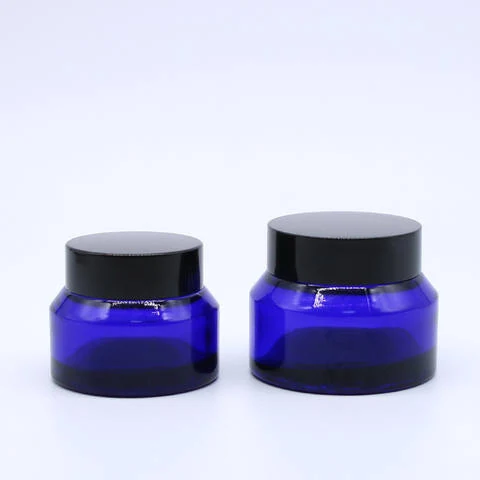
I believe standard measurements create better communication between people, especially when products, recipes, or international business are involved. A clear measurement system reduces confusion and saves time.
Situations where standardization is useful
| Situation | Why standard measurement matters |
|---|---|
| Cooking recipes | Keeps ingredients consistent |
| Beverage production | Ensures correct filling volume |
| Restaurant service | Creates the same customer experience |
| Product packaging | Provides accurate information |
| International trade | Avoids misunderstanding |
For example, a beverage company cannot fill bottles based on the idea of a "normal glass." The company needs exact volume data because production lines, labels, and shipping plans depend on accuracy.
Standard measurements support better business communication
In global markets, buyers and suppliers often work across different languages and cultures. A clear specification helps both sides understand the product.
A buyer may request a glass bottle with a certain capacity. The supplier needs to know whether the request means 200 ml, 250 ml, or another amount. Small differences can affect the final product.
Standard measurements also help with customization. When designing special bottles, teams need exact information about:
- Capacity
- Shape
- Size
- Weight
- Material thickness
- Production limits
These details help create products that match expectations.
Building trust through accurate information
Customers value transparency. When measurements are clear, customers feel more confident. They know what they will receive before making a purchase.
This idea applies to both household products and industrial products. A person buying a drinking glass wants to know if it holds enough water. A business buying glass packaging wants to know if the bottle matches its brand requirements.
Standardization does not remove creativity. A company can still create unique designs while keeping accurate measurements. Good design and good measurement can work together.
When I discuss glass products, I focus on helping customers understand both appearance and function. A beautiful glass bottle needs accurate capacity information to become a reliable product.
Conclusion
A glass of water is not always equal to one cup because glass sizes change by design, region, and purpose. Using exact measurements helps people communicate clearly and avoid mistakes.