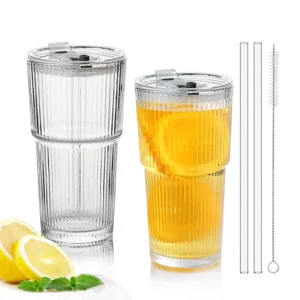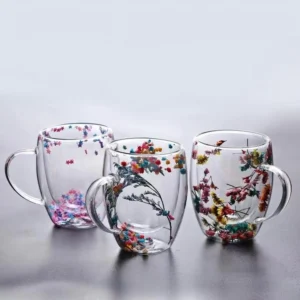
Many people heat drinks in glass cups every day, but not every glass cup can handle microwave energy. A wrong choice can cause cracks, spills, or sudden glass breakage.
Most microwave-safe glass cups can be used in microwaves because they are designed to handle heat changes. However, regular glass cups may break when exposed to fast temperature changes or high heat.
Glass looks simple, but different glass products have different structures. Some cups are made for cold drinks, some are made for hot beverages, and some are designed for repeated heating. Understanding these differences helps users avoid damage and choose the right glassware.
The safety of a glass cup depends on the glass material, production method, thickness, and design. A high-quality glass cup usually has better heat resistance because the manufacturing process controls temperature changes carefully.
What types of glass cups can go in microwaves?
Not all glass cups have the same heat performance. Some glass types can handle microwave heating, while others may crack because they cannot manage sudden temperature changes.
Microwave-safe glass cups are usually made from heat-resistant glass, such as borosilicate glass or specially treated soda-lime glass. These materials can handle higher temperatures and reduce the risk of breaking.
When I look at glass products, I always consider the purpose of the product first. A glass cup used for hot coffee needs different qualities from a decorative glass item. The same idea applies to glass bottles and other glass containers.
Common glass types and microwave performance
Different glass materials have different features.
| Glass type | Microwave suitability | Main features |
|---|---|---|
| Borosilicate glass | Usually suitable | High heat resistance and strong temperature control |
| Tempered glass | Often suitable | Better strength and thermal performance |
| Soda-lime glass | Depends on quality | Common but less resistant to sudden temperature changes |
| Decorative glass | Usually not recommended | May contain coatings or extra materials |
Borosilicate glass is popular for products that need strong heat resistance. It expands less when heated, so it has a lower chance of cracking.
Tempered glass is also used in many household products because it has improved strength compared with normal glass.
How glass cup design affects microwave safety
The shape of a glass cup also matters.
A good microwave-safe design usually has:
- Even glass thickness
- Smooth edges
- No hidden cracks
- Stable shape
- No metal decoration
A thick glass cup is not always safer. If the thickness is uneven, different parts of the cup may heat at different speeds. This can create stress inside the glass.
The handle design also matters. A weak connection between the cup body and handle may become a problem after repeated heating.
Why quality production matters
Glass production affects final performance. A reliable glass manufacturer controls temperature, cooling speed, and material quality during production.
For example, glass bottles and cups need proper annealing after forming. This process helps remove internal stress from the glass. Without good stress control, even strong-looking glass may break more easily.
This is why professional buyers often check production ability, quality standards, and customization options before choosing glass suppliers.
A microwave-safe glass cup is not only about the material. It is also about careful manufacturing.
Why do some glass cups crack in microwaves?
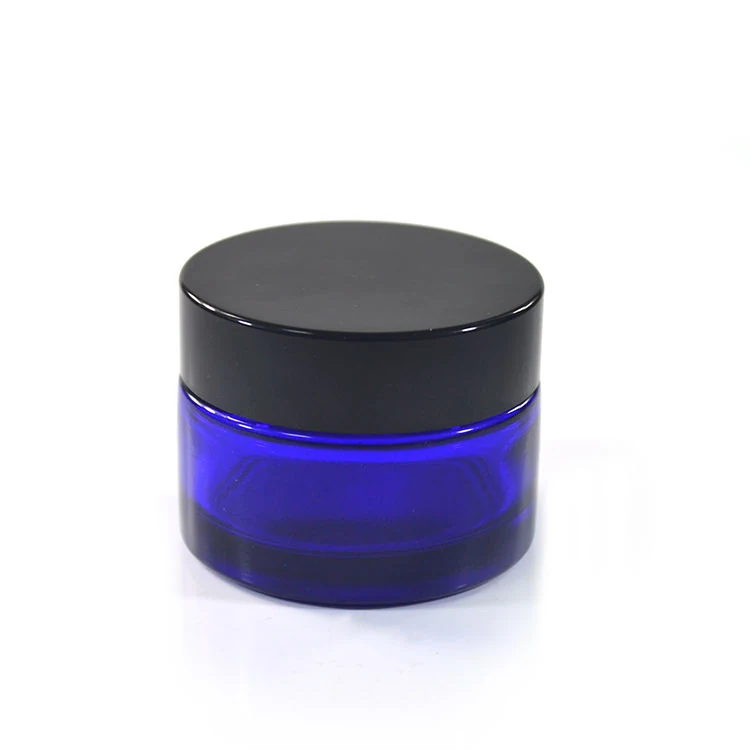
A glass cup can crack in a microwave because different areas of the glass may heat at different speeds. This creates stress that the glass cannot handle.
Some glass cups crack in microwaves because they are not designed for high heat, have hidden damage, or experience sudden temperature changes during heating.
Many people think that glass is naturally heat resistant. However, normal glass and heat-resistant glass are different. The material structure decides how the cup reacts to heat.
Common reasons glass cups break in microwaves
Several factors can cause damage.
| Cause | Explanation |
|---|---|
| Cold glass meets high heat | Fast temperature change creates stress |
| Existing cracks | Small damage becomes larger during heating |
| Uneven heating | Different areas expand at different speeds |
| Metal decoration | Metal parts can create microwave problems |
| Poor-quality glass | Weak material cannot handle heat |
A glass cup taken directly from a refrigerator may have a higher risk of breaking. The outside and inside temperatures can change quickly when the microwave starts heating.
Thermal shock is the main problem
Thermal shock happens when one part of the glass becomes hot while another part stays cold.
For example:
- Hot liquid heats the inside of the cup.
- The outside surface remains cooler.
- The glass expands unevenly.
- Internal stress increases.
If the stress becomes stronger than the glass structure, the cup may crack.
Small damage can become a big problem
A glass cup may look normal but still have small weaknesses.
Common hidden problems include:
- Tiny surface cracks
- Scratches from cleaning
- Previous heating damage
- Impact marks
These small issues reduce the strength of the glass.
I have seen similar situations in glass packaging. A bottle may look perfect but fail during transportation because of hidden stress. This is why professional glass production includes strict inspection before products reach customers.
How to reduce microwave damage risks
People can follow simple habits:
- Avoid sudden temperature changes.
- Do not heat an empty glass cup.
- Check the cup before use.
- Use medium heating settings when possible.
- Follow manufacturer instructions.
These steps cannot make unsafe glass safe, but they can reduce unnecessary risks.
Which symbols indicate microwave safe glassware?
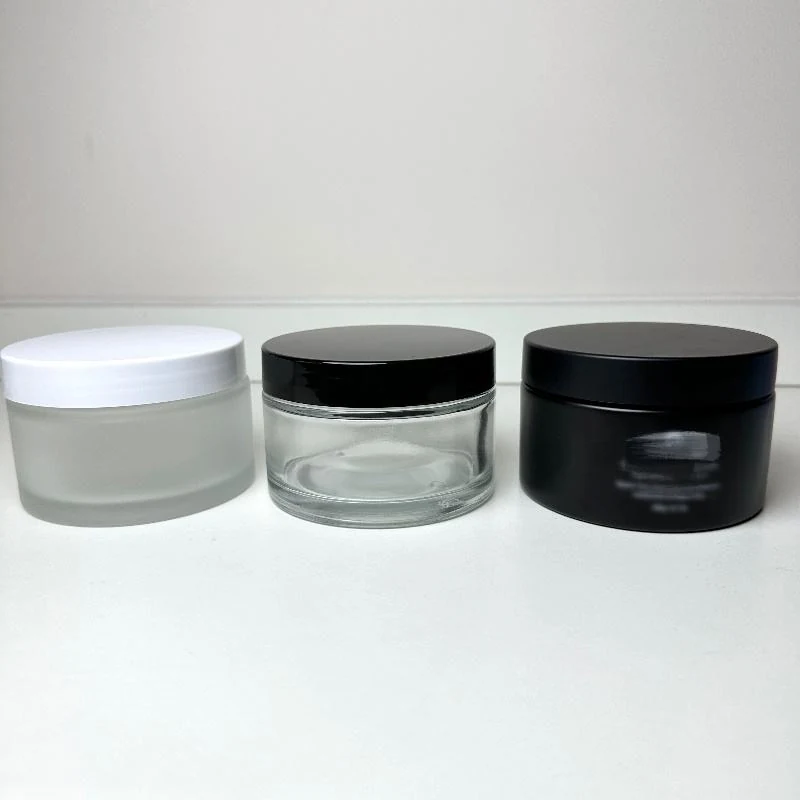
Many glass cups have labels or symbols that show whether they are suitable for microwave use. These marks help users make safer decisions.
The microwave-safe symbol usually shows a microwave oven icon or waves. However, not every glass product uses the same marking system, so users should also check product instructions.
Symbols provide useful information, but they are not the only factor. The product material and design also affect safety.
Common microwave-safe signs
| Symbol or label | Meaning |
|---|---|
| Microwave icon | Designed for microwave use |
| Wavy lines symbol | Indicates microwave compatibility |
| Heat-resistant label | Shows better heat performance |
| Manufacturer instructions | Provides specific usage guidance |
Some products may have printed information on the bottom of the cup. Others may include instructions on packaging.
Why labels are important
A label gives users basic information about product testing and intended use.
Without a clear label, people may not know:
- Maximum heating temperature
- Recommended heating time
- Whether the cup can handle repeated heating
- Whether special coatings exist
For businesses buying glass products, clear product information is also important. Buyers need accurate specifications before selling products to customers.
What if there is no microwave symbol?
A missing symbol does not always mean the cup is unsafe. Some manufacturers may provide information in product documents instead.
However, if there is no information at all, caution is the better choice.
A person should avoid testing unknown glassware with high heat. A simple microwave test can damage the cup or create a safety risk.
Checking other product details
Besides symbols, users can check:
- Material information
- Brand instructions
- Product packaging
- Manufacturer details
High-quality suppliers usually provide clear information because transparency builds customer trust.
In the glass industry, clear communication is important. Buyers want to know product features before making decisions. This is especially true for custom glass products where design, material, and performance must match customer needs.
When should you avoid microwaving glass cups?
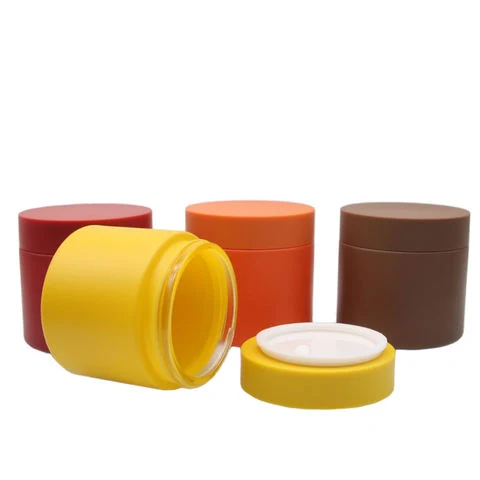
Some glass cups should never go into a microwave because the risk of damage is too high. Knowing these situations can prevent accidents.
You should avoid microwaving glass cups that have cracks, metal decoration, unknown materials, or signs of damage. These cups may not handle microwave heat safely.
Many microwave accidents happen because people assume all glass products work the same way. However, glass quality and design can be very different.
Situations where microwaving is not recommended
A person should avoid using a microwave when:
- The cup has visible cracks.
- The cup has gold or silver decoration.
- The cup is handmade without heat information.
- The cup is very thin.
- The cup was designed only for cold drinks.
- The cup has plastic or mixed materials.
Metal decorations are especially important. Even a small amount of metal can create problems inside a microwave.
Signs that a glass cup needs replacement
| Problem | Recommended action |
|---|---|
| Deep crack | Replace immediately |
| Broken edge | Replace immediately |
| Repeated heating damage | Replace |
| Small surface scratch | Check carefully |
| No safety information | Avoid microwave use |
A damaged cup is not worth the risk. Glass replacement is usually cheaper than dealing with injuries or damage.
Choosing better glass cups for daily use
People who use microwaves often should choose products designed for heat.
Good choices usually include:
- Heat-resistant glass
- Clear microwave instructions
- Strong production quality
- Suitable thickness
- Simple design without metal parts
The same principle applies to commercial glass products. Beverage companies, perfume brands, and packaging buyers need products that match their usage conditions.
A strong glass product starts with good materials and careful production. This reduces problems during transportation, storage, and daily use.
I believe choosing the right glass product at the beginning is always better than solving problems later. Good design, proper material selection, and clear information help users enjoy glass products safely.
Conclusion
Glass cups can be microwave safe when they are made from suitable materials and clearly marked for heating. Always check the glass type, symbols, and condition before using a microwave.